Okay, so I’m going to embark on a journey through territory that is quite new to this blog… reviewing gear.
I’ve been asked by a few folks to give my thoughts on new and old equipment I’m currently working with, so what better opportunity than the recent purchase of a new lens?
I was giddy as a schoolgirl when UPS knocked on my door last week. It has been a while since I’ve needed to order a new lens. And I really toiled over this purchse. Nowadays more than ever before, I wanted to make sure I was really getting the most “bang for my buck”. I did my research, and I pulled the trigger. And so the moment of truth; a knock on the door and a shiny new black, white, and red Canon box.

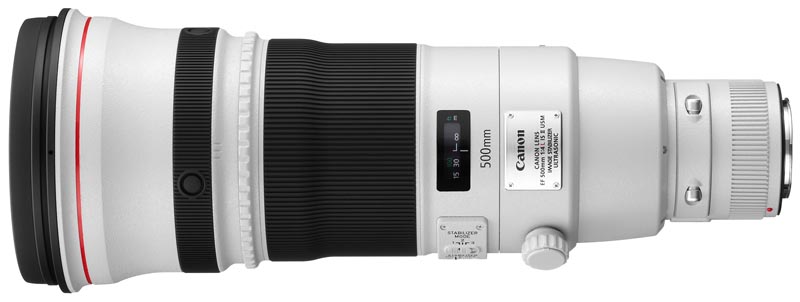
Photo courtesy Canon
The toil I went through was over whether I should purchase the Canon 16-35mm f/2.8L (US $1699) or the 17-40mm f/4L (US $839). Both are “L series”, Canon’s best glass, and as a professional I generally don’t buy anything less. As the saying goes, “you’re only as good as the glass you use.”
So I really had a decision to make.
For me, this lens will fill a big gap in my repertoire of focal lengths. And as more and more of my business is landscape/ cityscape/ architecture, I am in desperate need of a quality super-wide zoom.
Now, just by the nature of super-wides (and zooms for that matter), some sharpness is sacrificed on the edges for the sake of versatility. If you need tack-sharp, you need a standard prime. Wide focal lengths will also cause some distortion on the edges… nothing that can’t be easily corrected in post. Already knowing these drawbacks, I began to research.
Aside from the obvious difference in focal length, the 16-35 is a full stop faster. But do I need that full stop? I decided no for the majority of its use. I would primarily use it as a landscape lens… so shooting outdoors, it’s nearly inconceivable I would need (or want) f/2.8. And the second most useful application for me is interior architecture. But again, I typically light the spaces and rarely shoot wider than f/8. Okay, so is there a sharpness difference between the two? Well, without having both lenses in front of me to do my own tests, I had to rely on the careful data of others. I found a fantastic technical analysis of this very comparison on Luminous Landscape.
The information provided by the good people over there really helped me solidify my choice to go with the 17-40. With no major differences in sharpness, the fact that the filter ring is the popular 77mm (and I have three other 77mm L series lenses, so I was relieved to know that I wouldn’t have to buy all new filters for the newer 82mm on the 16-35), and not to mention the fact that the 17 is half the cost of the 16, I felt good about the choice I made.
Now the moment of truth… would I find a new, helpful tool in the 17, or would I be disappointed with its results?
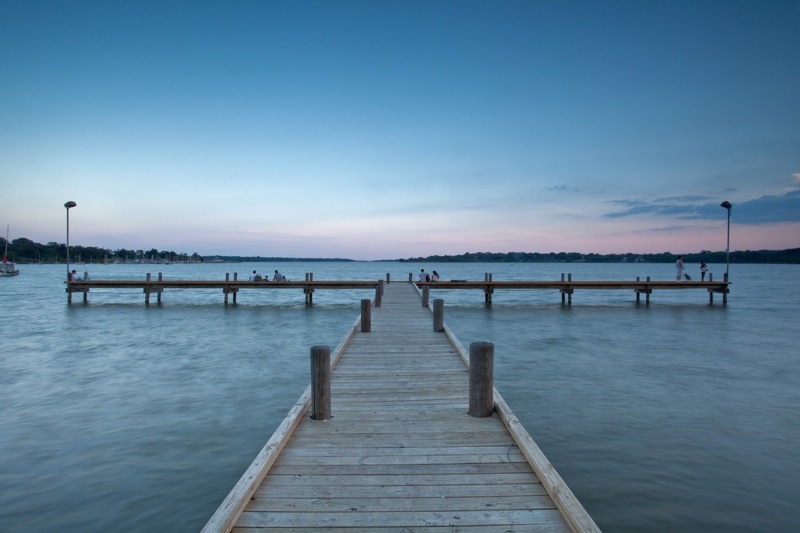
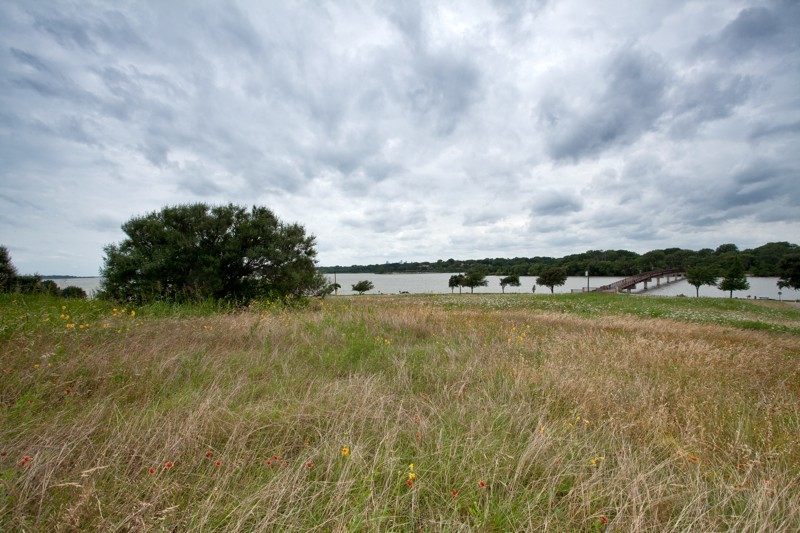
Well, here’s the very first project I shot with it here in Dallas at White Rock Lake. And I was VERY happy with the versatility and clarity from my new Canon 17-40mm…
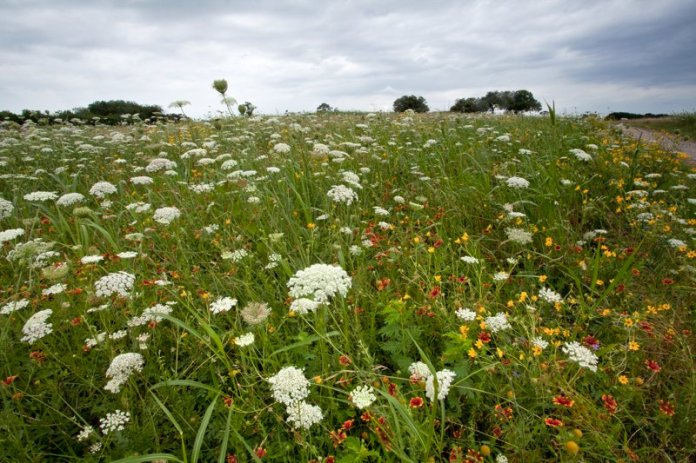
White Rock Lake Wildflowers, Canon 17-40mm f/4L, Canon 5D MKII, 1/60 sec. @ f/22, ISO 400, Singh-Ray 4×6″ Galen Rowell 2 stop Soft-Step Neutral Density filter with Cokin Z-Pro filter holder
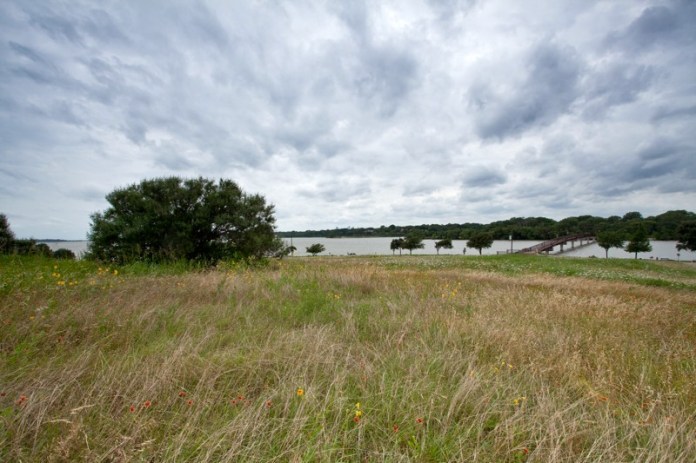
White Rock Lake Landscape, Canon 17-40mm f/4L, Canon 5D MKII, 1/400 sec. @ f/10, ISO 400, Singh-Ray 4×6″ Galen Rowell 2 stop Soft-Step Neutral Density filter with Cokin Z-Pro filter holder
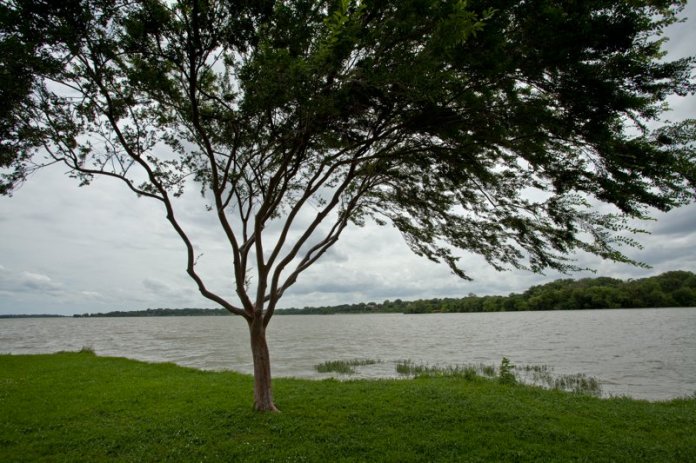
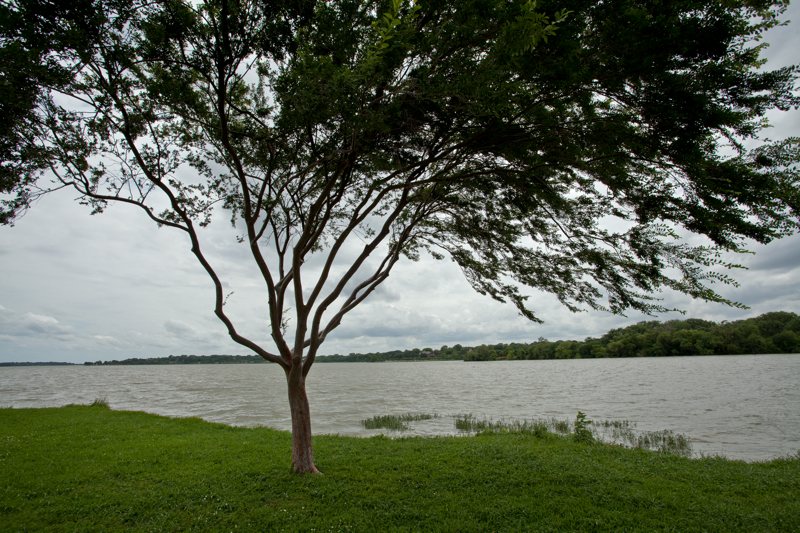
White Rock Lake Lone Tree, Canon 17-40mm f/4L, Canon 5D MKII, 1/640 sec. @ f/10, ISO 400

White Rock Lake, Canon 17-40mm f/4L, Canon 5D MKII, 1.6 sec. @ f/22, ISO 50, Circular Polarizer with Singh-Ray 4×6″ Galen Rowell 3 stop Soft-Step Neutral Density filter handheld
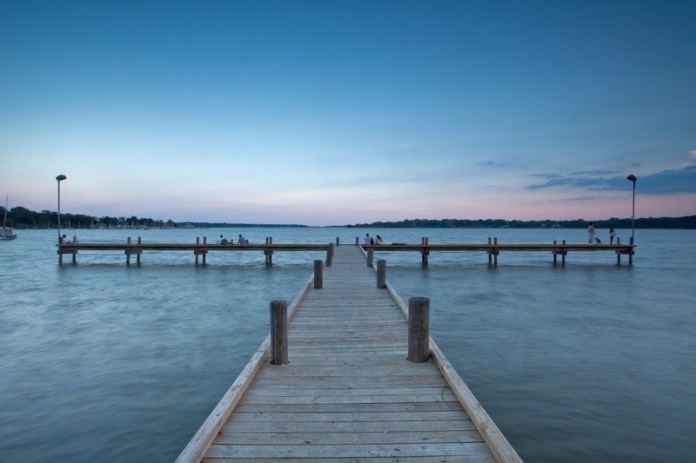
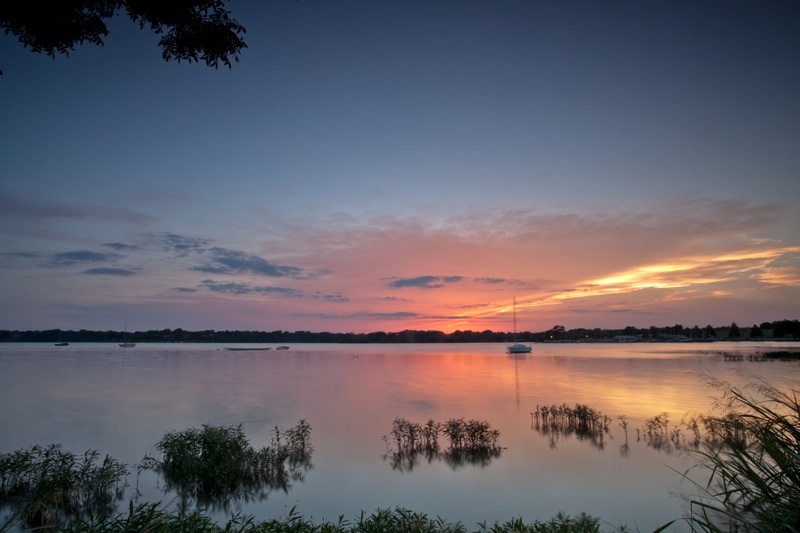
White Rock Lake Dusk, Canon 17-40mm f/4L, Canon 5D MKII, 1.6 sec. @ f/22, ISO 50, Singh-Ray 4×6″ Galen Rowell 2 & 3 stop Soft-Step Neutral Density filters with Cokin Z-Pro filter holder

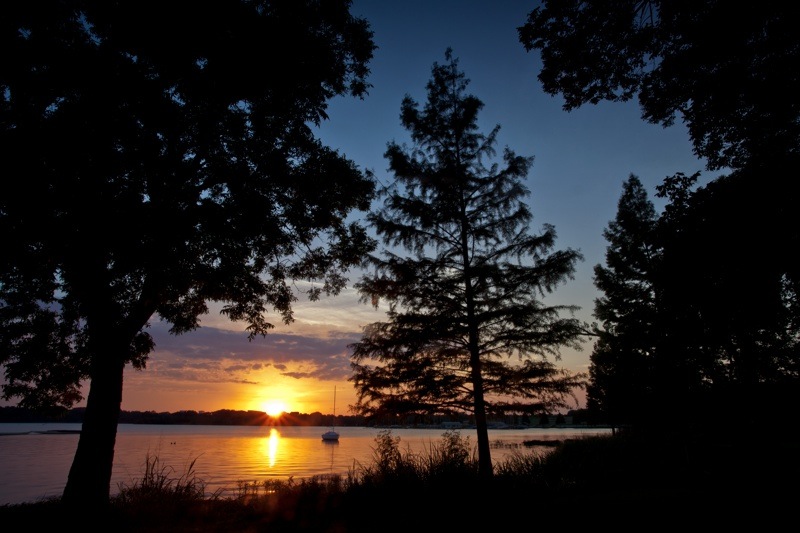
White Rock Lake Sunset, Canon 17-40mm f/4L, Canon 5D MKII, 0.3 sec. @ f/22, ISO 50, Singh-Ray 4×6″ Galen Rowell 2 stop Soft-Step Neutral Density filter with Cokin Z-Pro filter holder
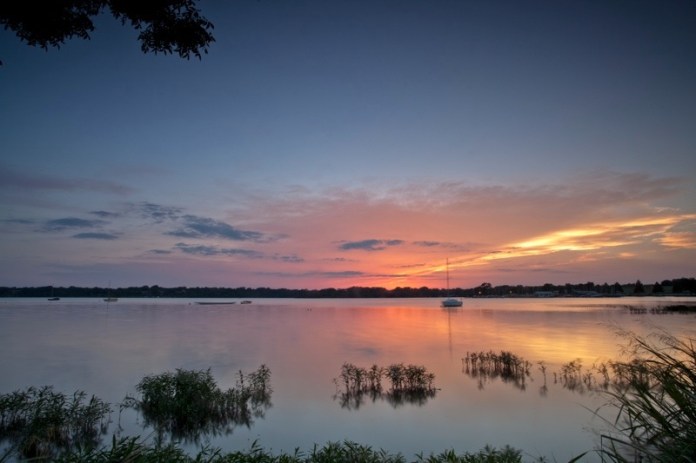
White Rock Lake at Dusk, Canon 17-40mm f/4L, Canon 5D MKII, 3.2 sec. @ f/22, ISO 50, Circular Polarizer with Singh-Ray 4×6″ Galen Rowell 2 stop Soft-Step Neutral Density filter handheld
White Rock Lake Sunset Time Lapse, Canon 17-40mm f/4L, Canon 5D MKII, 0.3 sec. @ f/22, ISO 50, Singh-Ray 4×6″ Galen Rowell 2 stop Soft-Step Neutral Density filter with Cokin Z-Pro filter holder
White Rock Lake Time Lapse, Canon 17-40mm f/4L, Canon 5D MKII, 1/25 sec. @ f/22, ISO 50, Singh-Ray 4×6″ Galen Rowell 2 stop Soft-Step Neutral Density filter with Cokin Z-Pro filter holder
Note: If using the Cokin Z-Pro filter holder, you can expect the edges of the filter to creep into your shot at focal lengths below 20mm. It’s kind of frustrating. But it’s not the lens’s fault…
Overall, the Canon 17-40mm f/4L is fantastic. Like I said, it’s versatile, sharp, fast (enough), light weight, and durable. I can already see it being an incredibly useful lens in my arsenal.
Please stay tuned… I’ll be reviewing more equipment soon! And please feel free to share your comments/ questions below!
all content © andrew r. slaton | photographer 2013






 andrew slaton | blog