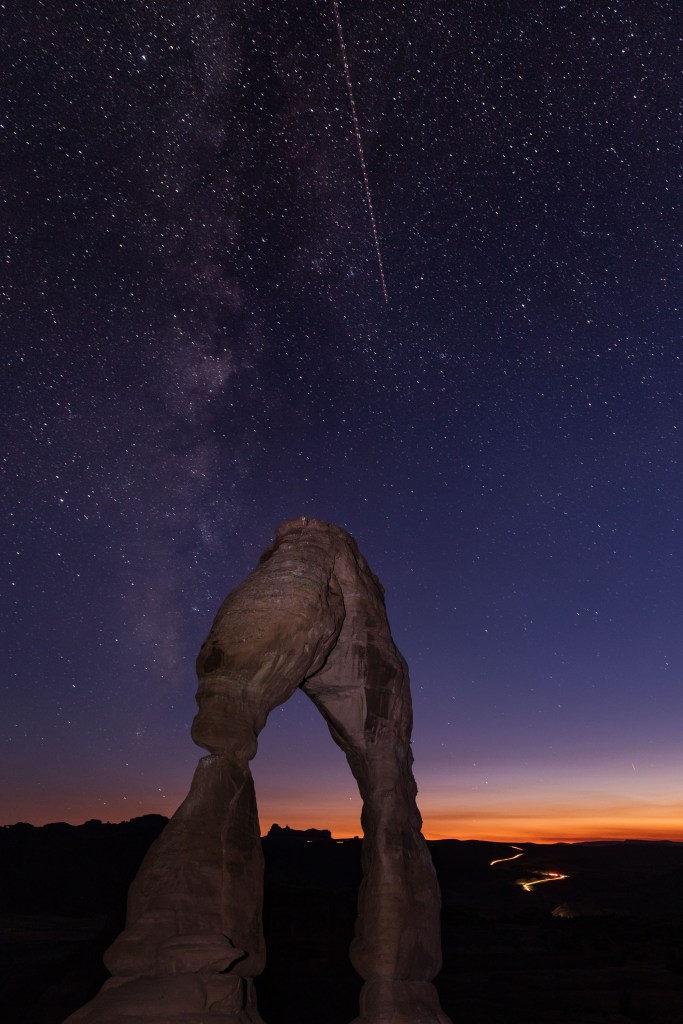
travel, workshop

PARK PEEK // OLYMPIC

We had the pleasure of visiting several new National Parks over the last several years that I never got around to sharing in the ol’ blogosphere. Shame on me! And one in particular stood out to me as one of the most photogenic and interesting; Olympic National Park in Washington.

Here’s a quick peek at what I found, and why I’ll be planning our return as soon as possible.

Only a few hours from the Seattle area, the first thing you’ll notice when you visit or research Olympic is how large it really is. It has no road that intersects, so in order to see its several distinct ecosystems, you’ll do a decent bit of driving around the entire Olympic Peninsula.
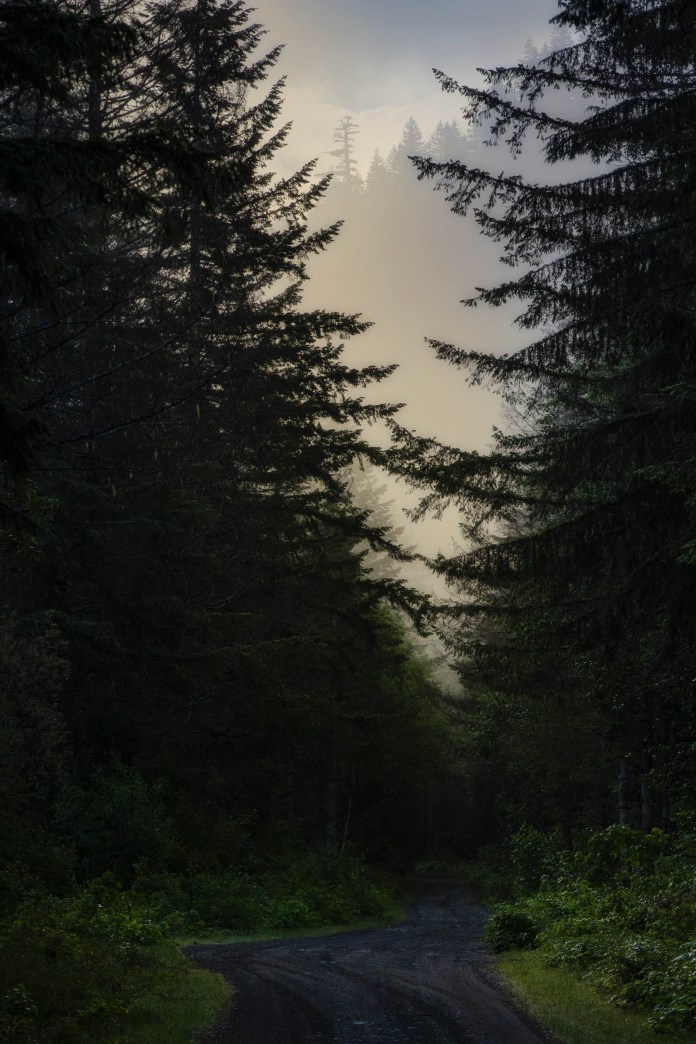
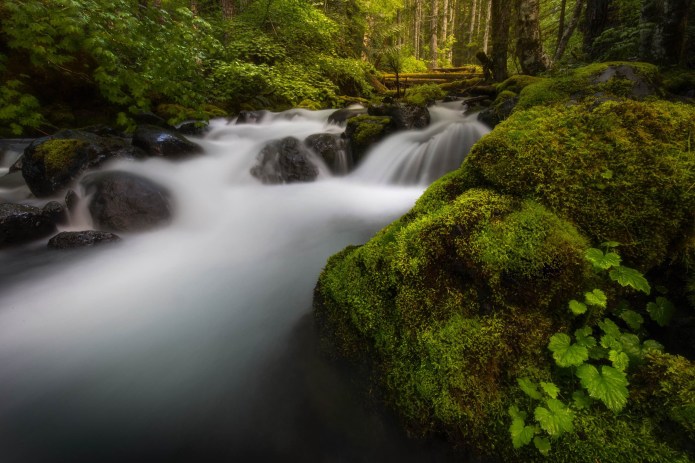
It encompasses nearly a million acres. Within that, you have mountains, rainforests, and dramatic coastlines.

We happened to be there just in time for the Rhododendron bloom, which is pretty spectacular.

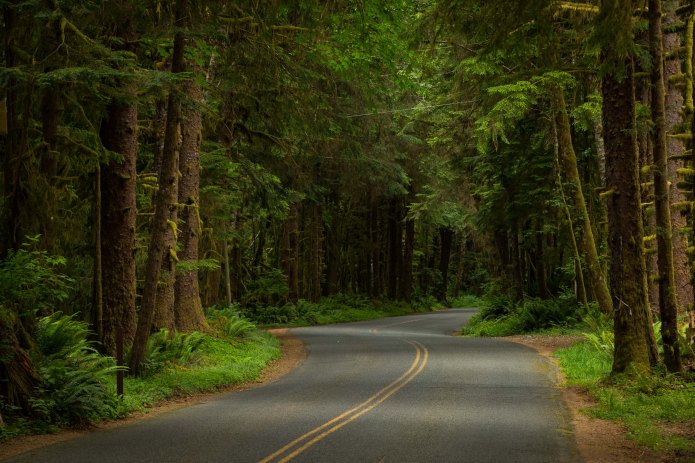
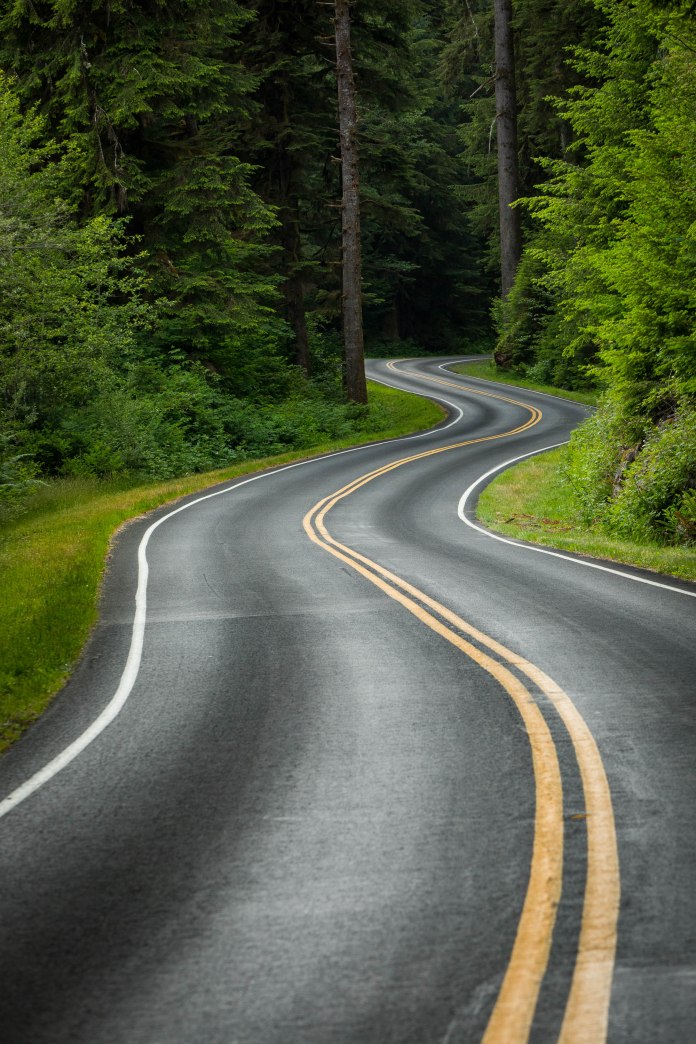
One of my favorite things, dirt roads, are abundant around the park. Lots of places “off-the-beaten-path” to explore. And much of the Park runs adjacent to Olympic National Forest, so there are tons of recreation opportunities, including camping.
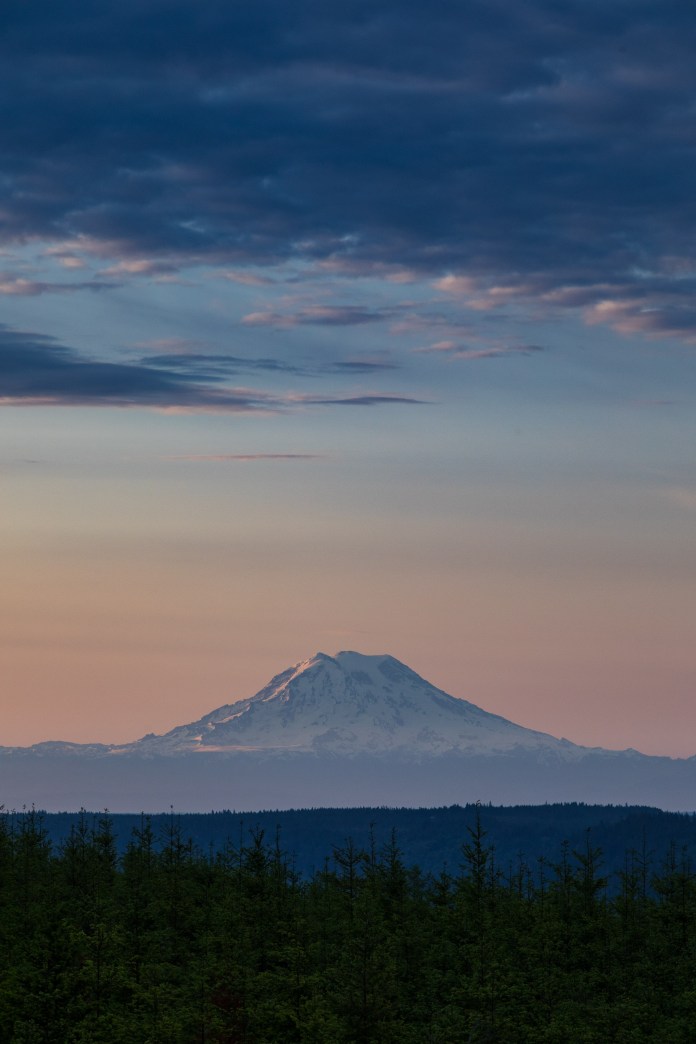
And every so often, if the conditions are favorable, you’ll get smacked in the face with a view of Mount Rainier, over 100 miles away.

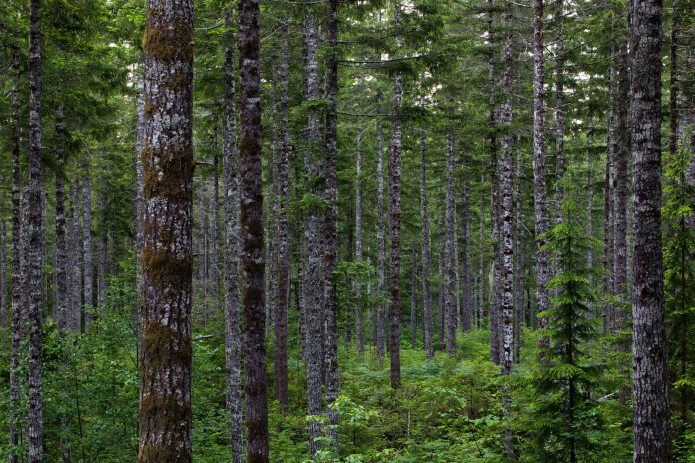
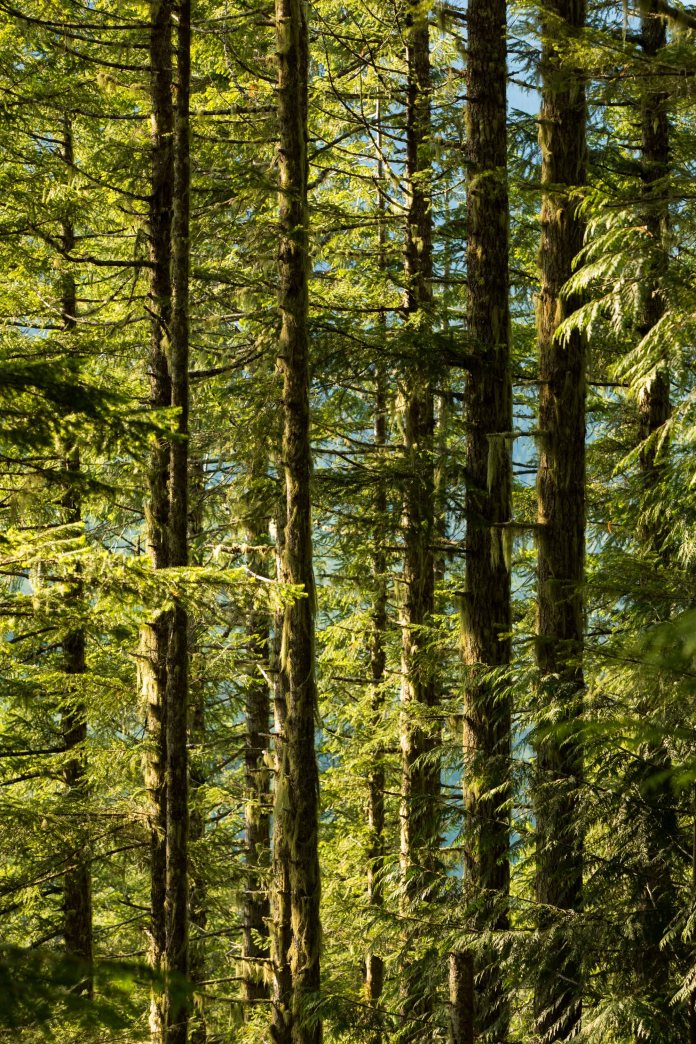
The old-growth forests are spectacular and transport the visitor to another time. One can imagine the terrible and beautiful creatures that must have roamed this lush area.

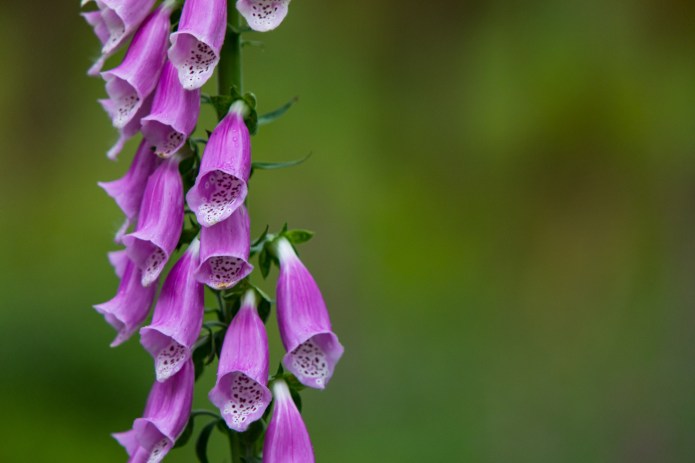
The flora is the most impressive visual at this park, even though it does contain a surprising amount of animal inhabitants. Surprising only because of the dense populations of people surrounding this vast wilderness. But truly, the plant life reigns supreme here.
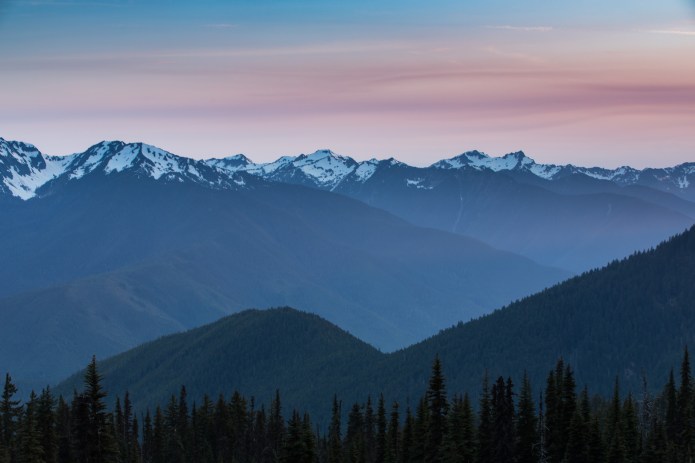
And then, there are the Olympics. Majestic and rugged mountains. Not particularly high, the tallest in the range is Mount Olympus, clocking in at just shy of 8,000 feet. However, the eastern slope of the range rises up from sea level at Puget Sound, so the mountains are still quite steep and impressive looking.
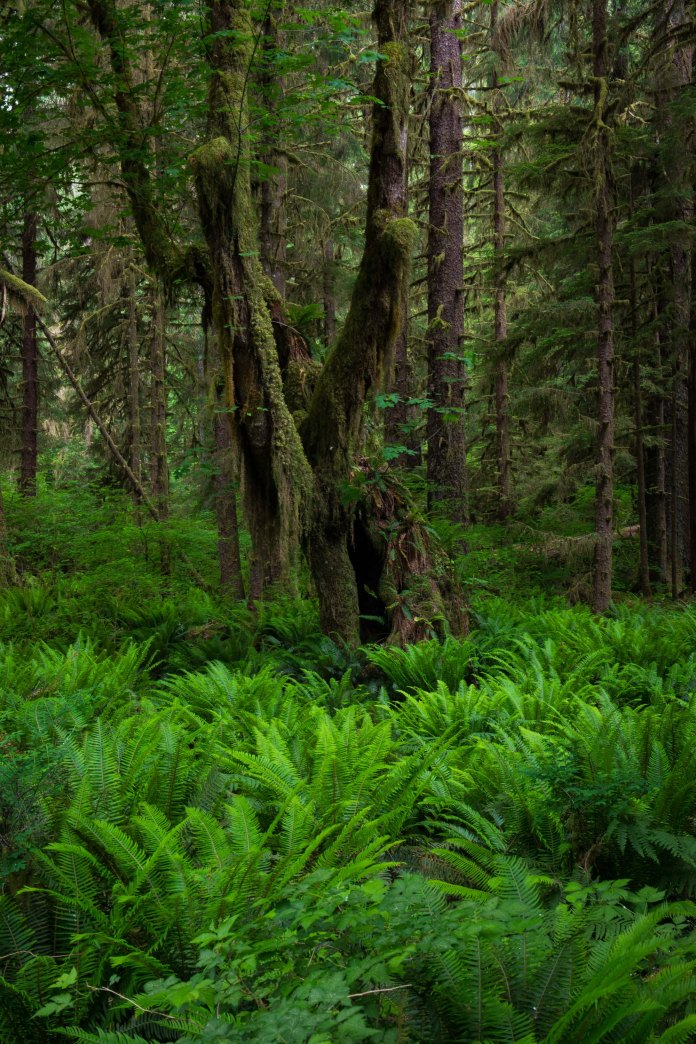
On the western slope, the Hoh Rainforest dominates. It is the wettest place in the lower 48, in fact. And because of this, it is the United State’s best glimpse into the temperate rainforest ecosystem.
Unfortunately, I only had a moment during the middle of the last day on the coastline for this trip, so more to come on our next visit. I didn’t get to explore that section as much as I’d like, nor did I come away with any jaw-dropping images, however, it was clear that this section would be just as fruitful and inspiring photographically and from a sight seeing perspective, as the other areas of the park.

The big takeaway for me was that this park demands time. A lot of it, if you really want to get a feel for the incredibly varied looks it will give you. It was my favorite of Washington State, and that’s saying a lot if you’ve ever been to Mount Rainier or North Cascades, both spectacular parks in their own right. Olympic National Park is a truly special place.

— Andrew
 

SPECIAL OFFER for my blog followers – 10% off everything by using code “BLOG10” at checkout
VIDEO TUTORIALS
Check out my free and paid video tutorials and learn from a 20+ year professional.
NEW WORKSHOPS

Learn photography and enjoy a guided travel adventure.
INTO THE WINDS // BACKPACKING + PHOTOGRAPHY ADVENTURE
BIG CYPRESS // OFF-THE-BEATEN PATH // LANDSCAPES + WILDLIFE
TELLURIDE // FALL COLOR // LUXE LANDSCAPES
GIFT CARDS
Give the gift of beauty, travel, and knowledge… buy a gift card. Help a small business.
The Photographic Guide to Our National Parks” series of eBooks:
Rocky Mountain National Park
Grand Teton National Park
PRINTS
Andrew Slaton // Limited Edition Prints
Andrew Slaton // Canvas + Metal Prints
STOCK
Tandem Stills + Motion // Andrew Slaton
ASSIGNMENTS
andrew@andrewslatonphoto.com
Thanks for visiting AndrewSlatonBlog.com
All images and content © ARS Media, LLC 2020
Standard
art, photography, travel

WINTER, AZ

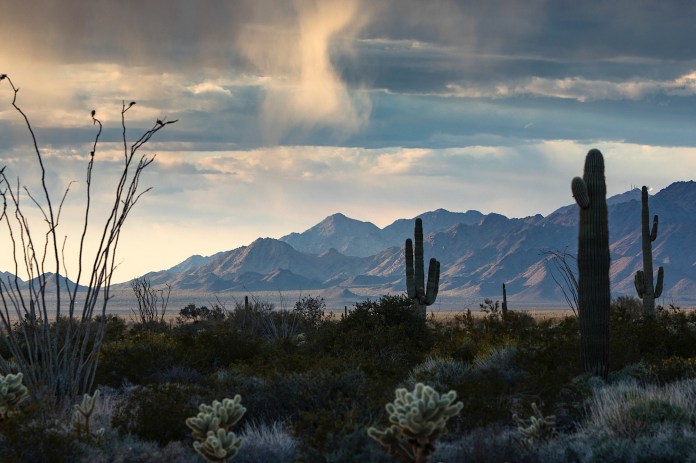
When you live on the road in the U.S., there are just a few main regions that are suitable for winter living. Florida, South Texas, the Southwest (Arizona & Southern California), and Baja Mexico. We explored Florida our first two winters, mainly because we love the gulf beaches and I love the Everglades, but in 2019, we decided to explore more of the Southwest.

Obviously, the mild temperatures are the main reason Arizona is so popular in the winter. But all the federal public land (mostly BLM and National Forest) is really just as big a draw for many of us.

See, in Florida, the uninitiated/ unaware may spend $500-1000 per month on places to stay. In Arizona, we only spent $100 on “rent” the entire six weeks or so we spent there, thanks to boondocking on BLM land. Granted, off-the-grid living requires a few key pieces of equipment that we personally didn’t have yet our first two years on the road. But in 2019, we finally had a generator and solar panels, enabling us to “unplug” with ease.

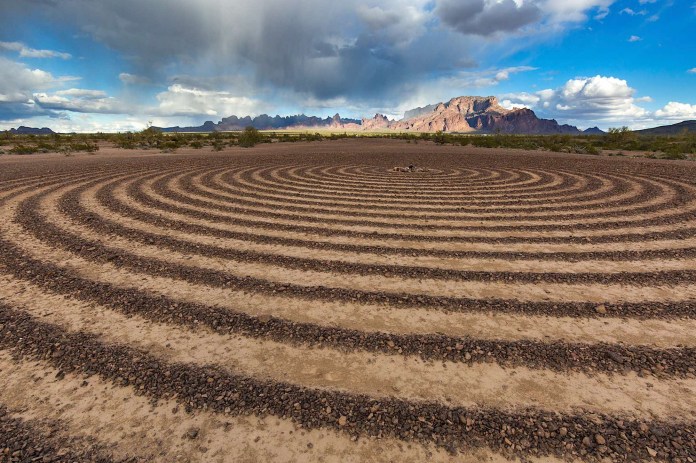
Living off-the-grid in Arizona really suited us. Vast, open land.

A lot of people, sure, but so many great places to camp that we felt like we had several spots completely to ourselves. The nearest “neighbors” being a quarter of a mile or more away. Some camp areas we saw had hundreds of RV’s packed in like sardines. Basically giant, dirt parking lots. When we saw those we simply kept driving.

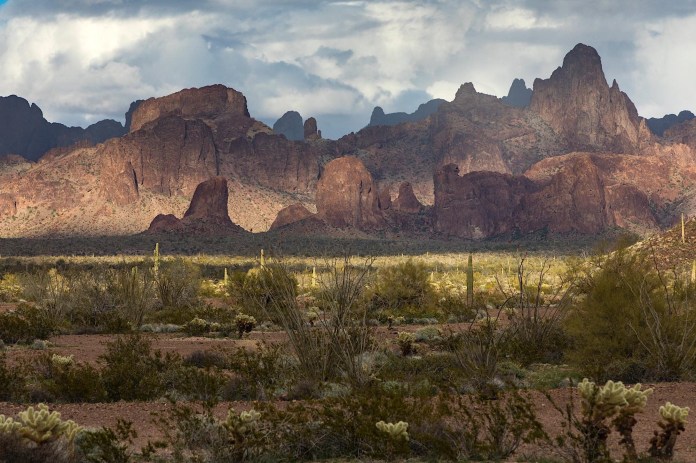
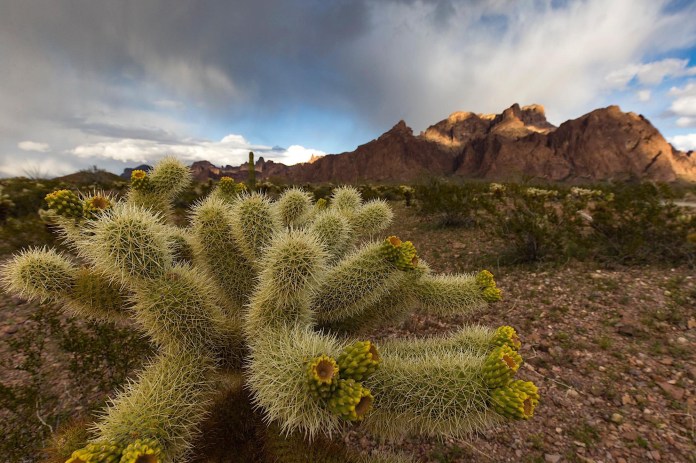
I have been in love with the desert landscape for many years, thanks mostly to Big Bend. Deserts are dynamic and dramatic. And everything that lives in that ecosystem is so well adapted for such a harsh environment… I find it endlessly fascinating.

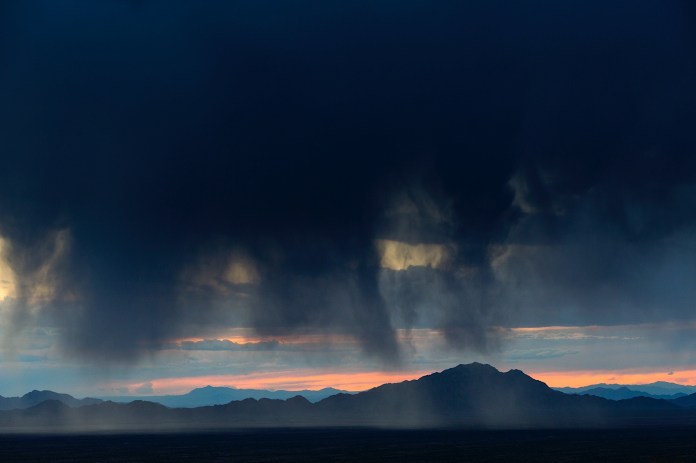
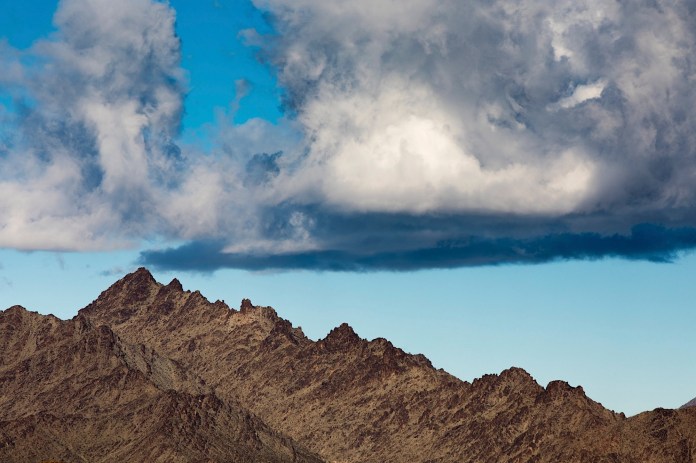
And I’m not sure how typical it is, but we got amazing storms that rolled in throughout February, creating some beautiful light.

It was a dynamic winter in the desert. Layers of light drifted and danced across the landscape, creating artful scenes.

I found some really incredible locations that I am excited to explore a bit more. There really are incredible photographic opportunities everywhere across Arizona.

We’ve always said that if we make enough money in the summer and fall, we’ll go to Florida in the winter. If we don’t, Arizona. I’m rethinking that now as I reminisce.

I really do love getting beach and Everglades time, but wintering in Arizona is quite certainly in no way any kind of silver medal.

Should we continue to be so fortunate, to live this dream on the road, spending the winter months getting dusty, wandering the arid backroads, I will count it as gold. Cherished, borrowed time, in a desert wonderland.

— Andrew


N O M A D  Magazine // Issue 1
Order your copy today and receive this 100 page full color travelgasm at your door!
Want to learn photography and enjoy a guided experience? Check out my exciting, NEW workshop dates:
INTO THE WINDS // BACKPACKING + PHOTOGRAPHY ADVENTURE
GRAND TETON // FALL COLOR // LANDSCAPES + WILDLIFE
TELLURIDE // FALL COLOR // LUXE LANDSCAPES
I’m excited to announce The Photographic Guide to Our National Parks” series of eBooks:
Rocky Mountain National Park
Grand Teton National Park
If you are interested in purchasing a “print from the road”, please check my prints for sale, or email me directly for a custom request:
Andrew Slaton // Limited Edition Prints
Andrew Slaton // Canvas + Metal Prints
If you are interested in licensing any of the images/ video from this post, please visit my stock agency:
Tandem Stills + Motion // Andrew Slaton 
For assignment work requests, please email me: andrew@andrewslatonphoto.com
Thanks for visiting AndrewSlatonBlog.com!
All images and content © ARS Media, LLC 2020
 
Standard
photography, travel

BACKPACKING + PHOTOGRAPHY

There is no disputing that some of the best, most unique images are created while backpacking. Why is that?

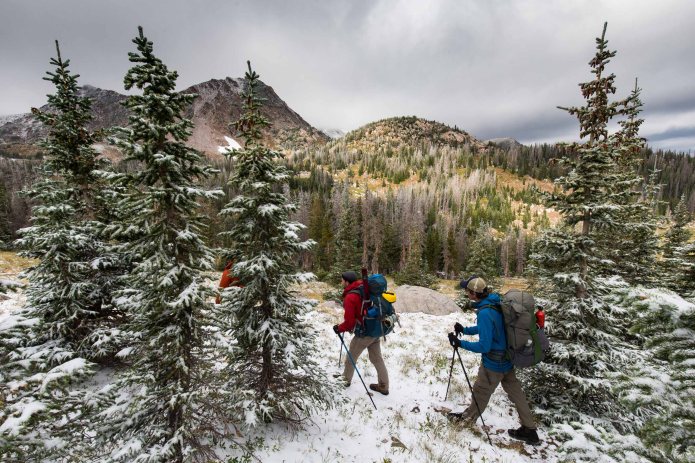
Well, for starters, not nearly as many photographers venture out far enough on foot to capture these rarely seen, pristine wilderness areas. It’s not as simple as pulling up to the next overlook in your comfy vehicle. You have to work for it. You have to carry everything on your back and walk miles upon miles to reach your shot.

So, aside from the obvious hurdle of energy exertion and being in good enough shape, what are the main obstacles to backpacking for photography? Well, simply put… weight. It’s the reason many pro outdoor photographers have made the switch to mirrorless cameras. Saving even ounces can really add up.

I have not yet mades the switch to the lighter, more compact mirrorless cameras. So I’ll be approaching this problem from the old-school perspective. But I believe I have some insight to give that will benefit both the DSLR photographers, and those who have gone mirrorless. The concepts for both are really one in the same. It’s all about saving weight anywhere you can.

First, you must try to accurately assess the location, and its specific gear needs/ requirements. I am including ALL gear here, not just photo related. If you can save ounces/ pounds with your general camping/ backpacking gear, that may mean the difference between taking a particular lens or not. For example, if you are backpacking the Pacific Northwest, you surely need to carry rain gear [waterproof jacket, pants, pack cover, tent fly, and camera cover(s)]. If you happen to be in the desert, leave most of that and simply bring the rain fly for your tent. If, in the off chance, it does rain, you can stash everything in the tent. There are certainly inherent risks in packing this way, but the reward may be that you save your back, and get the amazing shot you wanted. If you are new to backpacking all together, or just need some tips to pair things down, check out the godfather of backpacking, Andrew Skurka’s post on gear. It will prove insightful for both the novice and experienced alike. But keep in mind, he approaches this from a purely backpacking perspective, not photography.

Next, think through the possible shots you’d like to capture. This will take some research/ scouting. See my post on scouting for help if you are new to this concept. Once you have a detailed shot list created, this will help determine which (and how many) camera bodies, lenses, flash, tripod, intervalometer, filters, etc. you will likely need. Only bring what you really need to get the shots.

I have made the mistake so many times on excursions into the backcountry to take extra equipment that I thought I might need. This proved to be a waste of weight and energy exertion. I won’t downplay the difficulty in accurately assessing your pack list, but I also won’t downplay the importance to be as conservative as possible. If in doubt, just don’t bring it. Do more with less.

Make sure you have everything you need to survive, but be willing to sacrifice some comforts to get to a doable weight.

KNOW YOUR LIMITATIONS. I recommend doing some test miles with your pack fully loaded to see if it’s something you can even handle. Hike at least two miles to get a feel for it. The rule is, your pack, fully loaded, should not weight more than 20% of your body weight.

This is much easier said than done. My pack, when on a photo trek is frequently closer to 30% my body weight. I DO NOT recommend this. Stick to as close to (or below) 20% as you possibly can. Your body (specifically knees and back) will thank you as you get older.

It can be intimidating to head out into the wild with everything on your back, especially for the first time. But don’t let that stop you. The rewards far outweigh the struggle. A paraphrased quote from Teddy Roosevelt sums it up best… “Nothing worth doing is easy.”

In a world of the similar photographs from the same places, that everyone posts to social media, we must work a little harder to be distinctive. The unique experiences and photos you can create are everywhere. They are simply waiting for you to find your way to them.

–Andrew

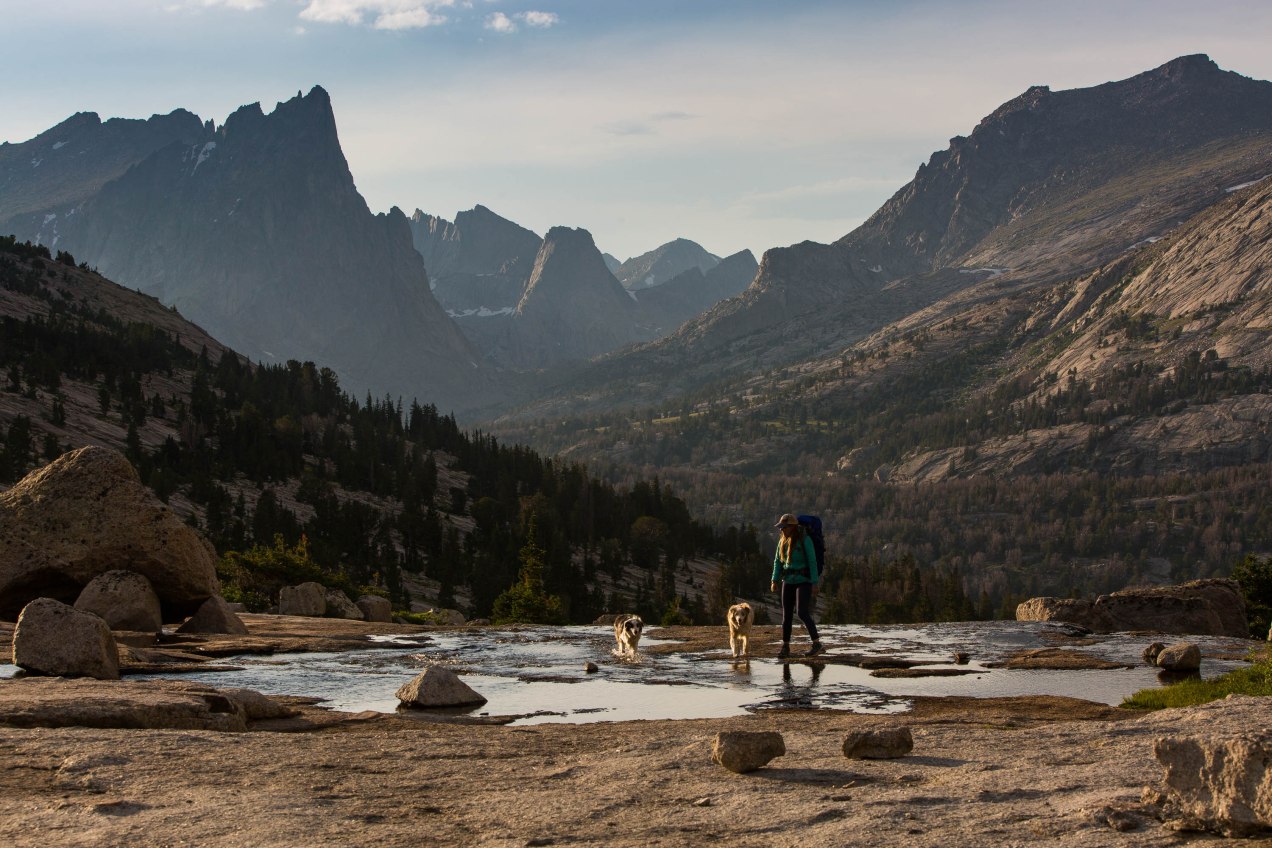
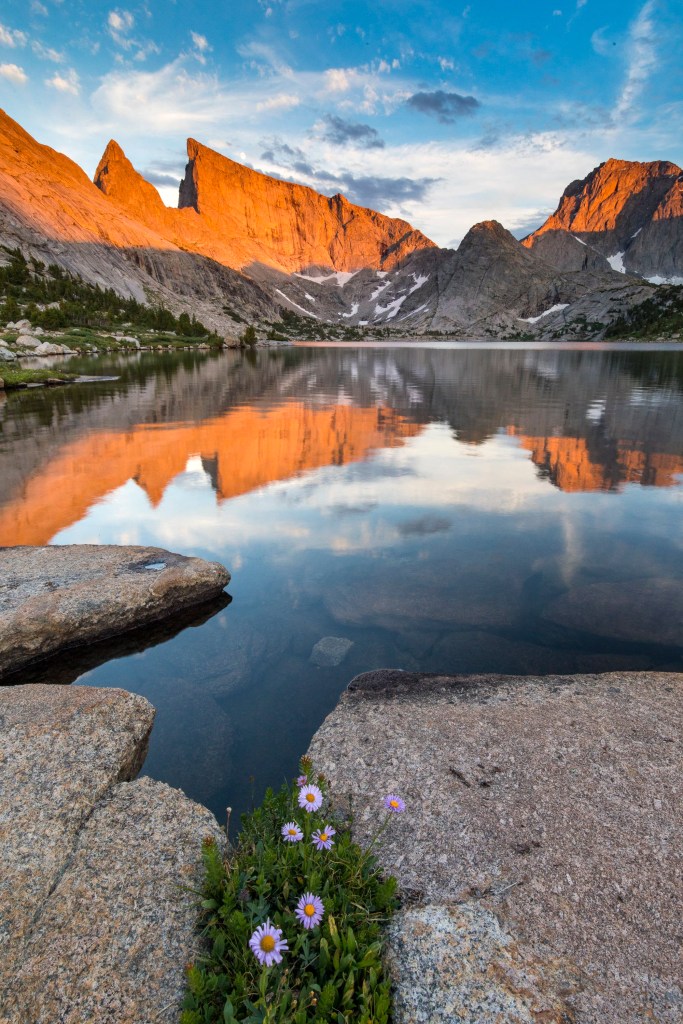
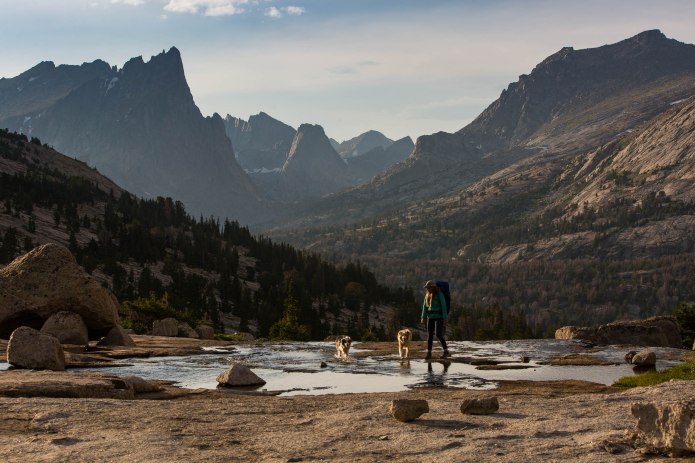
If you are new to backpacking, and would like a helpful first experience, I am excited to offer a fully-immersive, guided backpacking and photography adventure in my favorite mountain range on earth, the Wind River Range in Wyoming. I have not officially announced it yet, but if you are interested, let me know, and I will put you on the “first notified” list. You will learn first-hand from me, as I lead you into the most beautiful wilderness area in the lower 48.


N O M A D  Magazine // Issue 1
Order your copy today and receive this 100 page full color travelgasm at your door!
Want to learn photography and enjoy a guided experience? Check out my exciting, NEW workshop dates:
INTO THE WINDS // BACKPACKING + PHOTOGRAPHY ADVENTURE
GRAND TETON // FALL COLOR // LANDSCAPES + WILDLIFE
TELLURIDE // FALL COLOR // LUXE LANDSCAPES
I’m excited to announce The Photographic Guide to Our National Parks” series of eBooks:
Rocky Mountain National Park
Grand Teton National Park
If you are interested in purchasing a “print from the road”, please check my prints for sale, or email me directly for a custom request:
Andrew Slaton // Limited Edition Prints
Andrew Slaton // Canvas + Metal Prints
If you are interested in licensing any of the images/ video from this post, please visit my stock agency:
Tandem Stills + Motion // Andrew Slaton 
For assignment work requests, please email me: andrew@andrewslatonphoto.com
Thanks for visiting AndrewSlatonBlog.com!
All images and content © ARS Media, LLC 2020
Standard
national parks, photography, travel

PARK PEEK // THE EVERGLADES

The Florida Everglades is not just a National Park, it’s an entire ecosystem stretching from Lake Okeechobee all the way down into Florida Bay and the Keys. It’s an incredible swath of land comprised of both public and private, as well as Native American reservation land.

For photographer and nature lovers, it is a heavenly realm.

I am obviously both, and I will try to share a small picture of what the Everglades experience is like. This land, like any worth preserving, is wild, and not for the faint of heart. It is for explorers and adventurers. It is for the people who bend to nature, not the other way around.

If you approach the Everglades from later perspective, it will break you. And you will have a potentially awful experience. However, if your approach is the former, you will roll with all of the wonderful and terrible surprises she has to offer the outsider. Once you step into this landscape, you are immediately aware that you are, in fact, an outsider.

Its flora and fauna are ancient.

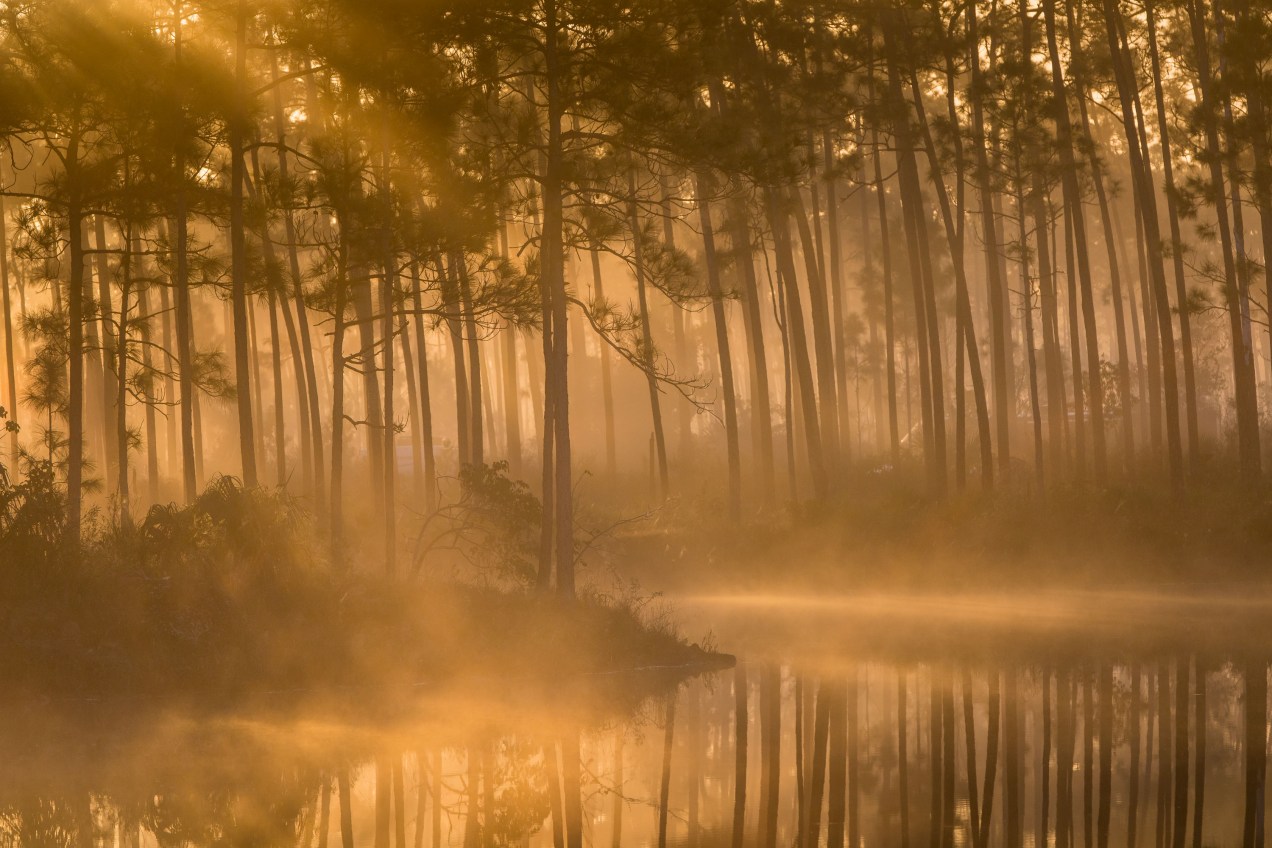
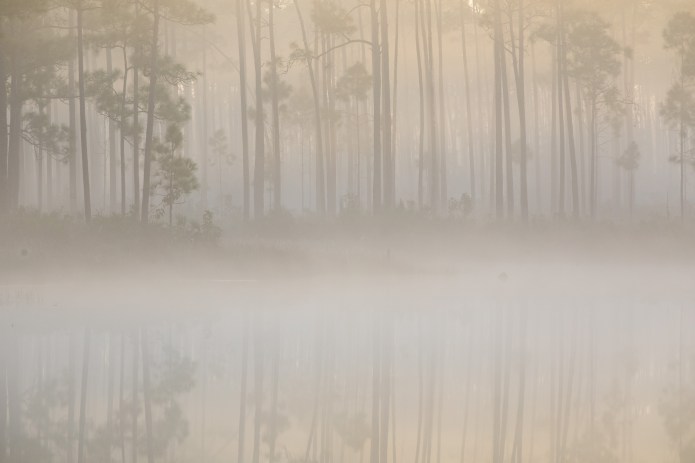
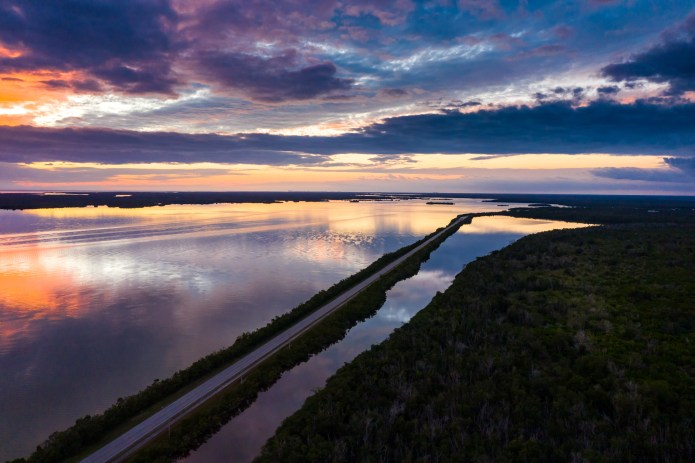
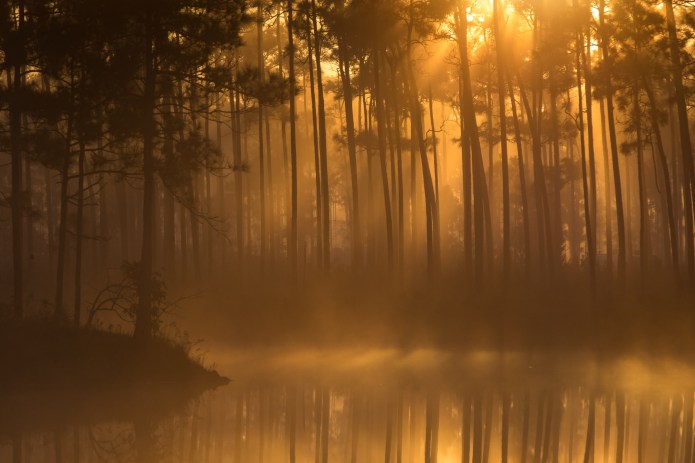
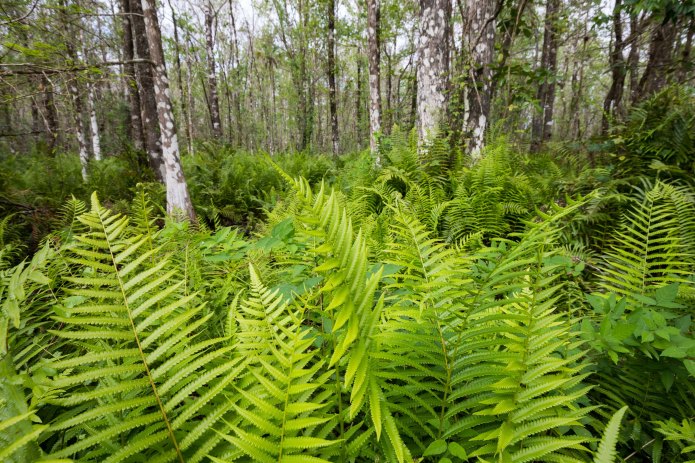
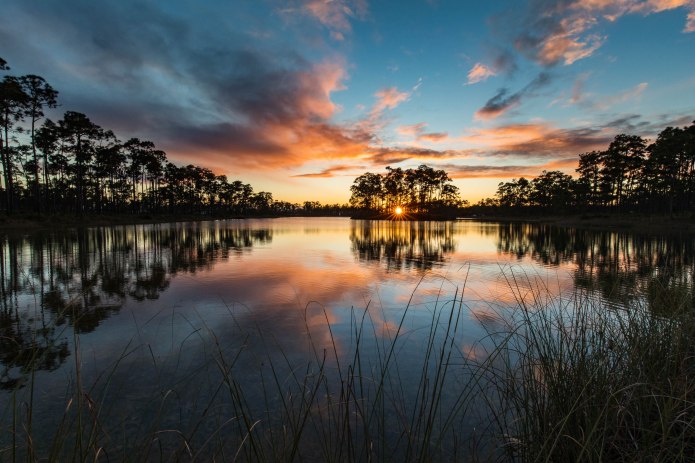
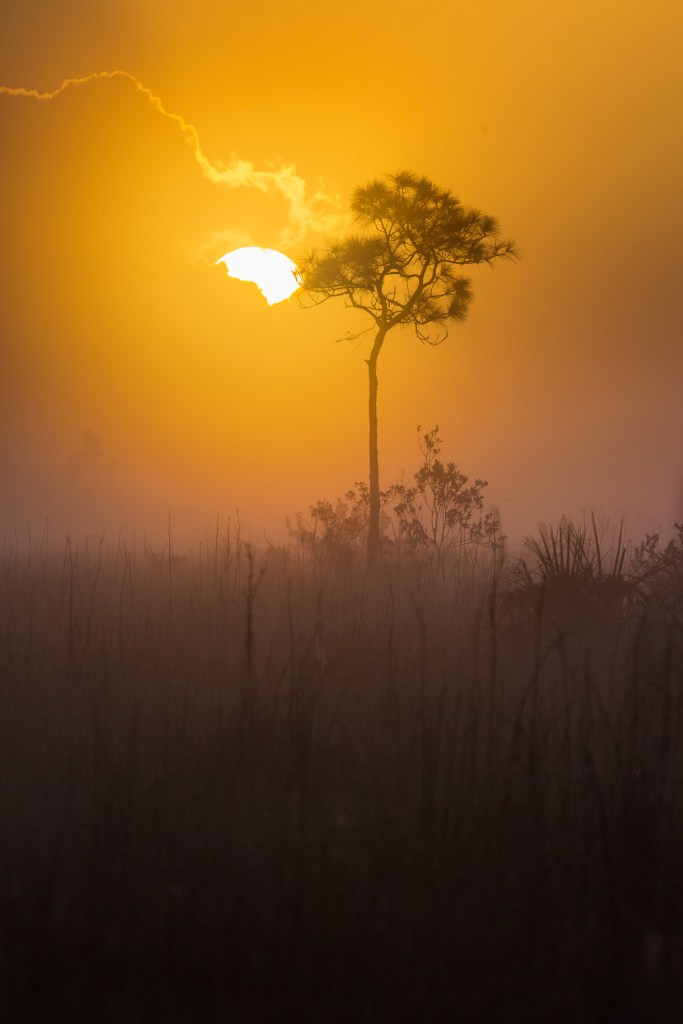
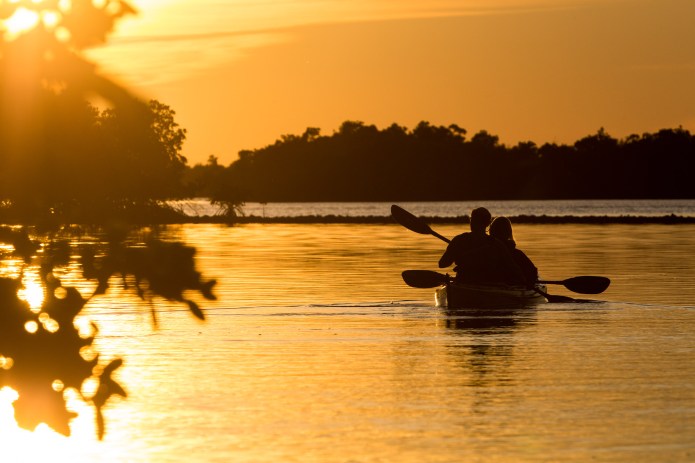
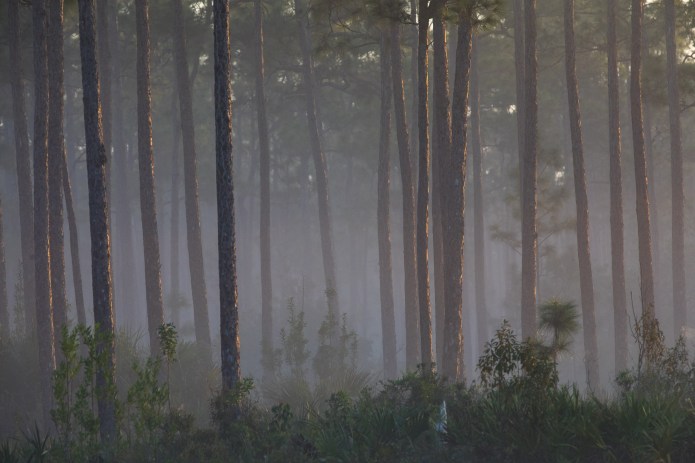
Landscape photographers will find it challenging and frustrating, but also ultimately unique and rewarding. It is where the sky and water unite, and weather creates chances for incredible drama. There are rivers of grass, reflective lakes, pine uplands, cypress bottomlands, brackish canals, and wide open salty bays.

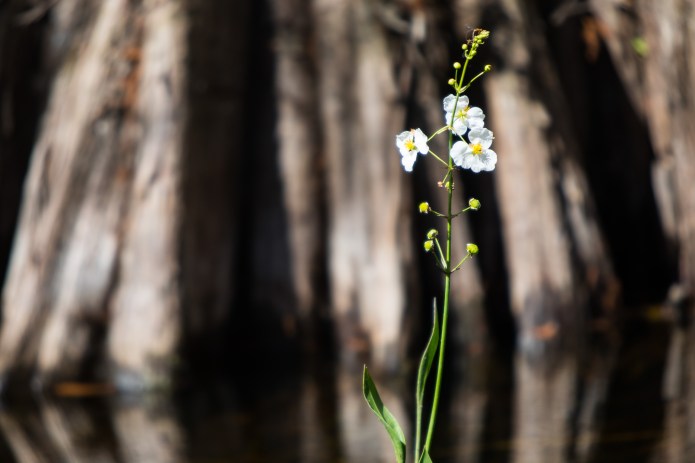
The opportunities for detail and macro images are everywhere.

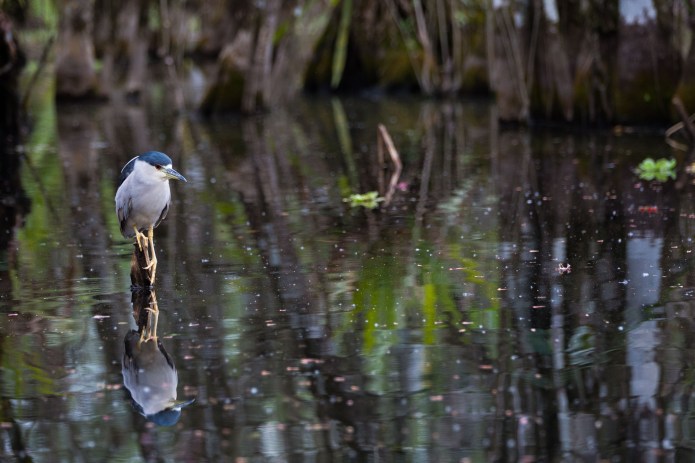
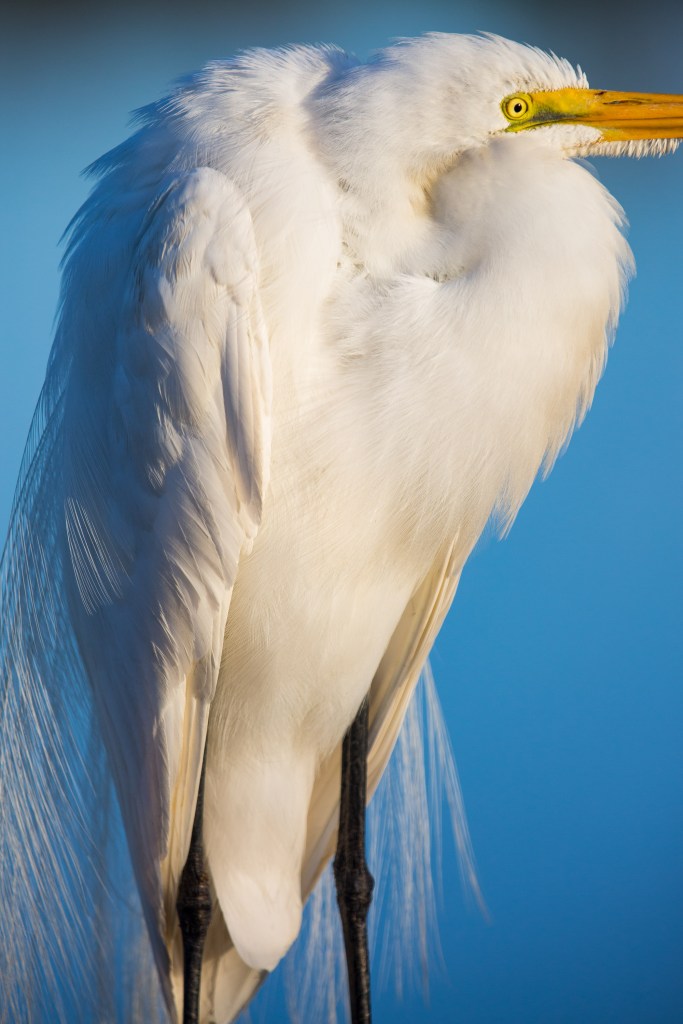
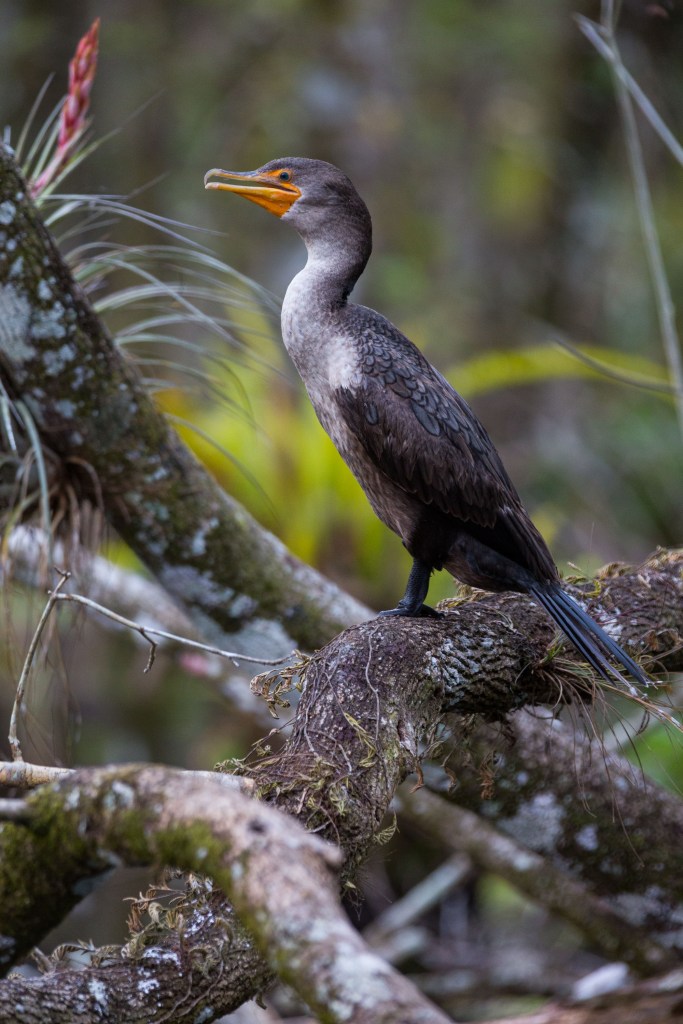
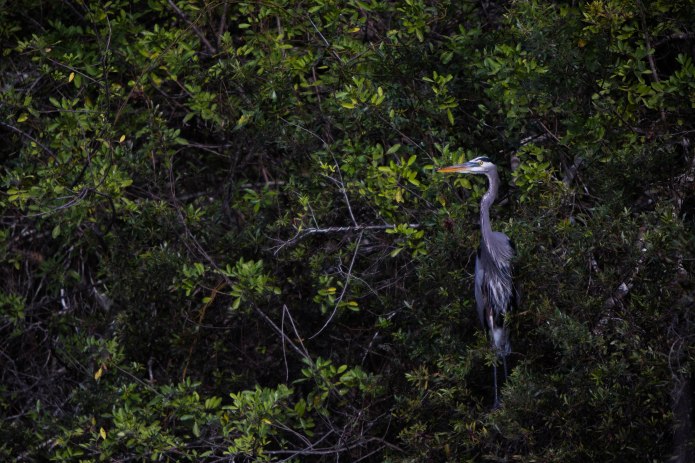
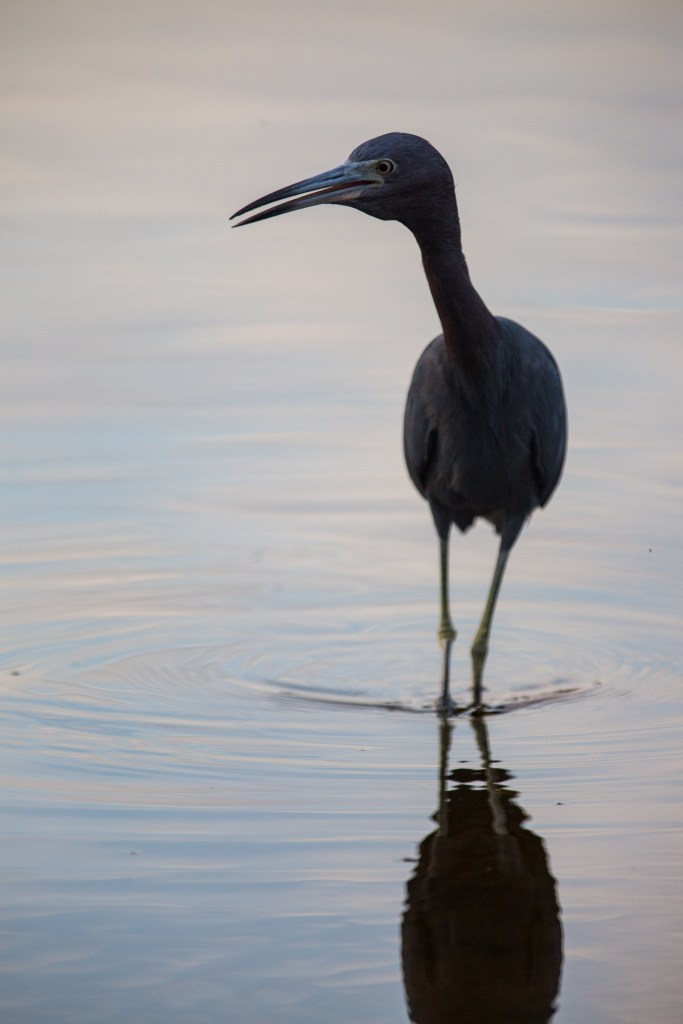
And the birds… Especially in winter, the amount and variety of birds is astonishing.

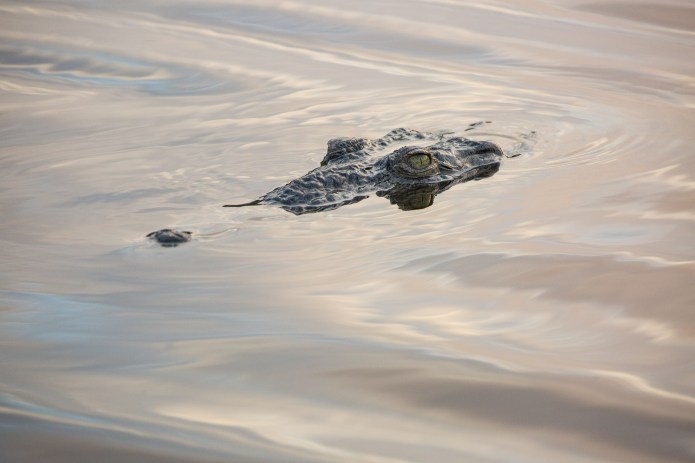
The Everglades is also home to the endangered American Crocodile, one of my favorites.

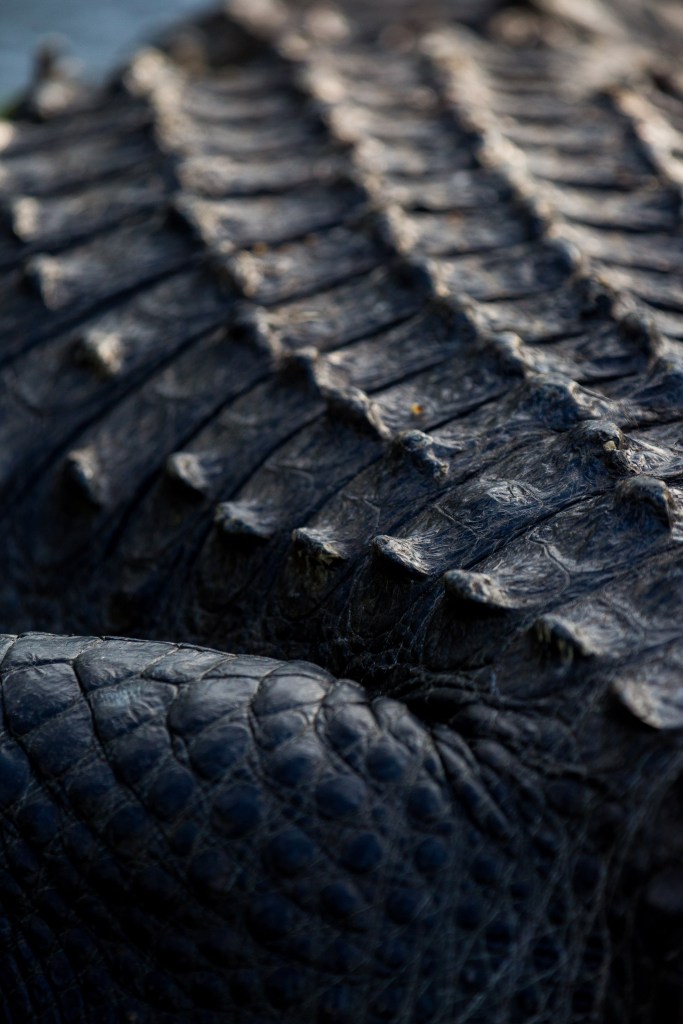
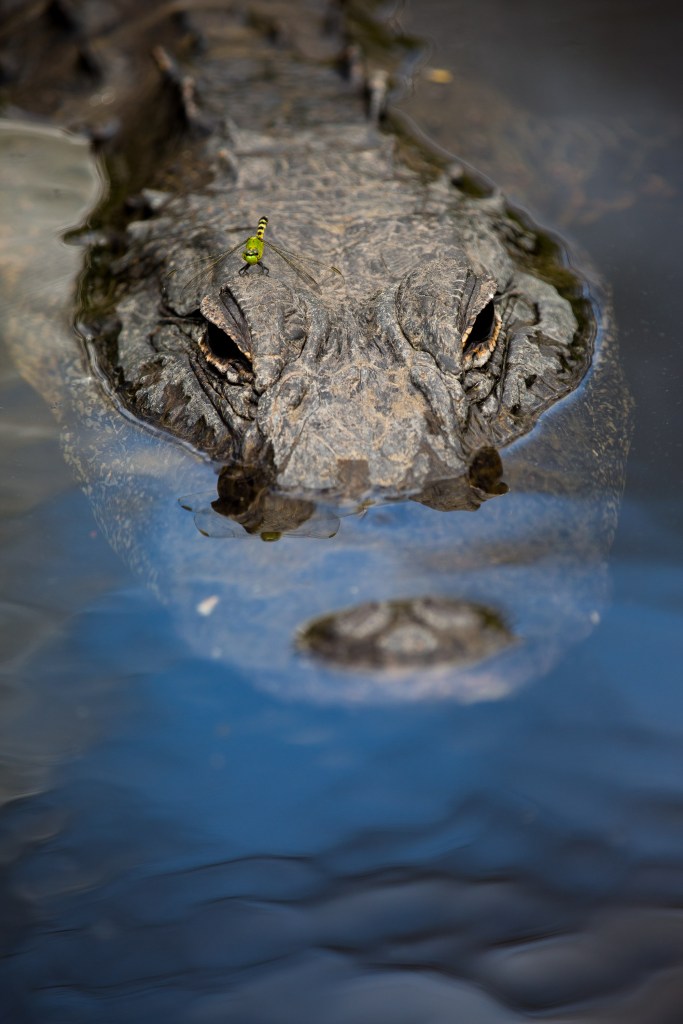
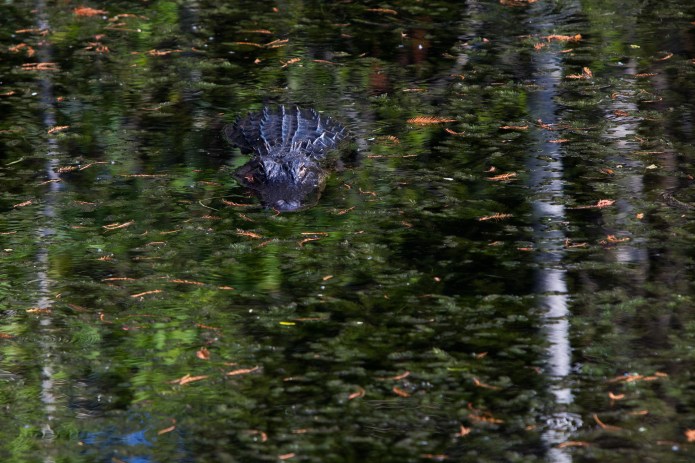
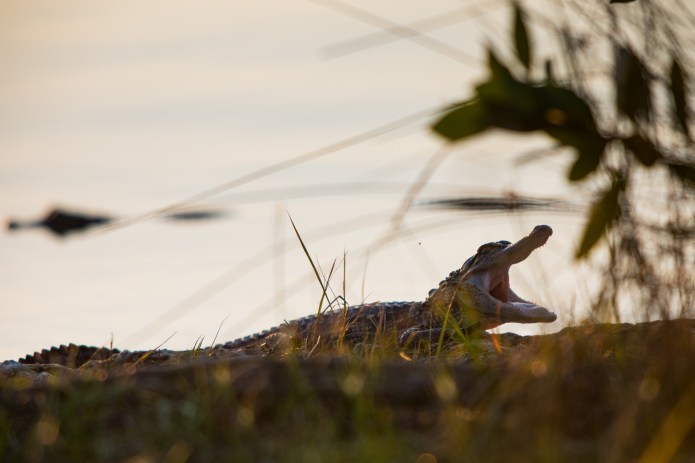
It is also home to one of the most storied wildlife comebacks in history, the American Alligator. Once hunted to near extinction, the species was added to the Endangered Species list in 1967. Now, just over 50 years later, alligators populations are estimated to number over 5 million in the wild. It is, perhaps, the US Endangered Species Act’s most successful project.

Throughout the history of south Florida’s urban development, much of the natural flow of water was impeded. It was not until recently that the importance of this area was truly realized. Today, there are massive efforts underway to restore much of what was damaged.

Thankfully, the beauty and mystery of the Everglades is on full display for visitors. There is much work to be done, but what does remain of this place, is enough to inspire the young and old alike to cherish it.

I love sharing this area so much, and it is so rich with photographic opportunities, that in January/ February/ March of 2021 I plan to have two Everglades and two Big Cypress workshops/ tours. As of now, dates are tentative, and registration is not yet open. However, if you would like more information, please email me to express your interest, and I will add you to the list of first notified.

–Andrew

If you enjoyed this article and found it helpful, consider joining me on the adventure of a lifetime to learn so much more. I offer workshops and tours in many of the worlds most incredible locations, and on these trips, you will get tons of one-on-one time to ask me anything. In fact, I’m offering $250 off my Big Bend Wildflowers + Stars workshop coming up in March, for a limited time. Let me help inspire you to become the artist you’ve always wanted to be! 


Ellen and I hit the road full-time in June of 2016. We are on a mission to inspire and educate everyone on the importance of getting outside. Check out my workshops and my prints. The revenue will help propel us further on this great adventure. Enrich yourself and others… and feel great about it too as you’re helping to ensure our public lands are cherished and to keep the wild spirit of the American Dream alive. Our goal is to visit all 60 National Parks in 3-5 years. We are currently in year 4 and half way thru the Parks. LEARN MORE ABOUT WHAT WE’RE DOING HERE


N O M A D  Magazine // Issue 1
Order your copy today and receive this 100 page full color travelgasm at your door!
Want to learn photography and enjoy a guided experience? Check out my exciting, NEW workshop dates:
INTO THE WINDS // BACKPACKING + PHOTOGRAPHY ADVENTURE
GRAND TETON // FALL COLOR // LANDSCAPES + WILDLIFE
TELLURIDE // FALL COLOR // LUXE LANDSCAPES
I’m excited to announce The Photographic Guide to Our National Parks” series of eBooks:
Rocky Mountain National Park
Grand Teton National Park
If you are interested in purchasing a “print from the road”, please check my prints for sale, or email me directly for a custom request:
Andrew Slaton // Limited Edition Prints
Andrew Slaton // Canvas + Metal Prints
If you are interested in licensing any of the images/ video from this post, please visit my stock agency:
Tandem Stills + Motion // Andrew Slaton 
For assignment work requests, please email me: andrew@andrewslatonphoto.com
Thanks for visiting AndrewSlatonBlog.com!
All images and content © ARS Media, LLC 2020
Standard
photography, travel

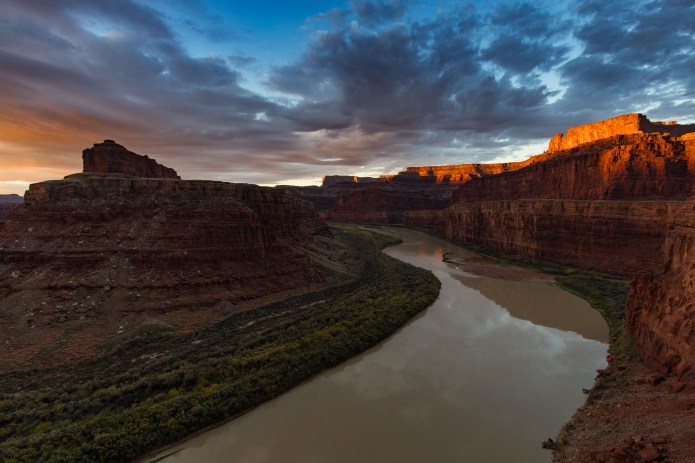
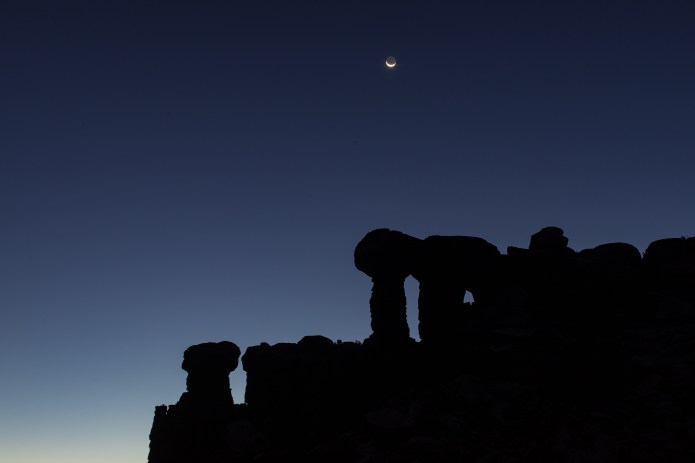
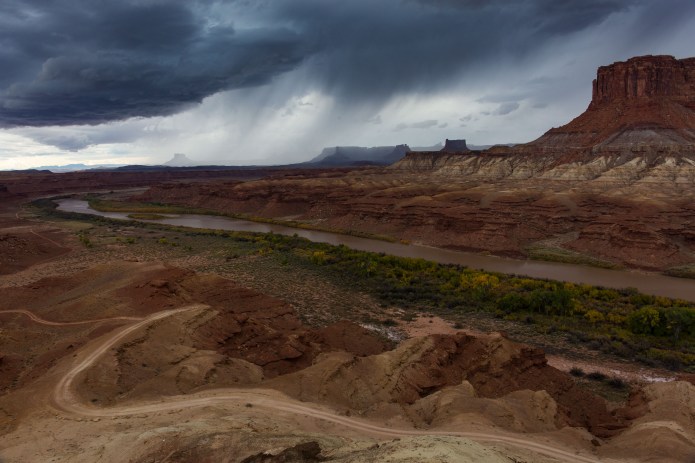
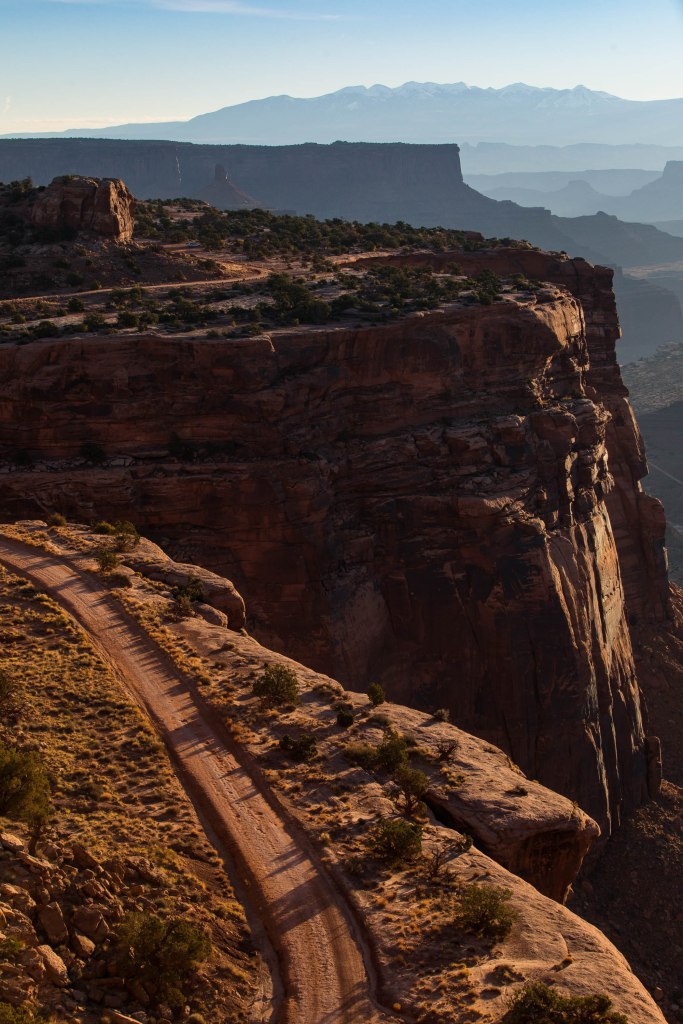
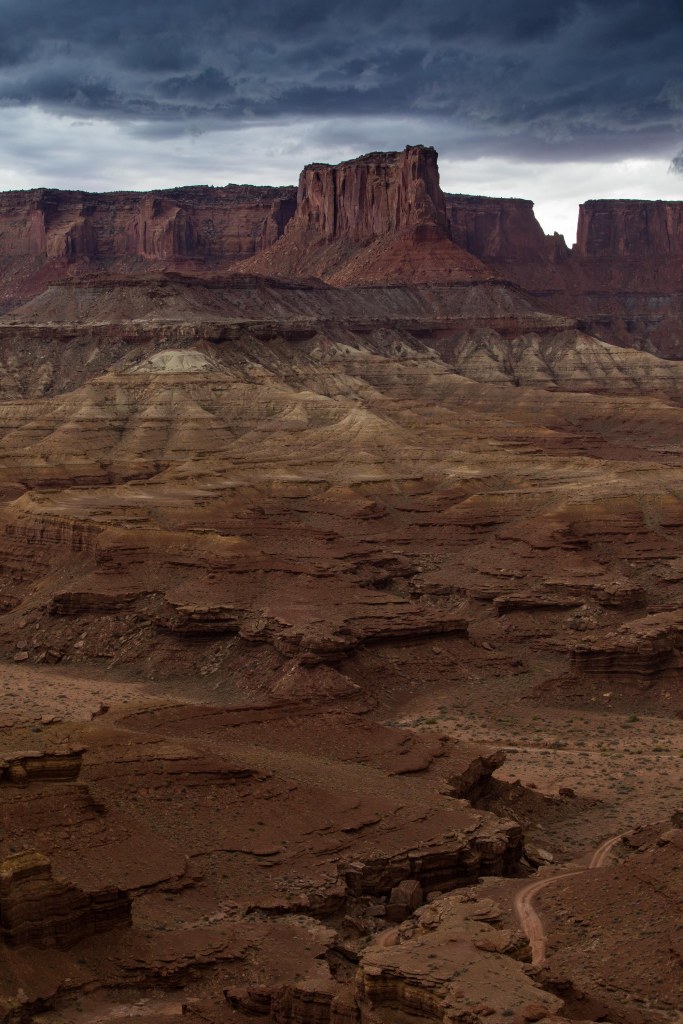
LOCATION FEATURE: MOAB

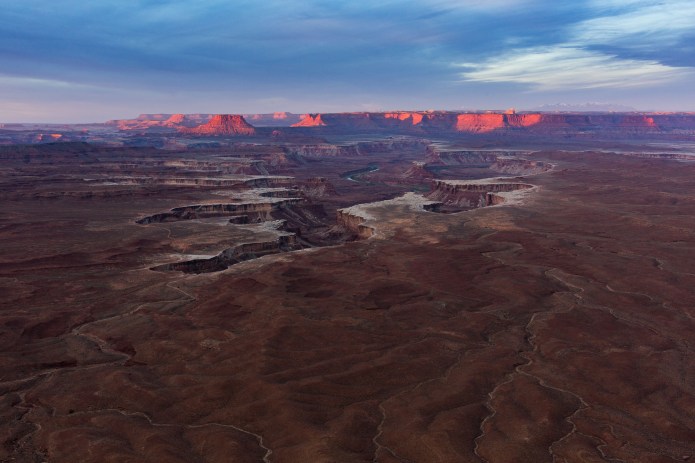
The red rock desert surrounding the small town of Moab, Utah has become our unofficial resting place before the holidays. After a jam-packed summer of working hard and backpacking the Wyoming Rockies, then a fall full of epic workshops and constant travel, Ellen and I both need a little rest and relaxation. Escape from an overly hurried pace.

Enter Moab.

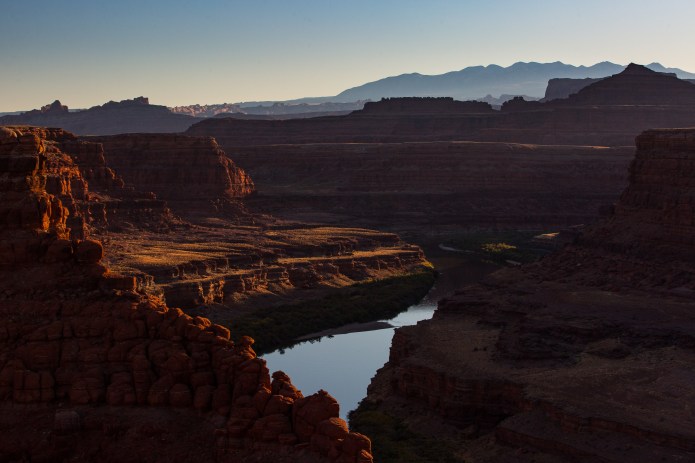
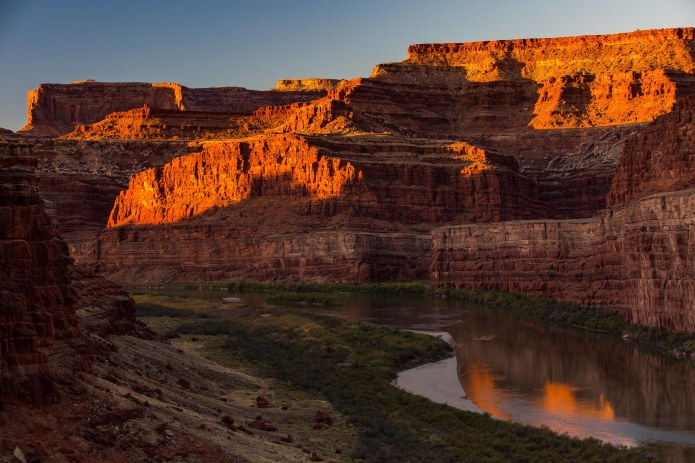
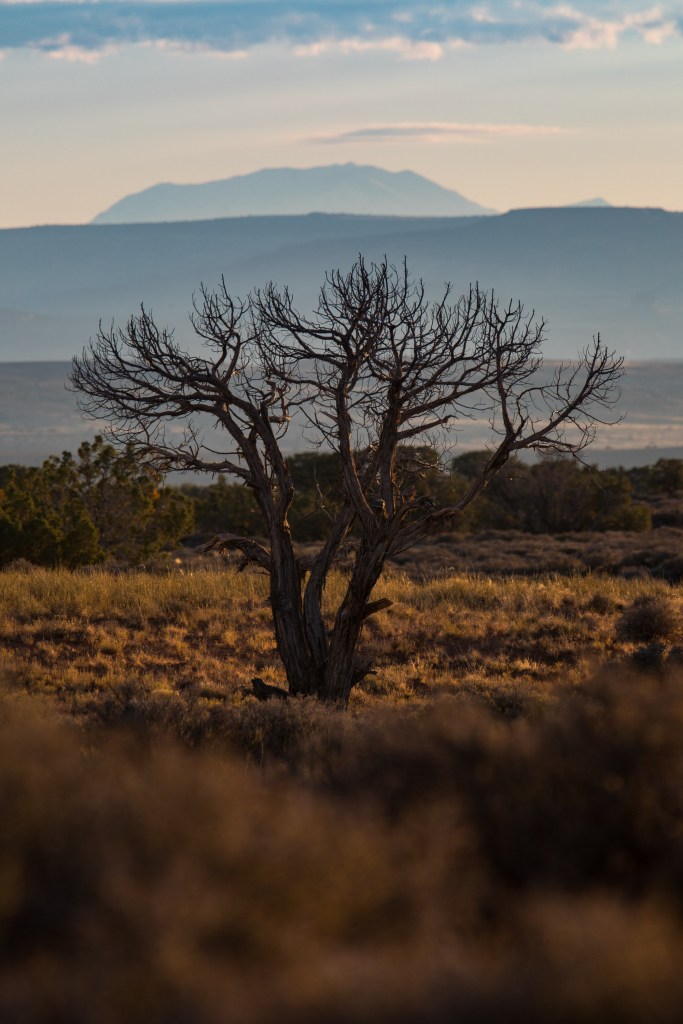
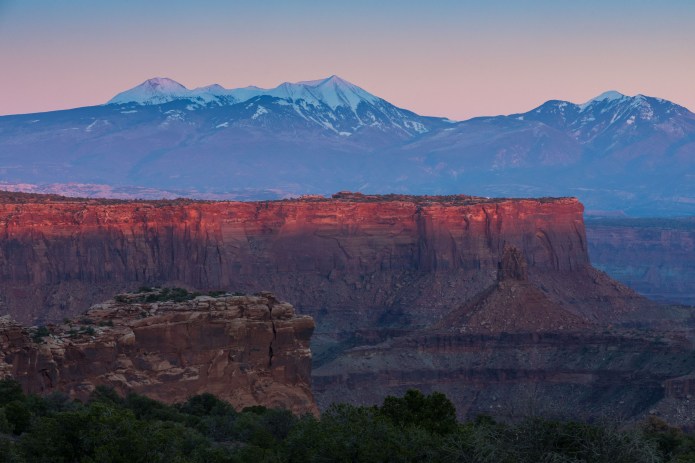
The mighty Colorado and Green Rivers meet and meander through this vast desert landscape. The weather is (usually) lovely when we arrive in mid-October. But it is high desert, so sometimes the altitude allows for wintery conditions. But compared to the insane cold of Wyoming, it’s still much nicer.

The first time we visited, it was summer. Hot as blazes. And we’re from Texas, so I believe that’s saying quite a bit. If you’re camping, I do not recommend that time of year. It’s also crazy crowded.

No, October/ November is our favorite time because the weather is typically mild, the crowds are greatly reduced, and it’s a good time of the year to slow things down. Off-the-grid camping, long desert hikes, two nearby national parks (as well as millions of acres of BLM and National Forest land), rock climbing, and long, slow drives, all help to make this the perfect holiday getaway for outdoorsy people.

For the dirt road junkies, like me, it’s heaven. Endless, remote, 4×4 roads to explore to your heart’s content. But be prepared, these roads aren’t for the faint of heart, and you’d better have extra gas and water, as well as survival supplies. You may find yourself a hundred or more miles from the nearest help.

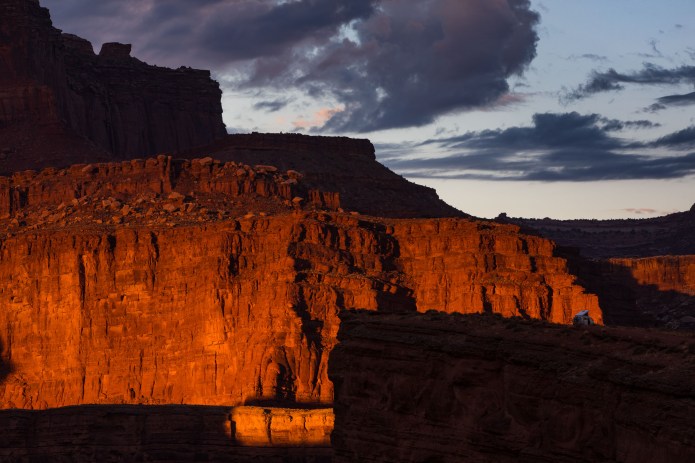
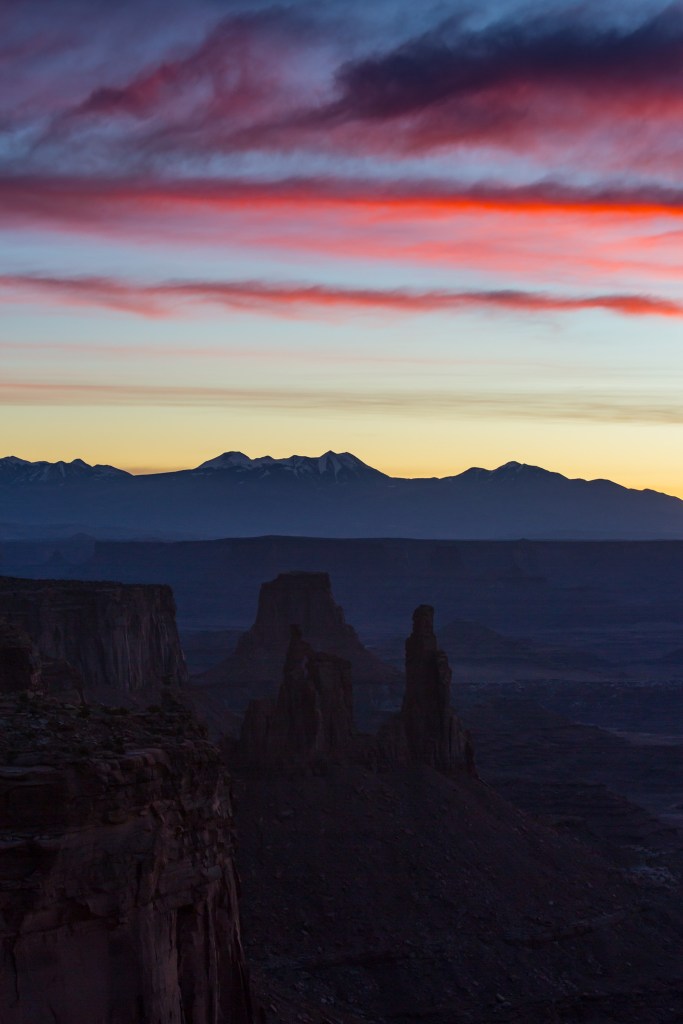
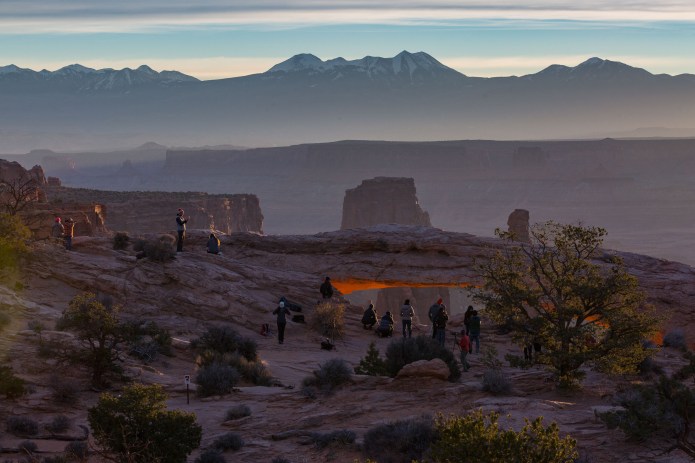
And photographers… well, it’s unparalleled. Moab is another one of those places that just has a “magical” light to it. I’m sure there’s a logical, scientific explanation… of which I am unaware. It’s probably due to the geological formations, bouncing natural light omnidirectionally. Whatever it is, the quality of the light is uncanny.

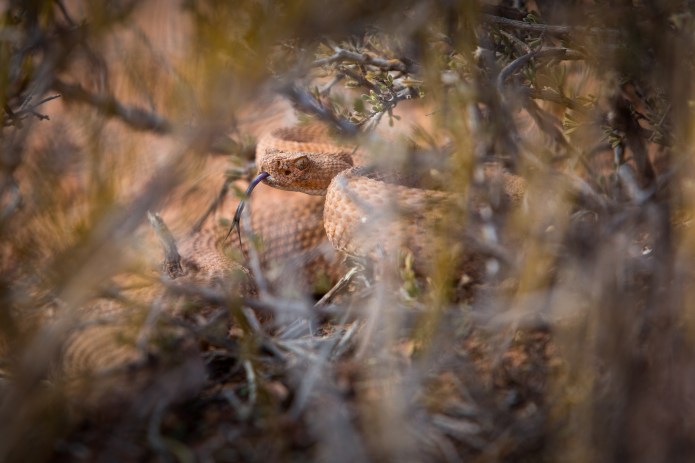
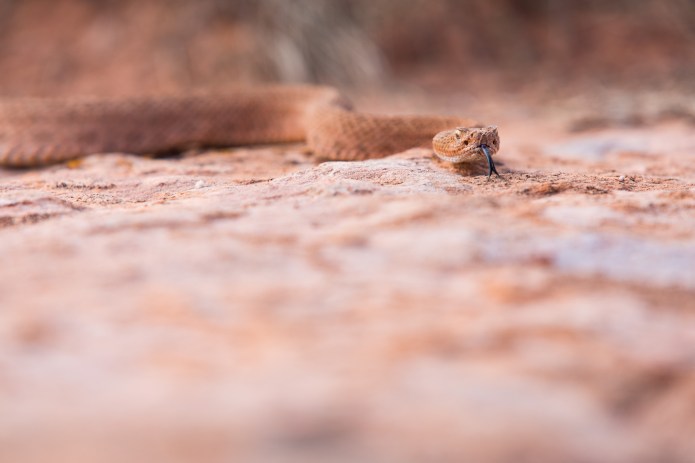
For the herpers out there, in spite of having cooler temps, Moab still often reaches the warmth needed to find our slithering friends out and about. The midget faded rattlesnake is a favorite of mine, and quite common in the area.

But be careful, their bite carries an ugly punch of neurotoxic venom.

For the majority of folks who aren’t into snakes, don’t worry, I’ve spent months exploring and only seen two. It’s not likely you’ll ever come across one… you really have to be one of us crazies who actually go looking for them.

Perhaps the best thing about Moab though is the night sky. It’s reminiscent of another winter favorite of ours, Big Bend, for its incredible visibility and low light pollution. The perfect place to practice your astrophotography, or simply just sit out by the campfire to enjoy the big, bright night skies.

A long visit to Moab has become a yearly tradition for us. It’s one of those traditions that has become indispensable. We go to relax way out off the grid, but if that isn’t your thing, the actual town of Moab has lovely accommodations and a surprising line up of good restaurants. If you’ve never been, you really should make a point to go… and if you’re into photography, drop me a line. I’ve been toying with the idea for years to do a Moab workshop/ tour. You just might be the one who convinces me!

–Andrew

If you enjoyed this article and found it helpful, consider joining me on the adventure of a lifetime to learn so much more. I offer workshops and tours in many of the worlds most incredible locations, and on these trips, you will get tons of one-on-one time to ask me anything. In fact, I’m offering $250 off my Big Bend Wildflowers + Stars workshop coming up in March, for a limited time. Let me help inspire you to become the artist you’ve always wanted to be! 


Ellen and I hit the road full-time in June of 2016. We are on a mission to inspire and educate everyone on the importance of getting outside. Check out my workshops and my prints. The revenue will help propel us further on this great adventure. Enrich yourself and others… and feel great about it too as you’re helping to ensure our public lands are cherished and to keep the wild spirit of the American Dream alive. Our goal is to visit all 60 National Parks in 3-5 years. We are currently in year 4 and half way thru the Parks. LEARN MORE ABOUT WHAT WE’RE DOING HERE


N O M A D  Magazine // Issue 1
Order your copy today and receive this 100 page full color travelgasm at your door!
Want to learn photography and enjoy a guided experience? Check out my exciting, NEW workshop dates:
INTO THE WINDS // BACKPACKING + PHOTOGRAPHY ADVENTURE
GRAND TETON // FALL COLOR // LANDSCAPES + WILDLIFE
TELLURIDE // FALL COLOR // LUXE LANDSCAPES
I’m excited to announce The Photographic Guide to Our National Parks” series of eBooks:
Rocky Mountain National Park
Grand Teton National Park
If you are interested in purchasing a “print from the road”, please check my prints for sale, or email me directly for a custom request:
Andrew Slaton // Limited Edition Prints
Andrew Slaton // Canvas + Metal Prints
If you are interested in licensing any of the images/ video from this post, please visit my stock agency:
Tandem Stills + Motion // Andrew Slaton 
For assignment work requests, please email me: andrew@andrewslatonphoto.com
Thanks for visiting AndrewSlatonBlog.com!
All images and content © ARS Media, LLC 2020
 
Standard