random thought, travel

The First 10,000 Miles

What I Learned From Life On The Road (Part 1)

Livin’ on the road, my friend, was gonna keep you free and clean. Now you wear your skin like iron, and your breath’s as hard as kerosene.” — Pancho and Lefty, Townes Van Zandt

When we set off in June, we didn’t really know what to expect… the stories, the landscapes, the people… the many, varied obstacles.

10,000 miles in, here we are; unscathed… relatively speaking, a little dustier, skinnier. Perhaps wiser, happier? Hindsight will be the judge.

The following are the first 10k miles in pictures and short stories, and what I’ve learned so far from life on the road…
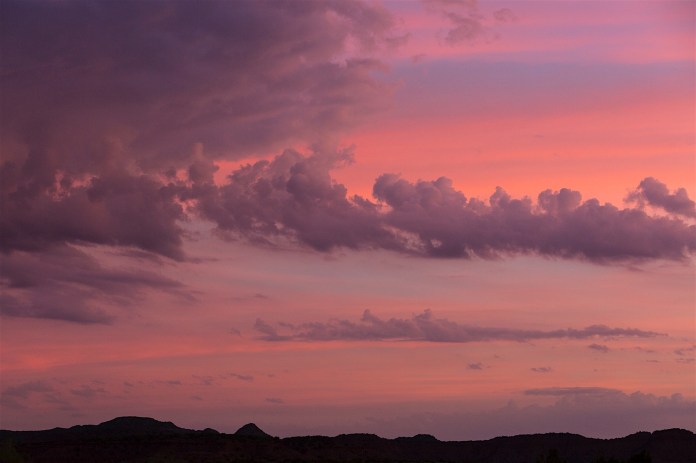
The famous West Texas sunrise

We left Texas in early June, 2016 with great anticipation for the adventure before us. Besides our family and friends, the only thing left in the Lone Star State was a 75 square foot storage unit half full of our stuff. What I learned somewhere along the way in the first 10,000 is that 75 square feet is way too much.

Lesson 1. The less stuff you have, the less stuff begins to mean to you.
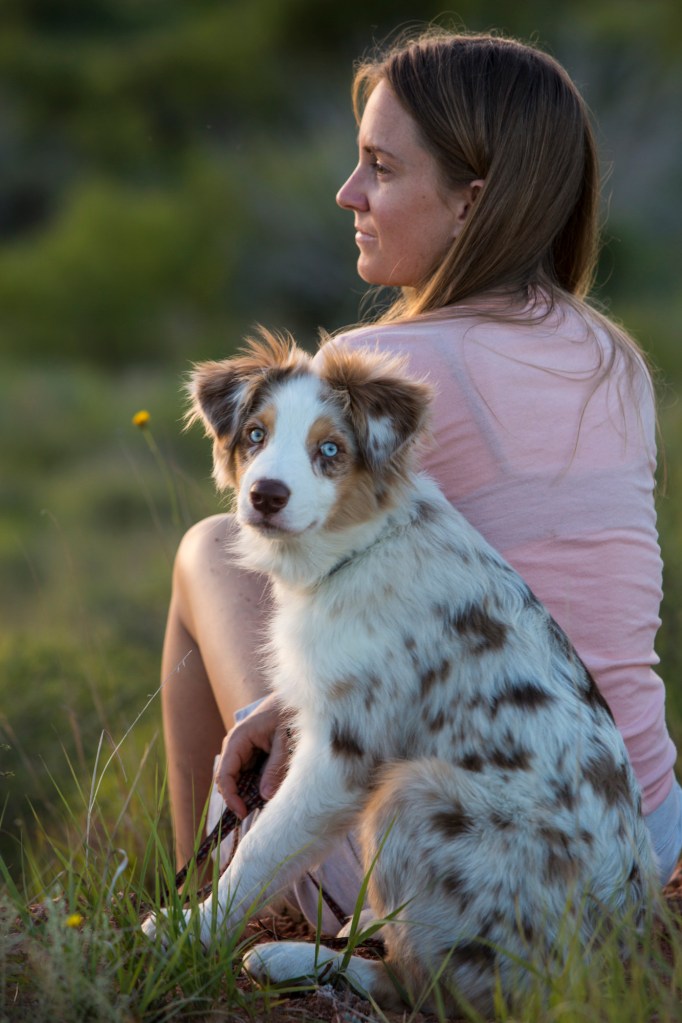
ARS_CCSP_20160605_0316

Our new Australian Shepherd pup, Islay (named after our favorite, peaty whisky soaked island in Scotland) was along for the ride. Living in our 200 square foot trailer with us and Colonel Bubba the cat. She is growing and learning and playing with every new mile.

She has slowly become the perfect dog for which we could’ve ever asked… you’ll see later.

2. Finding the right dog for you is nearly just as good as finding the right person.

ARS_GSDNP_160609_0982

We finally hit the mountains in record (slow) time. I’m not used to pulling a 6,000 lb. trailer and having to go 60mph. But we made it to Great Sand Dunes National Park regardless. Our first National Park of the 2-3 year 59 Park tour! We’ve been to GSDNP many times, so it felt like an old familiar friend welcoming us to this new way of life.

3. Old familiar friends are always a welcomed sight for the weary traveler.
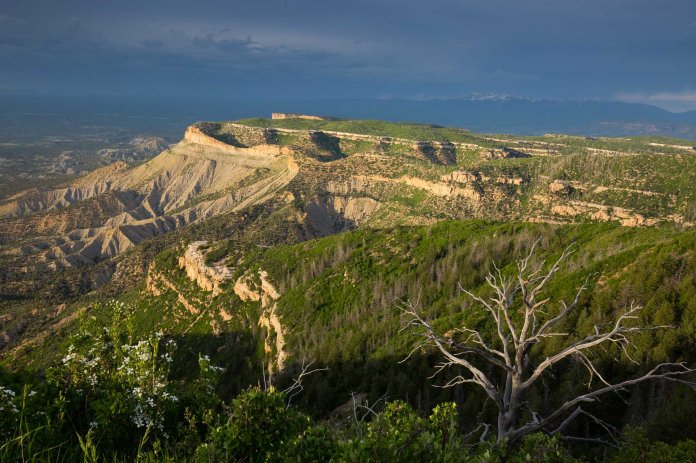
ARS_MVNP_160609_1045

Our first new Park, and 2nd overall was Mesa Verde. And so far, it has been the biggest shocker. We expected nothing from this relatively small National Park, and it really surprised us with its beauty and mystery.

4. No amount of familiarity can ever take the place of a new experience.
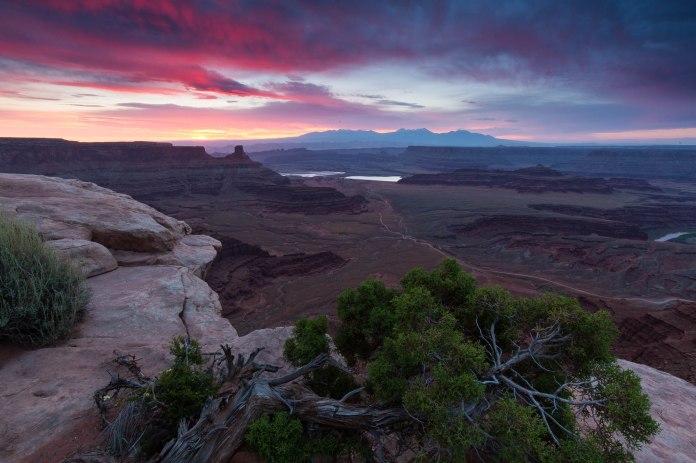
ARS_DHPSP_160611_1187

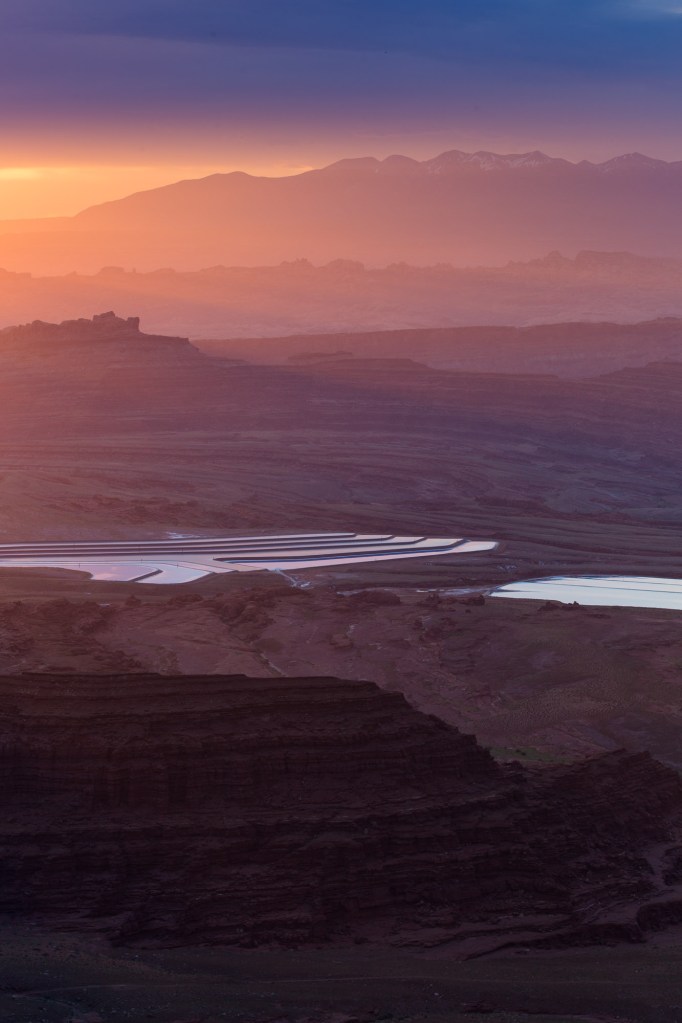
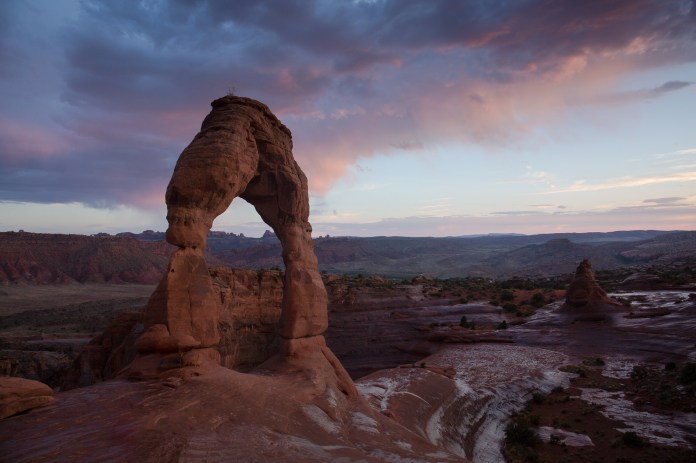
We didn’t have long to stay though. It was on to National Parks 3 and 4, Canyonlands and Arches in Utah.
ARS_DHPSP_160611_1217

ARS_DHPSP_160611_1224

These two Parks are pretty spectacular, and basically right across the highway from each other. Pretty awe-inspiring and convenient.

5. Inspiration rarely knows convenience. But when it does…. oh boy, hold on.
ARS_ARCHESNP_160611_1556

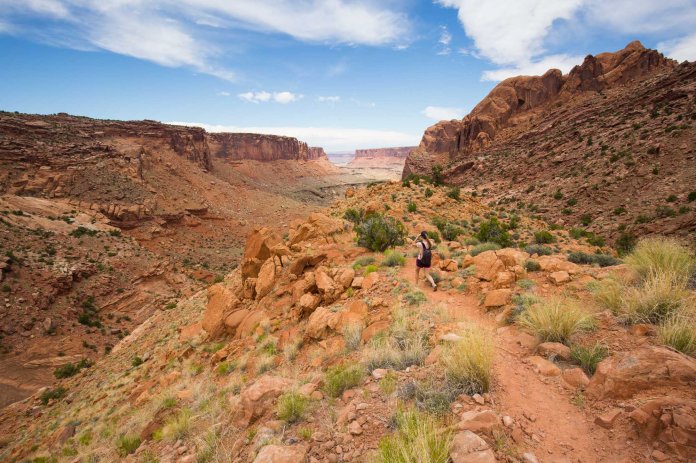
We started to get our “hiking legs” under us on this portion of the trip. I’m really glad we did too, because by the end of the summer we would’ve logged more than 300 trail miles from Texas all the way to Montana’s border with Canada.

The heat of canyon country sped the whole process along. 3-4 mile days quickly became 8-12 mile days as we worked our way up to the cooler mountain temps. All the while, we were dropping unnecessary pounds.

6. Hiking every day is the best way to stay in the best shape of your life. No pricey gym membership needed.
ARS_CNP_20160613_1740

When we finally arrived at our “home away from home”, the Wind River Range welcomed us with open arms. Pinedale is the town in which I lived in 2005, and the place got in my blood. I’ve visited at least once or twice every year since I moved back to Texas, some years making the 20+ hour drive 4 times.

It would now be our home base for the Summer and Fall. I had workshops slated to happen in the surrounding areas, and we both really wanted to get out deep into the Winds, so it was the perfect “base camp”.
ARS_WY_160616_1866

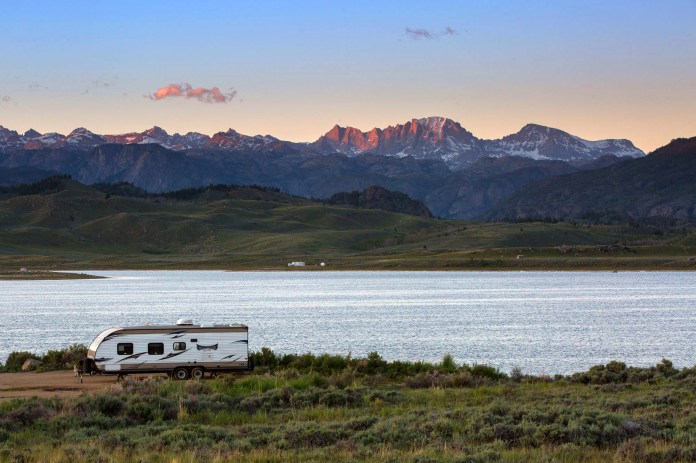
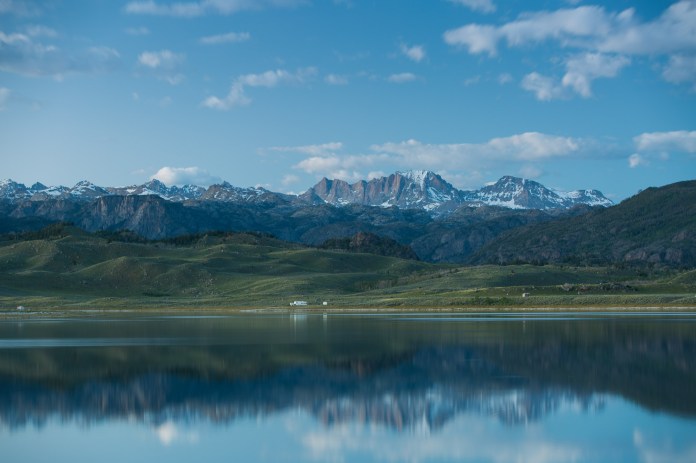
Soda Lake was our first “off the grid” experience. If you’re unfamiliar with what that means, it’s basically just car camping, but with four walls, a bed, a toilet, a refrigerator, and a limited supply of running water. Not too shabby really.

Ellen and I have been primitive camping all of our lives, so this was an absolute luxury.

And to look out our window and see a scene that I frequently had to travel very long distances to see… well, that proved to be priceless.

7. A spectacular view each morning has an uncanny ability to lift the spirits.
ARS_WY_160617_2141

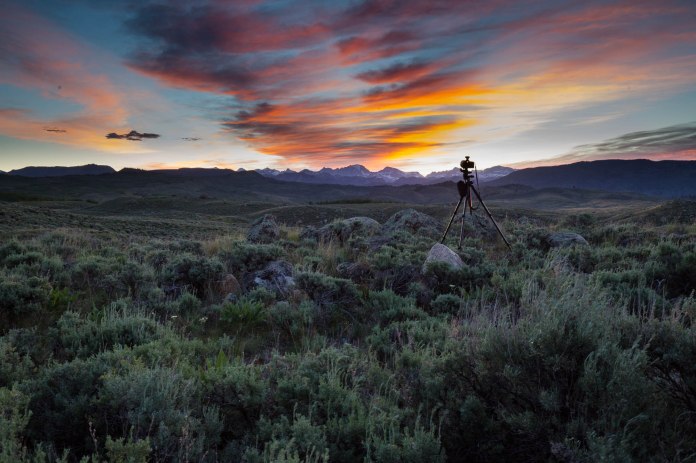
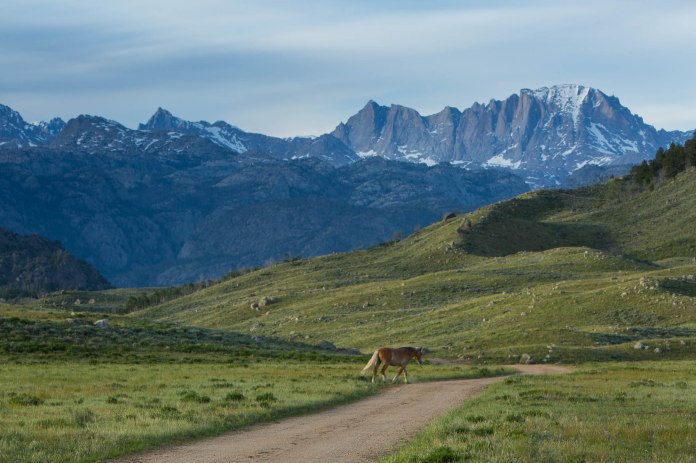
Hanging around Soda the first week was a great reintroduction to the mountain life. Every morning I would get up before dawn to watch the sun rise over the Winds. Every evening, we would enjoy our “dinner with a view”, play a game of dominoes or cards outside, and then I would go chase the sun’s last rays. Life slowed down to the basics.
ARS_WY_160618_2206

ARS_WY_160619_1009

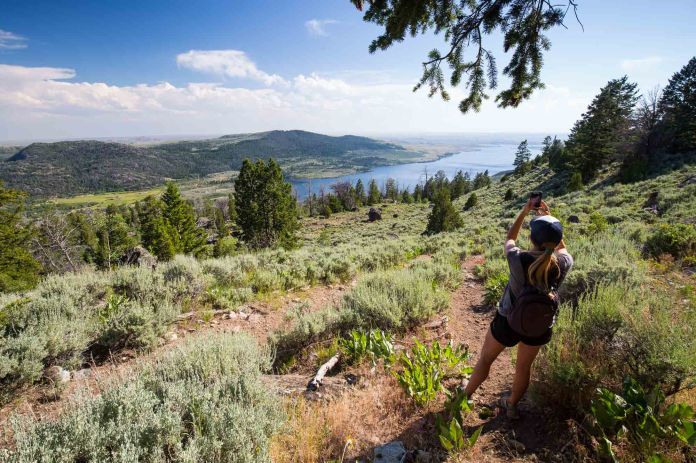
During the day, our hikes grew longer and more challenging, taking us deeper into the Winds.

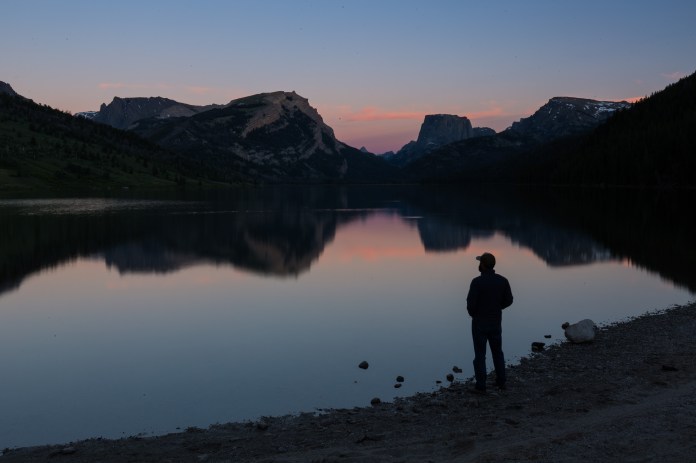
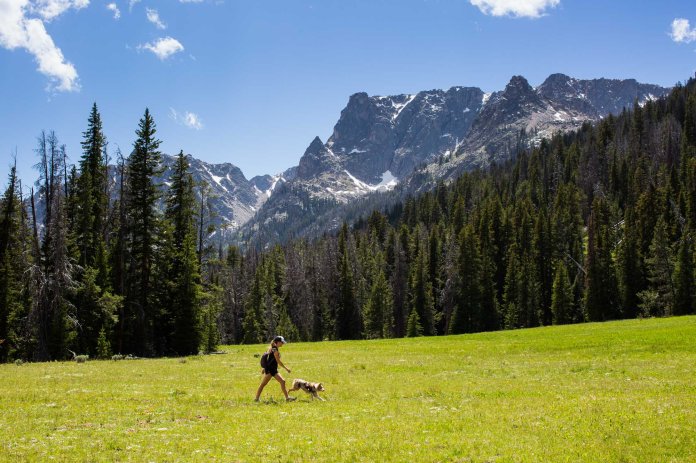
We headed out to one of our favorite places in the world, the Upper Green River Valley. The area is unique as it is the confluence of two ranges within the Rockies, the Gros Ventre and the Winds. grizzlies, wolves, elk, moose, eagles, antelope, and so much more call this dramatic landscape home. And we did too.
ars_wy_160626_2909

ARS_WY_160624_2616

We had the time to explore new trails and scenery.

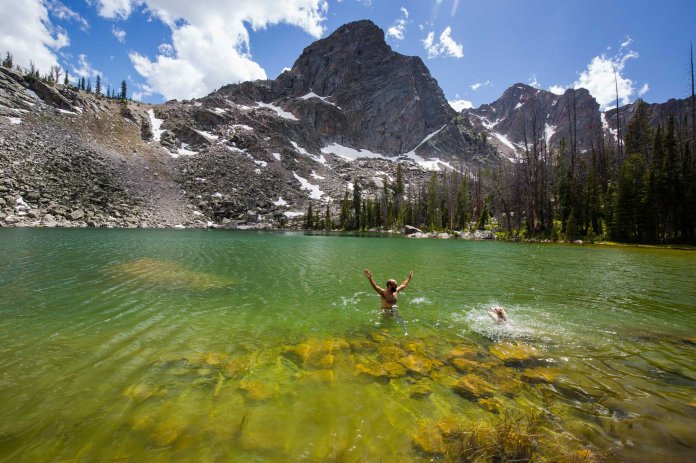
Islay was becoming quite the mountain dog, learning to cross dangerously swift rivers and creeks, negotiating boulders, swimming in high, clear mountain lakes with her crazy parents.
ARS_WY_160624_2699

8. Nothing can prepare you for both the terror and delight of the breath takingly cold experience of submerging yourself in a mountain lake. 
ARS_WY_160625_1201

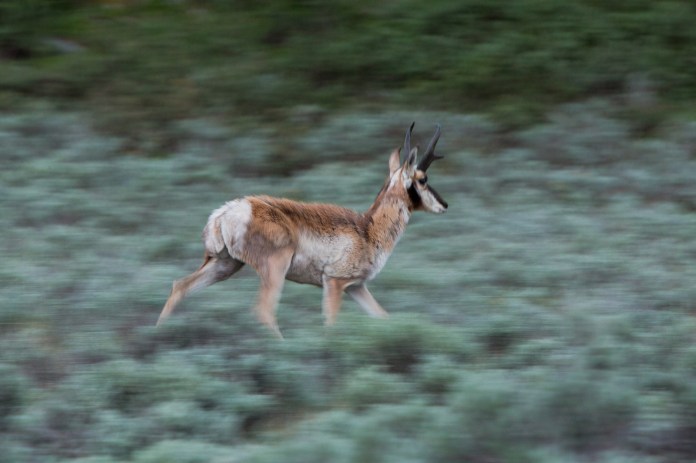
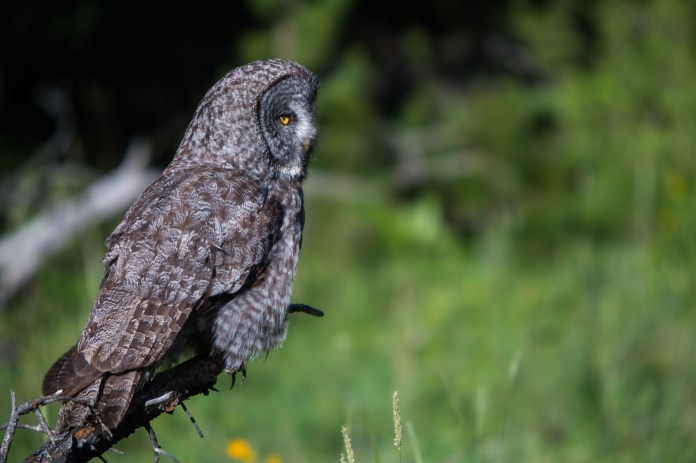
I spent my mornings scouring the area for wildlife. And I had some luck.
ARS_WY_160625_1286

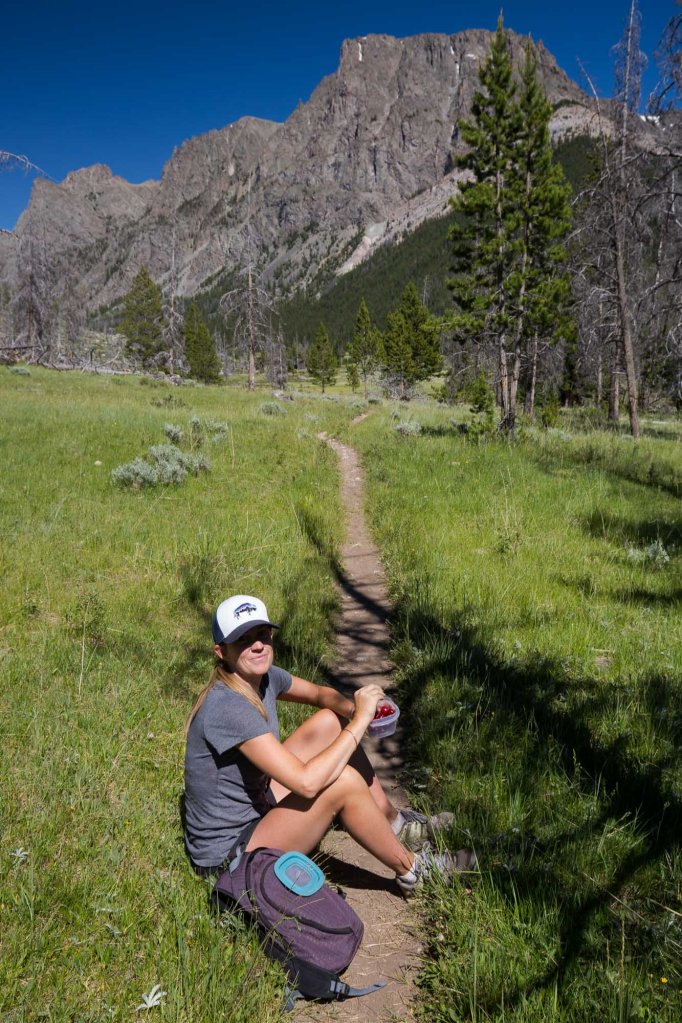
From the Green River Lakes trailhead, we found many of our favorite hikes. And our favorite trail snack.
ars_wy_160626_2885

9. When in season, cherries pack the best punch of flavor and immediate energy on the trail.

We learned quickly how long our water (fresh, grey, and black) tanks and batteries could last… 4-5 days. There’s also no cell reception for 40 miles at our spot in the Upper Green. So it was time to “plug in” and reconnect with the world. We had reached our limits.

We found a little no-frills RV park near Pinedale that was part of a network we could join. For $150 a year, we joined the club, named this as our “home park” and could now stay for free, as much as we like, for the rest of the year. No electric, water, sewer bills… just free “on the grid” camping any time we needed it. All the other hundreds of RV parks across the US and Canada in this network are just $10-15 per night for us too. Best $150 we’ve spent so far.

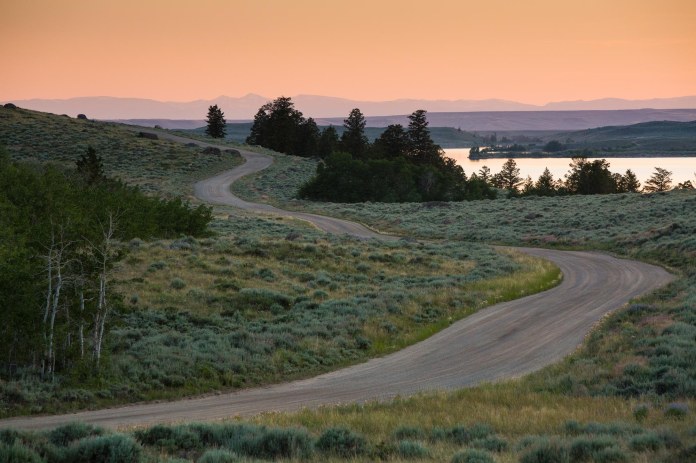
So we plugged in and found new roads and trails to explore in the southern reaches of the Winds.
ars_wy_160627_1311

ars_wy_160628_3051

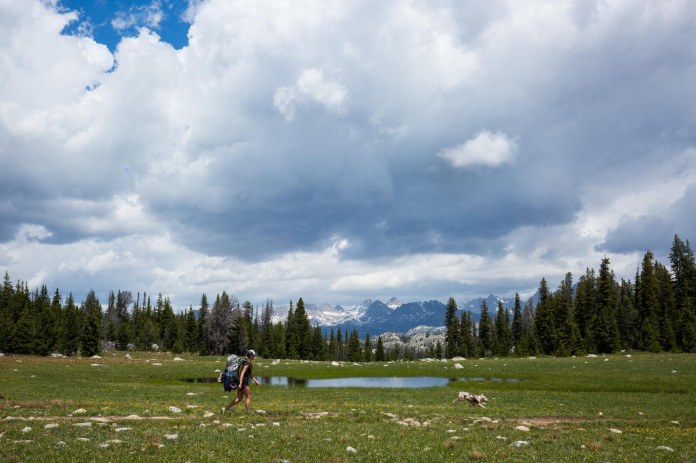
Since we could now stay plugged in for free, we knew it was a good time to do an extended backpacking trip into the Winds. 4 nights, 5 days of carrying everything needed on your back, sleeping underneath a blanket of stars, and being a part of the landscape.

So we left Gertie (the trailer) plugged in at our new “home park”, put a ton of cat food out for Colonel Bubba, and hit the trail, just in time to celebrate Independence Day. Fitting, I thought.

10. There is no better (or often more painful) way to see and experience the beauty and majesty of wilderness than on foot.
ars_wy_160704_3272

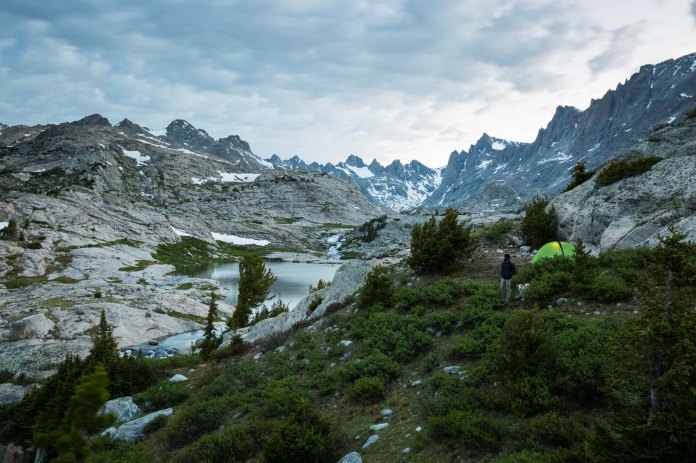
We hit Elkhart Park early and headed straight in for Seneca Lake, smack dab in the middle of the Winds. I’ve been wanting to do this trip for a decade… the infamous Titcomb Basin.

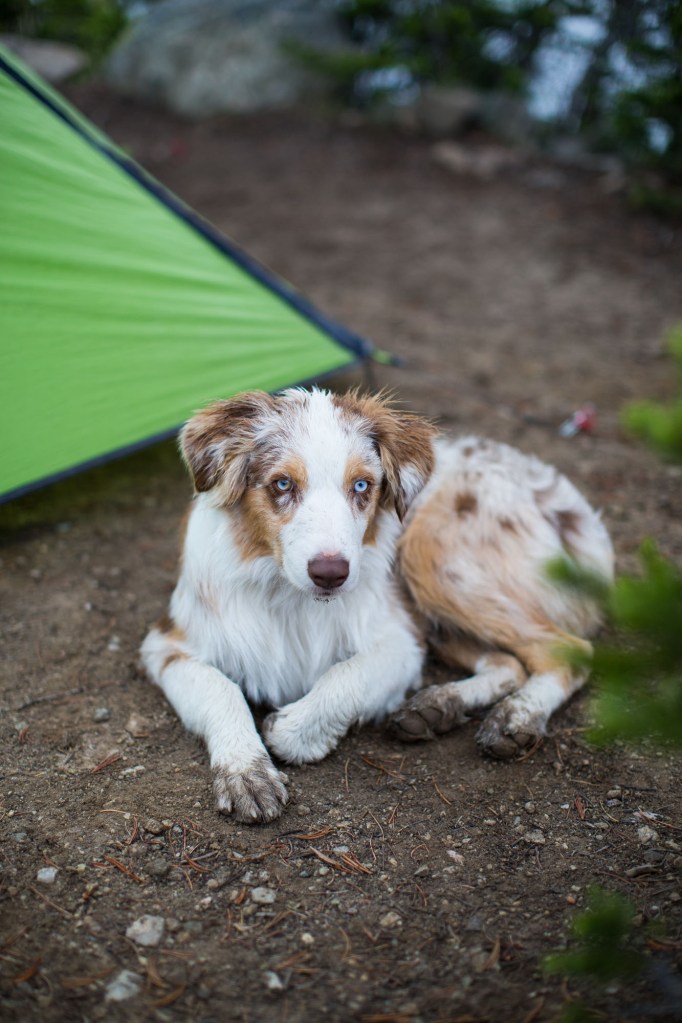
It was a moderate 8-9 miles in to Seneca the first day. Islay did amazingly well. This was her first backpacking trip, and though she’s too young to carry anything yet, she ran at least 2-3 miles for every one we did. She got to be off-leash the whole time, and she never strayed too far or got into too much trouble, and she got to sleep with us in the tent. Now this was a pretty big deal considering she’s slept in her crate every night of her life up to that point.
ars_wy_160704_3302

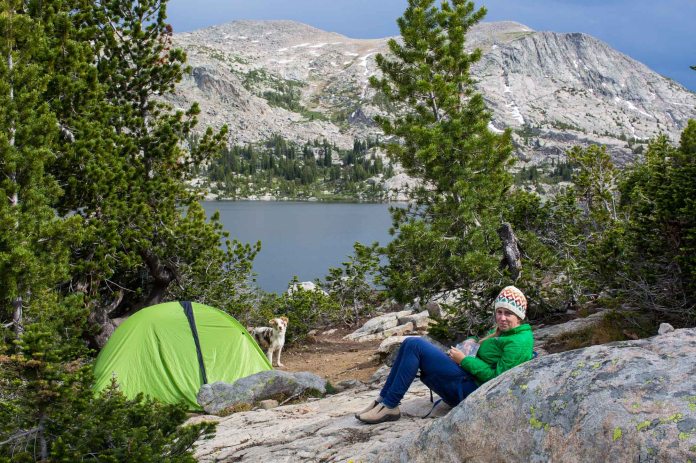
We made it to Seneca and set up camp. It was a beautiful spot.
ars_wy_160704_3311

ars_wy_160704_3321

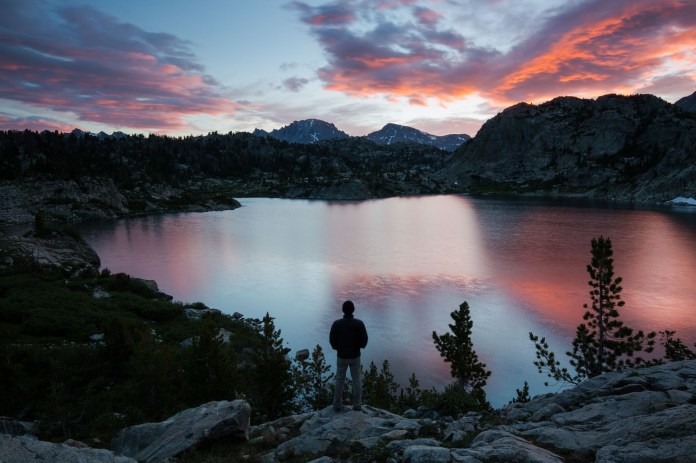
But we did realize one important thing from that first day of hiking… our backpacks and shoes were way out-dated. It was going to be a painful trip.

11. The right gear is essential to a comfortable mountain backpacking experience.

I’ve known this truth deep down all my life, but I’d never done multiple extended trips so close together to really understand how important the right gear can be. We’ve also just never had the extra cash to throw at the problem. There’s always something else more pressing or important, and I don’t know if you’ve been in an REI lately, but outdoor gear is expensive!
ars_wy_160705_3744

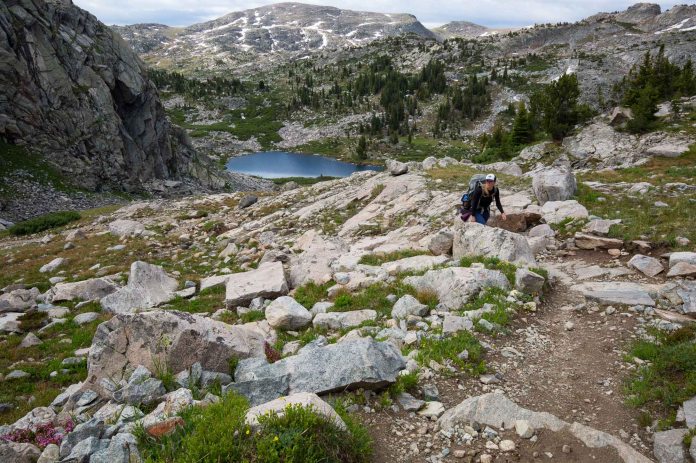
No amount of pain at this point though was going to stop us or dampen our spirits.

12. Pain is mostly mental.
ARS_WY_160705_3807

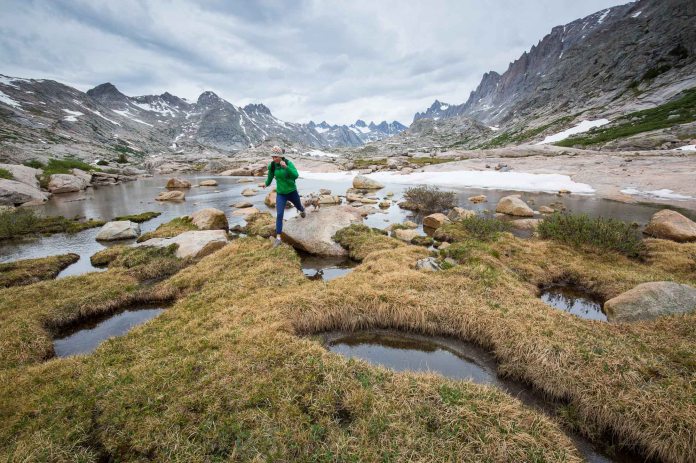
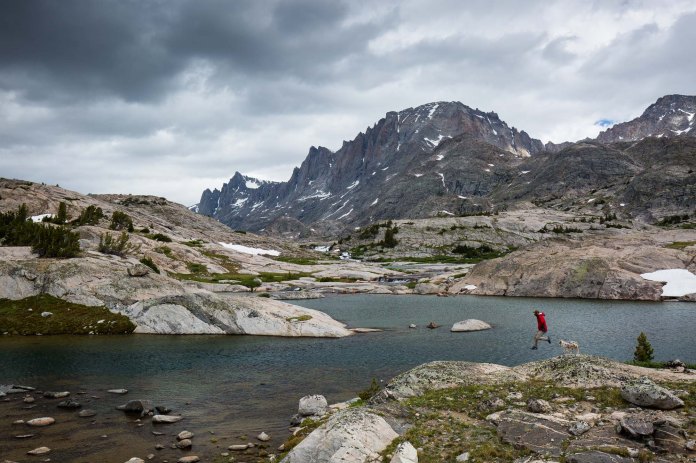
The Titcomb Basin has been called one of the most beautiful and striking places in the world. I couldn’t disagree at all. We did’t get the best weather for photography, but it was spectacular none-the-less.
ARS_WY_160705_3926

ARS_WY_160705_4408

ARS_WY_160706_4450

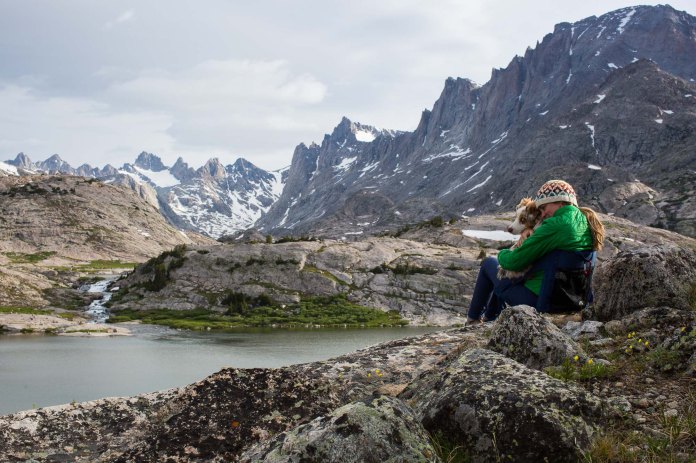
Our bond grew incredibly deep on this adventure with Islay. She would wake early with me and “assist” me as I shot sunrise. During the day, she would explore right beside us.
ARS_WY_160706_4552

ARS_WY_160706_4786

ARS_WY_160706_4854

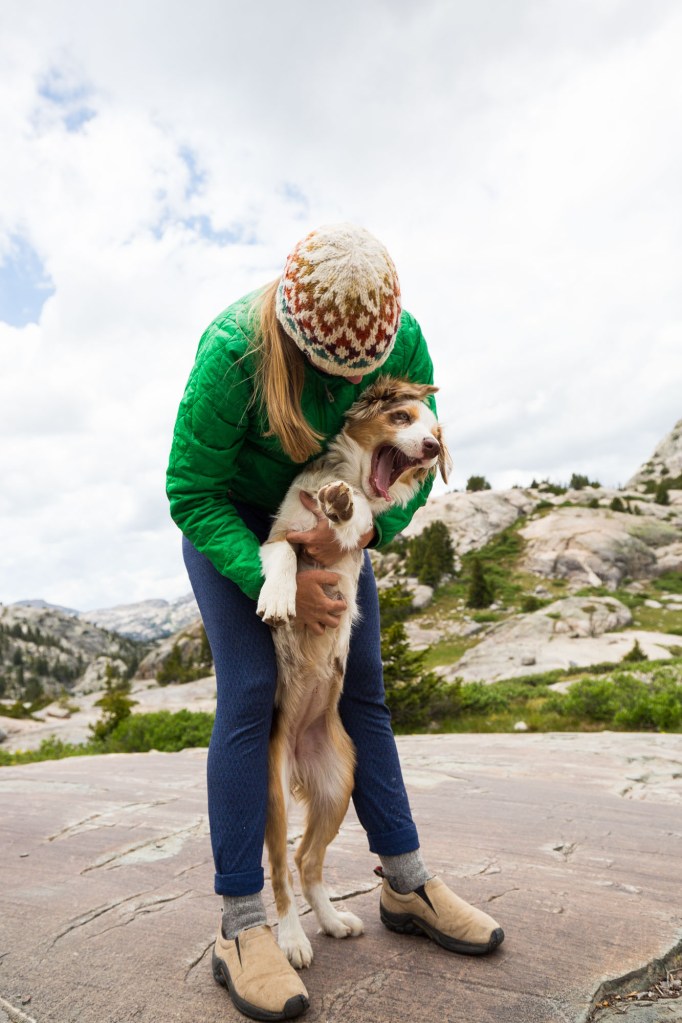
It was perhaps here, in the Titcomb Basin, that Islay Blue became a real part of our family.

I’ve never been “that dog person”. Don’t get me wrong, I’ve always loved dogs, but I never treated them like a member of the family. Well… here I am… one of “them”. Islay has become an indispensable part of our family. And all it took was a few thousand miles sitting on the center console of the truck, her quirky personality, hilarious morning antics, a few near-death experiences, and a wilderness excursion for the ages.

Ask Ellen, I’ve become a total softy when it comes to that dog. She freaking gets away with murder when she’s with me.

13. Dog people have it all figured out. :)

… to be continued…

ARS_WY_160706_5018

— Andrew


Ellen and I have hit the road full-time! We are on a mission to inspire and educate everyone on the importance of getting outside. Check out my workshops and my prints, made #ontheroad in my mobile print studio. The revenue will help propel us further and further on this great adventure. Enrich yourself and others… and feel great about it too as you’re helping to ensure our wild lands are cherished and to keep the wild spirit of the American Dream alive. Our goal is to visit all 59 National Parks in 2-4 years. LEARN MORE ABOUT WHAT WE’RE DOING HERE


Want to learn photography and enjoy a guided experience? Check out my exciting, NEW workshop dates:
 
TELLURIDE // LANDSCAPE + MOUNTAIN LIGHT // 2016 – SOLD OUT
TELLURIDE // LANDSCAPE + MOUNTAIN LIGHT (Trip 2) // 2016 – ONLY 2 SPOTS AVAILABLE
LOCAL + PRIVATE WORKSHOP // 2016 – AFFORDABLE RATES FOR ME TO COME TO YOU
BIG BEND // LANDSCAPE + NIGHT SKY // 2017 – MOST POPULAR! 6 SPOTS AVAILABLE
LEARN PHOTO + CAMERA BASICS // DALLAS // 2016 – 20 SPOTS!
 
I’m excited to announce my “The Photographic Guide to Our National Parks” series of eBooks:
 
See what’s NEW + download your free Rocky Mountain National Park sample when it releases!
 
If you are interested in purchasing a “print from the road”, please check my prints for sale, or email me directly for a custom request:
 
Andrew R. Slaton | photographer // prints
 
If you are interested in licensing any of the images/ video from this post, please visit my stock agency:
 
Tandem Stills + Motion // Andrew R. Slaton
Image Brief // Andrew R. Slaton
  
For assignment work requests, please email me: andrew@andrewslatonphoto.com
 
Thanks for visiting AndrewSlatonBlog.com
 
all images and content © ARS Media, LLC 2016
Standard
random thought, wildlife

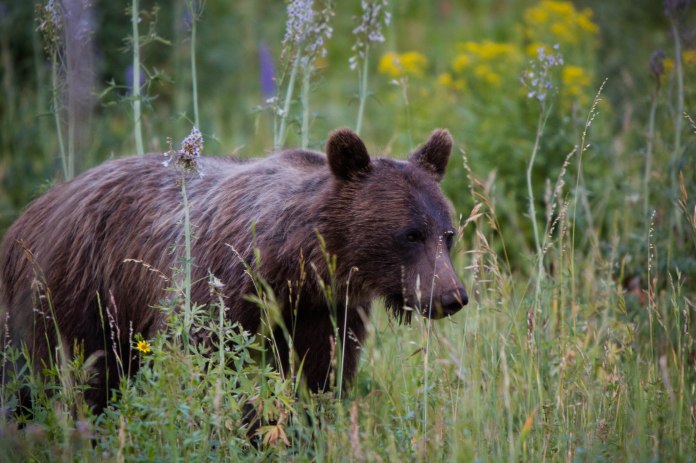
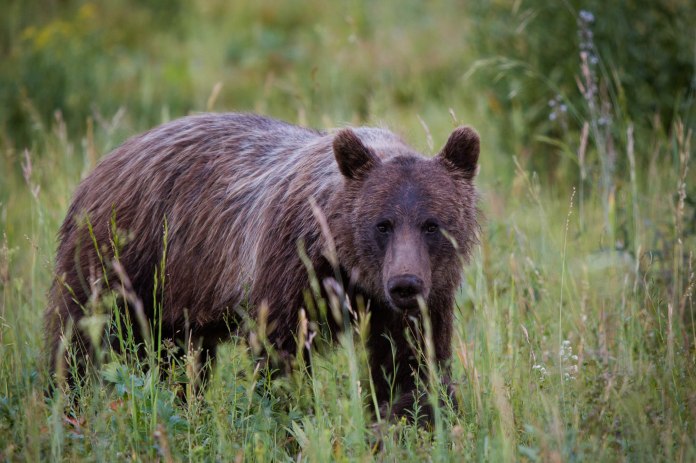
Delisting Grizzlies | Ensuring A Species’ Survival

The Endangered Species Act (ESA) is intended to lead to recovery and delisting, so long as adequate plans exist to assure recovery continues.

The ESA requires that the U.S. Fish and Wildlife Service prepare a recovery plan for species that are listed as threatened or endangered. For many years now, all of the recovery criteria established for Yellowstone grizzlies have been met or exceeded.”

— The National Wildlife Federation

Let me first state a fact: I am not a hunter. Nor do I have any desire to ever hunt bears, for any reason. I love bears more than any other creature on this planet… second only to dogs and (possibly) humans. I deeply care about their survival. And as a consequence, I have thought much about and researched extensively the best paths to ensuring their survival in the lower 48.

IMG_7989

But let me be clear; I am not an environmentalist. I am a conservationist. The former, I believe, is responsible for gross mismanagement of our wild places for far too long and leads to a mentality of “playing God” in places like Yellowstone.

Even though I personally do not hunt, I respect those that do. Especially and specifically when they responsibly use the whole animal for meat, clothing, etc. But there are a few other purposes that hunting serves, that many of us city-folk and academic types forget; non-human species are safer when they maintain a healthy fear of humans, and we humans, as the apex of all apex predators, are tasked with managing and keeping animal populations healthy. And sometimes that includes hunting for culling purposes.

According to Nick Gevock, an opinion columnist for High Country News, “It is true that such management might well include hunting… look at the remarkable track record of species that are currently hunted: Nearly every species of wildlife that hunters value has thrived in our country, and with sound scientific management, grizzlies can do the same, and even grow in both numbers and range. It’s difficult for many non-hunters to understand, but it’s a solution that works in Alaska with brown bears and can work in the Lower 48 as well.” He goes on to cite a study conducted by the Alaska Department of Fish and Game, “In fact, a study of four brown bear populations in Alaska — two populations in national parks that were not hunted and two adjoining populations that are — found that the hunted bears had larger litter sizes and better cub survival.”

IMG_7980

I find trophy hunting wasteful. On a personal level, I do not understand the appeal. But let’s look at the facts:

1. Hunters are typically some of the best conservationists on the planet.The US Fish & Wildlife Services states “The sale of hunting licenses, tags, and stamps is the primary source of funding for most state wildlife conservation efforts.” It goes on to say, “By respecting seasons and limits, purchasing all required licenses, and paying federal excise taxes on hunting equipment and ammunition, individual hunters make a big contribution towards ensuring the future of many species of wildlife and habitat for the future. By paying the Federal excise tax on hunting equipment, hunters are contributing hundreds of millions of dollars for conservation programs that benefit many wildlife species, both hunted and non- hunted. Each year, nearly $200 million in hunters’ federal excise taxes are distributed to State agencies to support wildlife management programs, the purchase of lands open to hunters, and hunter education and safety classes.” But more than just their tax dollars speaking loudly, hunters are also members of “local hunting clubs and national conservation organizations work to protect the future of wildlife by setting aside thousands of acres of habitat and speaking up for conservation in our national and state capitals.”

2. Hunting is very big business. According to the California Department of Fish and Wildlife “Hunting is much more than a traditional American pastime. It creates more than 700,000 jobs nationwide. New studies now show that annual spending by America’s 14 million hunters amounts to $22.1 billion. By comparison, and if hypothetically ranked as a ‘corporation,’ that revenue figure would put hunting in thirty-fifth place on the Fortune 500 list of America’s largest businesses, right between J.C. Penney and United Parcel Service.” This pumps much needed resources directly into local economies and important conservation/ research efforts. So whether you agree with hunting or not, it is a vitally important part of the conservation economy.

3. Humans are an important species within the world ecosystems. Environmentalism paints the picture that humans are the main problem with the environment, which in some respects may hold some truth. However, the movement is largely based on the mediocracy principle, essentially stating that humans are mediocre and no more special, exceptional, or superior to any other species. The movement has many well-meaning individuals who truly care about the natural world, but unfortunately this whole premise is flawed. Clearly humans are the dominant species, and I could argue are quite exceptional, special, and superior. This does not mean we are the “center of the universe” or the only species that matters, or that we should destroy the planet or leave other species decimated. It is not an either/ or. Therein lies the biggest fallacy. To many environmentalists, the choice is either to be on the side that is hell bent on destruction, or to consider ourselves no different from a dung beetle and therefore refuse logic and common sense policies. There is middle ground. It is called stewardship and conservation.

4. The Greater Yellowstone ecosystem includes a massive swath of land (nearly 6 million acres) that is much more than just Grand Teton and Yellowstone National Parks. Ranchers and others’ livelihoods depend on the bear’s fear of human conflict. They no longer fear people. A study in the 1990’s by Jon Swenson, Department of Biology and Nature Conservation at The Agricultural University of Norway (to read the full study, click here) observes in general that bears are more likely to avoid humans in areas where they are hunted than where they are fully protected. What makes things complicated is the availability of food when humans are present. Food storage and proper disposal is still a major issue in bear areas, regardless of hunting. A major rebuttal to the argument that hunting creates more fear in bears of humans is that there is no scientific evidence to support this claim. However, there is quite a lot of observational evidence dating all the way back to the 16th century in Eurasia to support the assertion, and so far, none to suggest that bears would somehow fear humans less or the same from if hunted. The responsibility is on us to be realistic, finding a way to coexist with less human-bear conflict which in the long run will help protect the species.

5. After delisting, grizzly bears will remain protected in the 3 National Parks they call home, and under special regulations in the surrounding states’ National Forests and designated Wilderness Areas. Hunting seasons and quotas will be limited and determined by biologists and conservationists projections, updated yearly to reflect proper wildlife management, just as they do with elk, deer, moose, black bear, big horn sheep, etc.

Anyone who spends much time in grizzly country, especially hunters, know that an unfortunately large segment of these bears have grown to associate humans with easy food. When an elk hunter fires his rifle in grizzly country, he/ she knows that it is only a matter of time before a bear will show up. This is potentially the exact opposite of what we might have after a few generations of bears that experience being the prey of (now) predator humans. They will try to get as far away from gunshots as possible. See the aforementioned Swenson Study.

This very simple fact could save dozens of bears lives every year that otherwise would get into conflicts with humans because they lack any fear of us. And we all know that the bear loses when it gets into human conflict. Protocol is usually to relocate the “problem” bear first, or to dispatch (kill) it. The fact is, the government killed 31 grizzly bears in 2015, for various reasons, mostly due to human-bear conflict. Could these numbers be lower (or at least the same) with the introduction of a very limited-tag trophy hunt scenario?

ARS_WY_0710_0031

According to Chris Servheen, Grizzly Bear Recovery Coordinator for the U.S. Fish and Wildlife Service (USFWS), “the bears have met every criteria set in a recovery plan to have them removed from the Endangered Species List, or ‘delisted.'” If delisted, grizzlies would no longer be protected under the stricter Endangered Species Act (ESA) regulations, and would be managed by the six surrounding National Forests and to the states of Idaho, Montana, and Wyoming. The populations inside Grand Teton, Yellowstone, and Glacier National Parks would still be highly protected and managed by the National Park Service. If you would like to read the entire ESA, it is available as a pdf here.

Defenders of Wildlife, an organization who “is dedicated to the protection of all native animals and plants in their natural communities,” states, “Today, there are an estimated 1,800 grizzly bears remaining in five populations in the lower 48 states. Most of these bears are located in the Northern Continental Divide Population (including Glacier National Park) and the Yellowstone Population.” That includes the conservative estimate of 700+ in the Greater Yellowstone area.

Many conservation biologists argue against delisting, stating that it isn’t enough to protect grizzly bears if their habitat isn’t protected as well. Servheen counters that “the Service looks at more than raw numbers for delisting, including the present or threatened destruction or curtailment of bear habitat or range; overuse of habitat for commercial, recreational, scientific or educational purposes; disease or predation; the lack or inadequacy of regulations; and other natural or manmade factors affecting the population’s continued existence.”

“The key to success is adaptive management,” said Servheen. “As conditions and the needs of the bears change over time, management can change to address those needs,” he said. “I’m optimistic that the bears will be around for hundreds of years. All three state plans are good,” Servheen said, “and don’t have the political problems that have afflicted the ESA delisting plan for wolves.”

IMG_7986

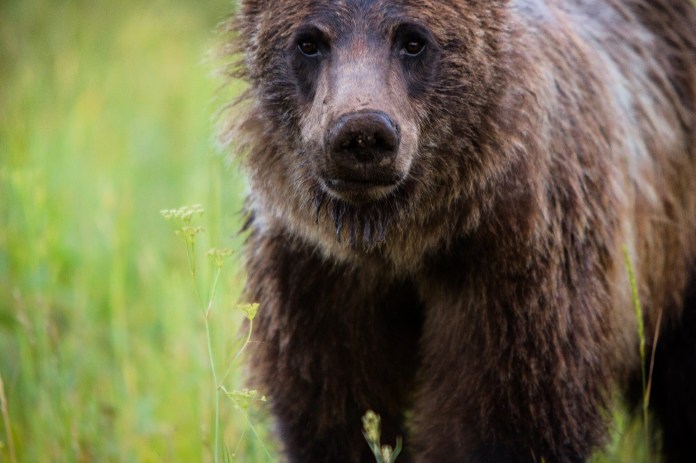
So what does all of this mean for these magnificent bears? Well, it means great news; grizzly bears in the lower 48 have made a remarkable recovery, thanks to the Endangered Species Act. It is a “huge conservation success story“, But it doesn’t mean they are out of the proverbial “woods.”

The states of Montana, Idaho, and Wyoming have already stepped up to create comprehensive plans to manage the grizzly bear populations and to protect them from a return to the ‘threatened’ status. What this all comes down to is ensuring that bears have adequate and sufficient habitat within which to roam and avoid dangerous human contact.

I simply want to start a dialogue here that is somewhere in between the two extremes. Anyone can say what they want about me, but my main concern is the great bear’s long term survival, and to me, that means less human-bear conflict.

From where I stand, I see two main groups that are on polar opposite sides, unwilling to meet somewhere in the middle to find a balance between what is right and good for bears, and what is reasonable and fair for humans. It doesn’t have to be that way. It is possible to ensure the survival (and thriving) of this magnificent creature, all the while, managing it’s territory and population to ensure the safety and livelihood of the people who live within the massive boundaries of the Greater Yellowstone Ecosystem.

I readily admit that I do not have all the answers. Neither do you or anyone else, but I invite you to share your thoughts and feelings here, in hopes that we can come to understand each other and work toward a common goal: protecting a true symbol of the wild, and maintaining a healthy grizzly bear population, for generations to come.

— Andrew


Ellen and I have hit the road full-time! Help us on our mission to inspire and educate everyone on the importance of getting outside by checking out my workshops and my prints, made #ontheroad in my mobile print studio. The revenue will help propel us further and further on this great adventure. Enrich yourself and others… and feel great about it too as you’re helping to ensure our wild lands are cherished and to keep the wild spirit of the American Dream alive. Our goal is to visit all 59 National Parks in 2-4 years. LEARN MORE ABOUT WHAT WE’RE DOING HERE


Want to learn photography and enjoy a guided experience? Check out my exciting, NEW workshop dates:
 
TELLURIDE // LANDSCAPE + MOUNTAIN LIGHT // 2016 – SOLD OUT
TELLURIDE // LANDSCAPE + MOUNTAIN LIGHT (Trip 2) // 2016 – ONLY 2 SPOTS AVAILABLE
LOCAL + PRIVATE WORKSHOP // 2016 – AFFORDABLE RATES FOR ME TO COME TO YOU
BIG BEND // LANDSCAPE + NIGHT SKY // 2017 – MOST POPULAR! 6 SPOTS AVAILABLE
LEARN PHOTO + CAMERA BASICS // DALLAS // 2016 – 20 SPOTS!
 
I’m excited to announce my “The Photographic Guide to Our National Parks” series of eBooks:
 
See what’s NEW
 
If you are interested in purchasing a “print from the road”, please check my prints for sale, or email me directly for a custom request:
 
Andrew R. Slaton | photographer // prints
 
If you are interested in licensing any of the images/ video from this post, please visit my stock agency:
 
Tandem Stills + Motion // Andrew R. Slaton
Image Brief // Andrew R. Slaton
  
For assignment work requests, please email me: andrew@andrewslatonphoto.com
 
Thanks for visiting AndrewSlatonBlog.com!
 
all images and content © ARS Media, LLC 2016
Standard
random thought, travel

How To Travel All The Time… Forever

Ellen and I get asked all the time, “How do you do it?!?” With baffled looks, most people begin to wonder whether we are trust fund babies or maybe secret oil barons.

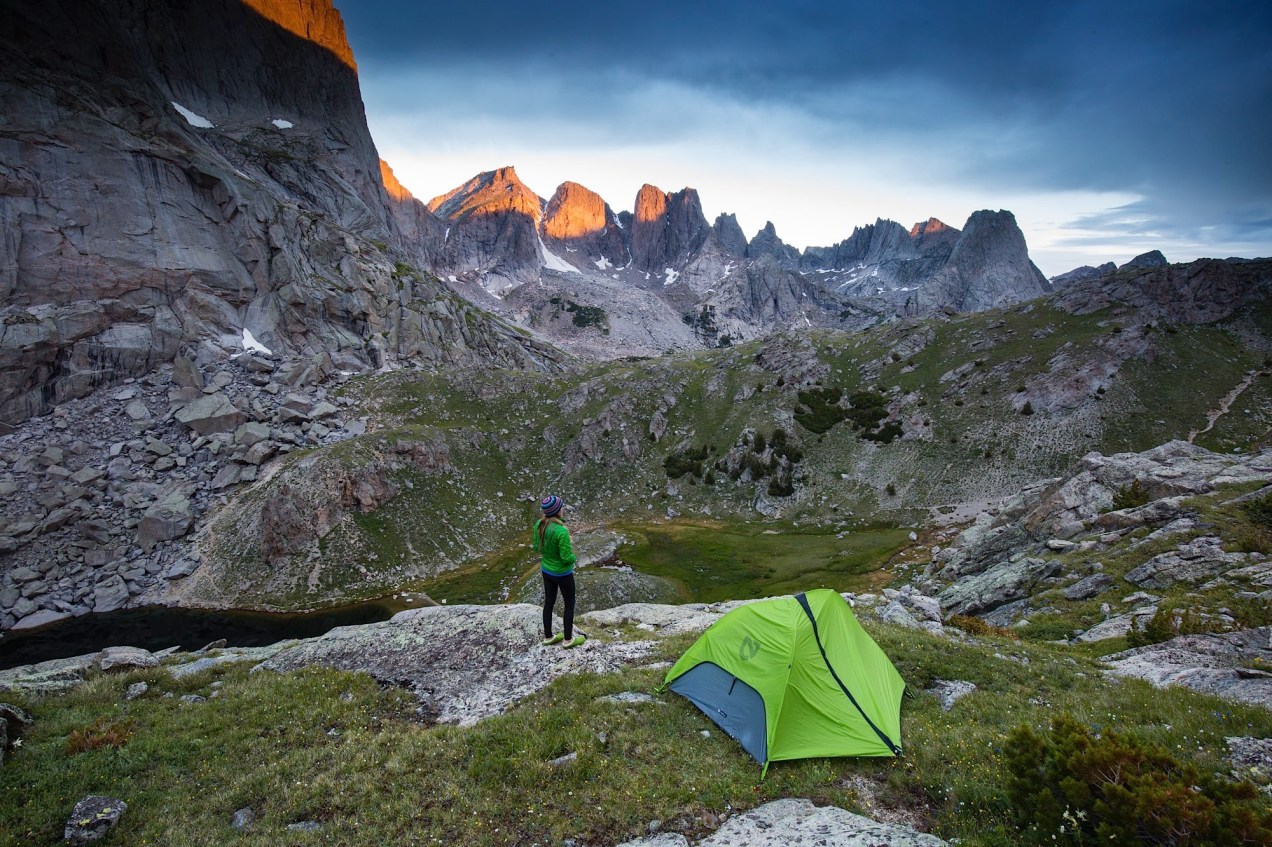
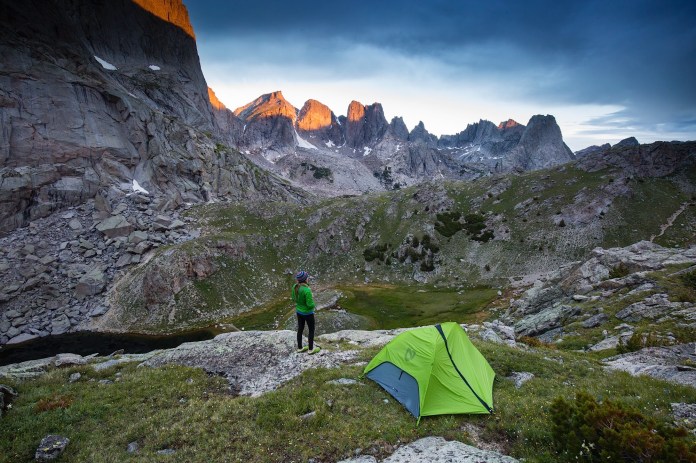
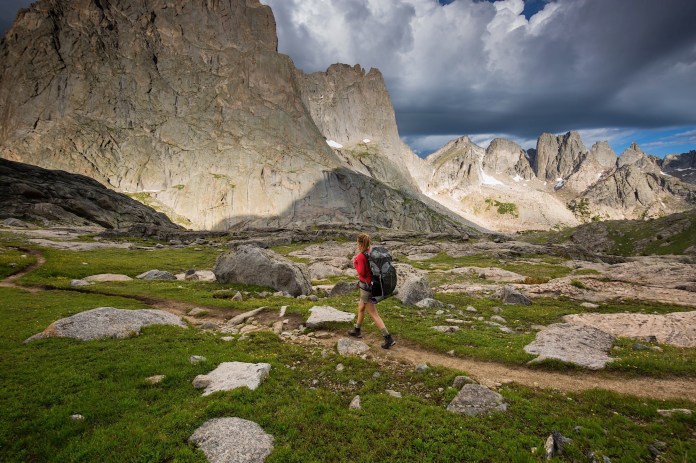
Ellen slaton hiking and camping the Cirque of the Towers

Well the truth is, neither of us come from any money at all, and contrary to popular belief, photographers and yogis really don’t necessarily make a ton of cash. So we’ve learned to be… well… resourceful.

ARS_WY_150713_9078

ARS_WY_150713_9179

Ellen slaton hiking and camping the Cirque of the Towers

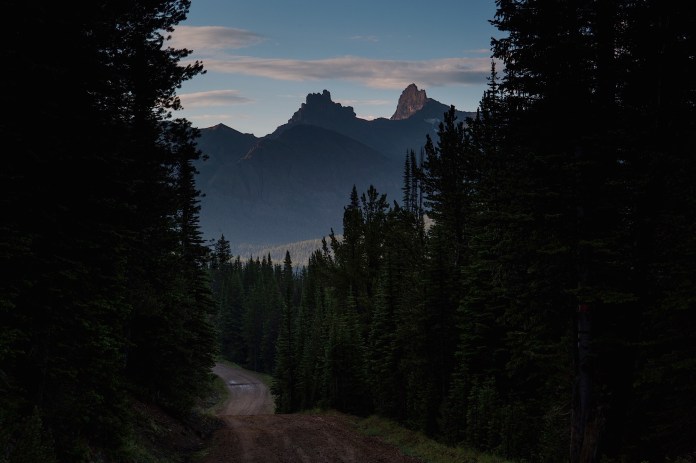
The road to Willow Lake

Don’t get me wrong, we do just fine and feel so blessed to be able to do what we do and not worry about paying our bills or having enough food for our bellies… most months :)  “So what’s the secret?” you may ask.

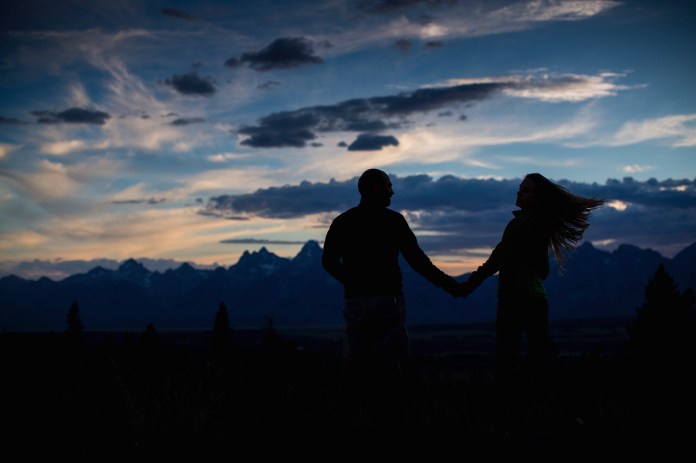
silhouette of a man and woman holding hands at dusk with the Tetons in the background

We don’t have children, spend much money on clothes, or even own a home. We have chosen to “invest” our money in experiences. True, they are fleeting, and probably we won’t be able to retire until… well… ever.  But when I think about it, we would both do what we’re doing if no one was paying us, so why would we ever make a goal to retire from our passions??

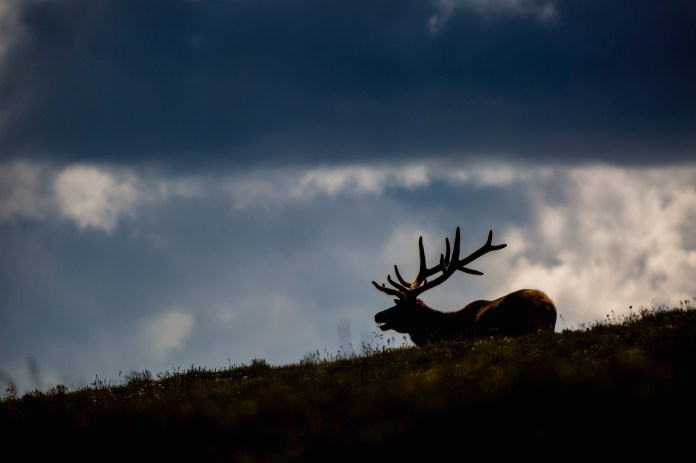
Rocky Mountain Bull Elk, Rocky Mountain National Park, CO

Here’s the deal; we have very different priorities from most folks our age.  And that’s okay.  Our way is not better than the folks that prefer the security of a steady job, and making sound financial investments, and sacrificing their lives to raise children.  In fact, those are all wonderful and even very noble things.  But they aren’t what God has called us to in our lives. At least not yet.

So for now, we travel.  And I might even venture to say we’ve gotten pretty good at it. So I’d like to share a few things that we’ve learned over the years to cut costs and keep the dream alive.

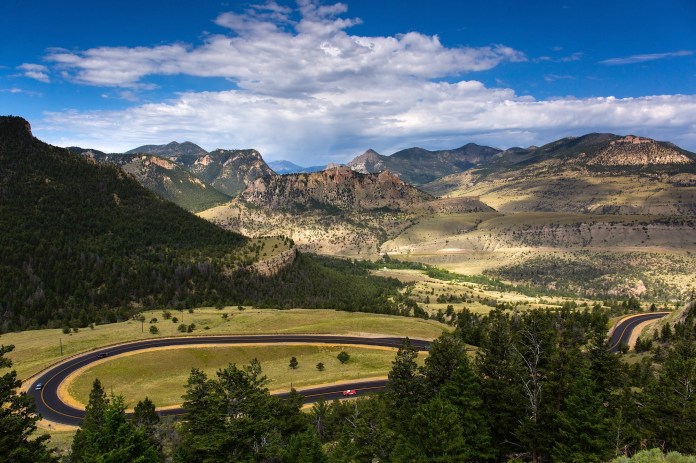
Sunlight Basin Road (Chief Joseph Scenic Byway, Wy

Ellen slaton hiking and camping the Cirque of the Towers

Early morning on Lulu Pass in Gallatin National Forest near Cooke City, MT

First thing’s first… once you’ve determined the where, you have to be able to calculate whether it will be cheaper to drive there, or fly and rent a car, or take public transport. It’s not as hard as it may seem. Figure out your gas mileage and divide that by your calculated total driving distance (I recommend very liberal estimates… better to over-prepare and stay under budget than the reverse), then multiply that number by the average price per gallon of gas.  There’s your travel cost for driving.  Sometimes even though driving may be cheaper, the amount of time (including food + lodging) ends up making it a better deal to fly. Know when to say when is too far a distance to drive.  For me, there is no such thing. Except for ocean crossings! But a deal is a deal, and if I can fly for cheaper, then that’s what I’ll do.

van life, early morning on Lulu Pass in Gallatin National Forest near Cooke City, MT

Travel is your first major cost that you can’t really get around. It’s essentially fixed.  The next few elements are more variable, depending upon your resourcefulness and desired comfort level.

Coleman tent with Tetons in the background

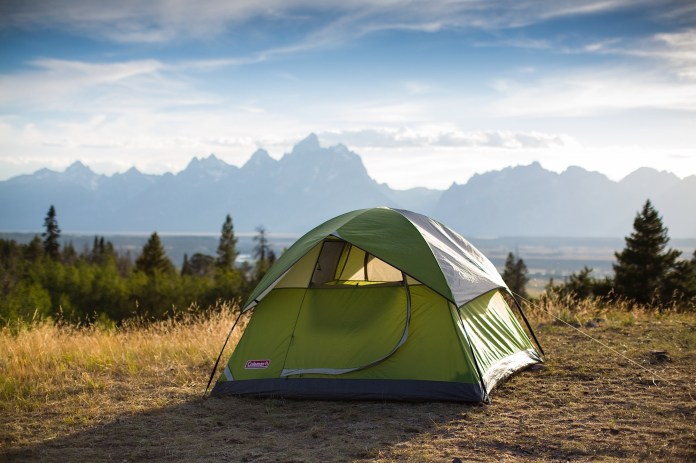
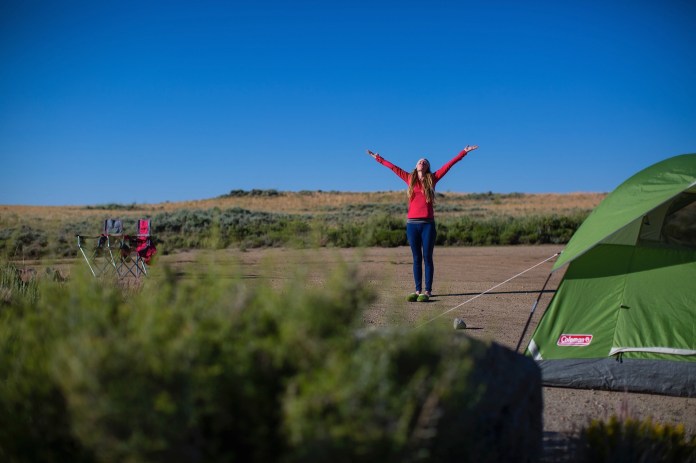
Lodging is something that Ellen and I have down to a fine art. Most locations we visit we camp 6 out of 7 nights.  So for our three week Pacific Northwest trip, I only budgeted for three nights in a hotel.  This saves you… big time.  You can expect to camp for an average of $0-35 per night, depending upon the state/ country you’re in, and what regulations they have.  This info is super easy to find nowadays online. I recommend camping in undeveloped National Forest campsites as much as possible. They are free and usually the most beautiful and quiet. Developed sites usually cost between $5-20.

Camping is hands down, the best way to save money, making it possible for you to travel all the time.

ARS_WY_150716_9771

Sunrise over the Winds near Soda Lake, lit Nemo Tent, man camping

Food is the next (somewhat) variable expense.  We try not to eat out much on the road, as it is typically unhealthy and expensive. But it’s not always easy to travel with groceries. Especially if you elect to fly, coolers can be a hassle. But you can always pick up a $2 styrofoam cooler at Walmart, and that will give you a huge advantage when on the road.

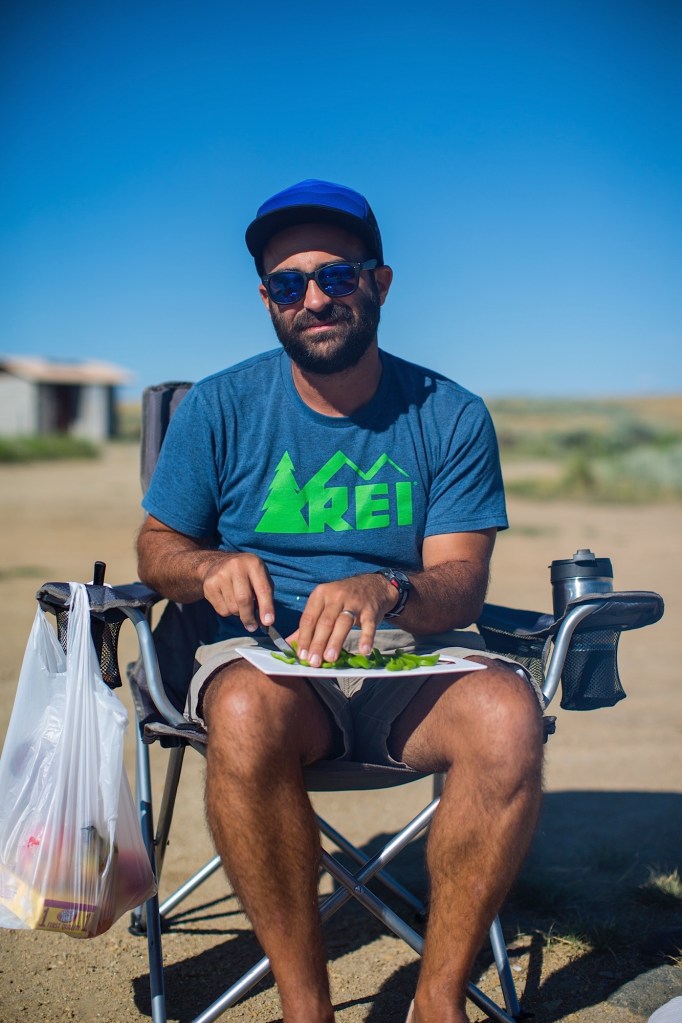
If we’re driving, we bring a regular sized cooler, and keep just the essentials in our car at all times: breakfast (coffee, eggs, butter, yogurt, granola), lunch (peanut butter & honey, tortillas, chips, fruit), dinner (veggies, meat), and snacks (nuts, crackers, snack bars, water, etc.). Clearly, this kind of living is not everyone’s cup of tea.  Especially in the U.S.  But the fact is, many of the people of the world live this way because they have to. Sometimes I think of that fact when I’m growing weary of living out of my car, eating peanut butter and honey.

ARS_WY_150716_9796

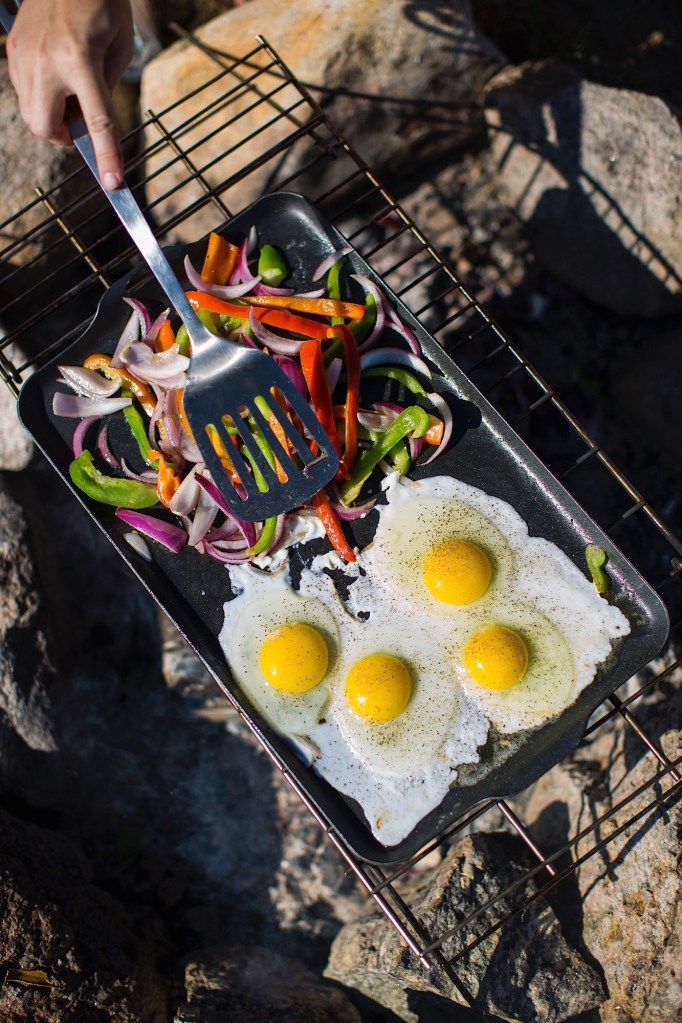
Cooking over an open fire really can be such a simple way to “spice up” your meals.  Just some fresh veggies and meat (or eggs even!) will break the monotony (and unhealthy nature) of eating on the road.

ARS_WY_150716_9812

And chopping wood is might fine workout, and often free fuel.

ARS_WY_150717_9994

ARS_WY_150717_4006

The truth about travel is that it can be really expensive.  But it doesn’t have to be. You just have to have a realistic budget, a good dose of planning, and expectations to match the budget.  If you desire to travel, but don’t have cash to throw around, just be truthful with yourself and manage your expectations.

Morning brings dramatic light on the Winds

Oh yeah… one more thing that’s really important… work. Most folks with steady jobs can’t just pick up and travel all the time, forever. Well, if travel is your thing, I would sincerely consider a career change. But really, nowadays, a lot of jobs can be done remotely. There’s nothing wrong with working while you travel.  That’s what we do. It’s rare that we take an actual “vacation”.

So it may be worth having a sit down with the boss to see if you have the option of working remotely.  Because if not, it may be back to square one.  But there are a lot of ways to make a living from the road.

Travel writers, food bloggers, consultants, photographers… people are even making money from their Instagram following. If you have something to say, there are advertisers that will gladly partner with and enable you to make a decent living from the road.

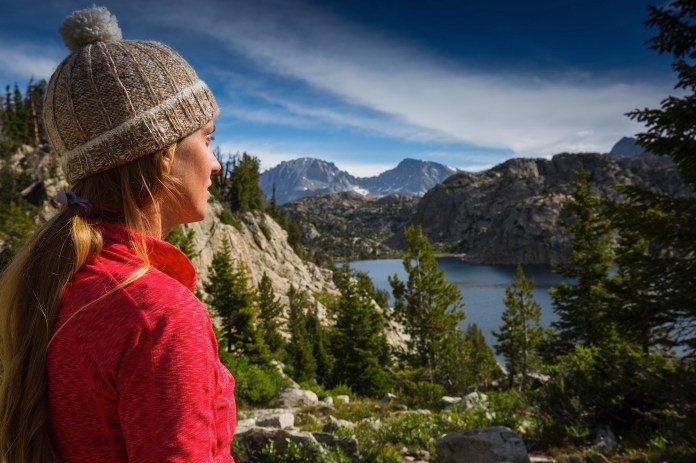
Ellen Slaton hiking to and looking out over Seneca Lake in the Wind River Range

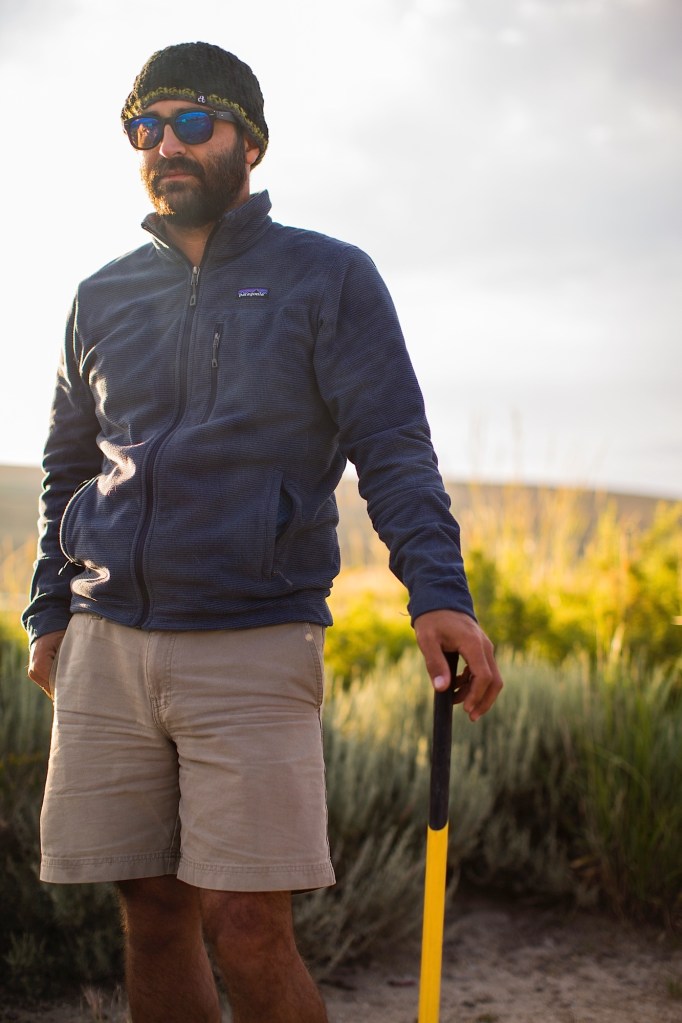
All of the images in this post are from a Wyoming/ Montana/ Colorado road trip we did this summer. We partnered with Ambler, a fantastic hat company out of Canada to make it happen, and it opened my eyes to the possibilities.  They’re out there.

Ellen Slaton hiking Bridger Wilderness

When wanderlust takes hold, it can be insatiable. And those of us who aren’t independently wealthy need to get creative to carry out our dreams.

Don’t let life on the road intimidate you… you might find it as exciting and fulfilling as we do…

— andrew


Join me on an amazing adventure… check out my exciting, NEW workshop dates:
 
Big Bend NP // Night/ Landscape // 2016
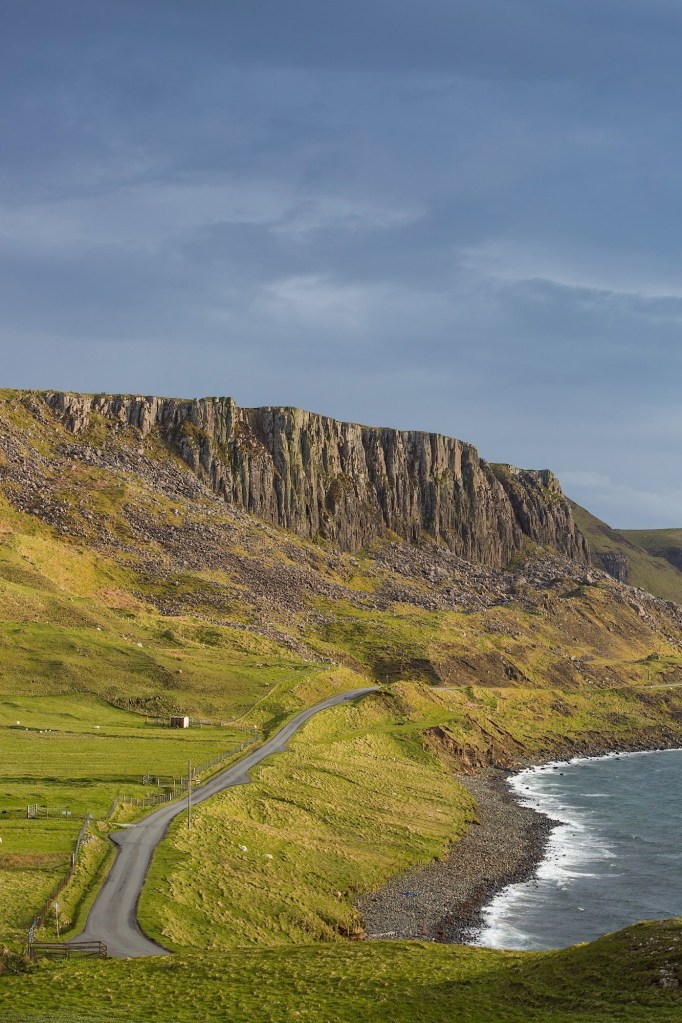
Isle of Skye // S C O T L A N D // 2016
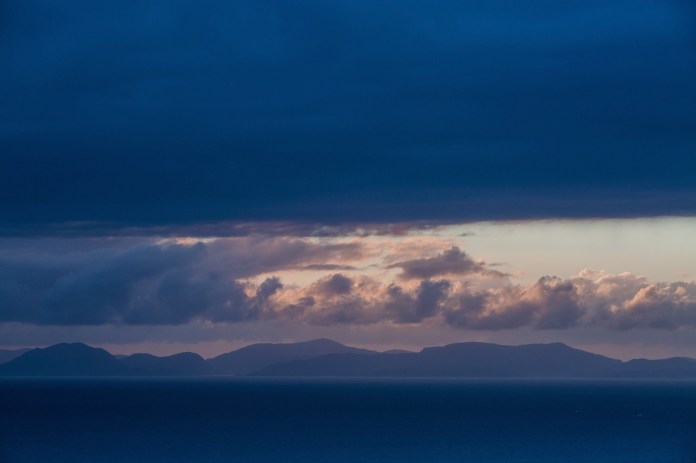
Highlands // S C O T L A N D // 2016
 
 
If you are interested in licensing any of the images/ video from this post, please visit my stock agency:
 
Tandem Stills + Motion // Andrew R. Slaton
Image Brief // Andrew R. Slaton
 
If you are interested in purchasing prints from this post, please check my prints for sale, or email me directly for a custom request:
 
Andrew R. Slaton | photographer // prints
 
For assignment work requests, please email me: andrew@andrewslatonphoto.com
 
Thanks for visiting AndrewSlatonBlog.com!
 
all images and content © ARS Media, LLC 2015


Standard
random thought, travel

Planning An Epic (International) Road Trip // SCOTLAND

Trying to plan road trip can be intimidating for the uninitiated.  But planning an international road trip can be downright terrifying.

There are so many unknowns when hitting the open road in a foreign country that it can paralyze even the most seasoned traveler.

So I’d like to share a few things I’ve learned over the years about road trips, and more specifically now, road trips on foreign soil.

If you haven’t read them yet, I have created a lot of content on planning epic road trips, so if you’re new to the subject, I would recommend checking out these posts:

Planning an Epic Road Trip // Intro

Planning an Epic Road Trip // The Destination

Planning an Epic Road Trip // The Plan

Planning an Epic Road Trip // Equipped

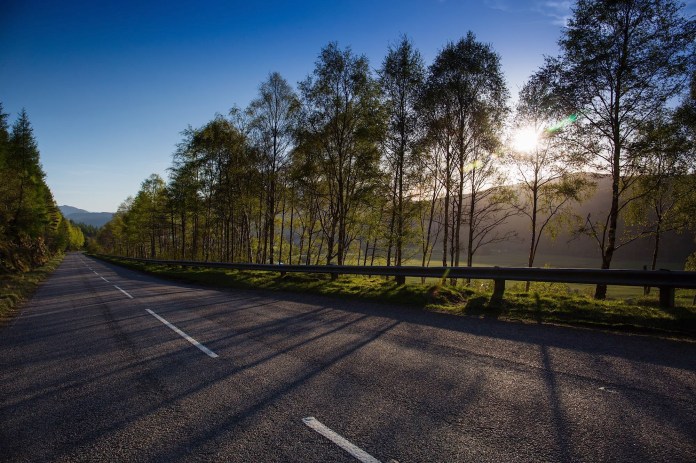
The road to Glencoe and surrounding mountains

The road to Glencoe and surrounding mountains

1.  Know Your Destination

First thing’s first.  Research the heck out of the country to which you’re traveling.  Whether your final destination is South Sudan or Norway, put in the time and effort researching the country’s customs, laws, and even safety for drivers.  If it’s a conflict zone, I would  recommend having a guide/ driver, getting the max amount of insurance, or not going all together!

For up to date travel safety info, check out The U.S. State Dept. Website.  Also, your local AAA office has a massive wealth of resources when entering into the initial planning phase.  You can also obtain your international driver’s license from AAA for $15.  It’s generally not necessary, but could definitely come in handy in certain places, so why not.

the road to Glen Afric, Scotland

the road to Glen Afric, Scotland

2. Know Thyself :)

Be honest with yourself.  Set yourself up for success and a good time.  If you’re the type of person that get’s stressed and loses it when road tripping in the States, your style may not be to hit the open road in a foreign land.  And that’s okay!  There are plenty of fantastic options for travel that don’t include the adventure (or headache, depending on how you look at it) of renting a vehicle, driving on the other side of the road, navigating round abouts and/or one lane, windy paths, and mapping routes in a different language.

Wildflowers in spring bloom along the east coast of Scotland

Wildflowers in spring bloom along the east coast of Scotland

3.  Prep, prep, prep

There is so much prep work that goes into any road trip, much less a trip to a different country… much less a road trip in a different country!  Here are a few things I know will help.

Call your car insurance company to see if you are covered in foreign countries… typically you are not, so I would go ahead and get secondary insurance either through the car rental agency or through a trusted international travel insurer.  There is nothing worse than having an accident.  Oh wait, yes there is!  Having an accident while on vacation.  Trust me, it’s worth the extra cash!

Get all the necessary maps, and actually look at them before you’re in the driver’s seat!  Make sure you can adequately read the maps.  They may be in a foreign language.  But don’t just look for the English maps, because it may confuse you even further when you’re on the ground…  The local signage will often not include the English :)

Learn a few key phrases of the local language.  You’re definitely going to have to stop for directions at some point (just get over it).  And I cannot tell you how much of an icebreaker it is to at least try to speak to folks in their native language.  They always appreciate it, and often, people speak enough English that you can communicate with one another, albeit primitively.

Leave your itinerary open for minor changes.  Definitely have a master route planned.  And book a few hotels ahead of time in key spots you know you’ll visit.  But don’t create such a rigid itinerary that you’ll annoy any travel buddies to death or even miss out on unexpected opportunities or adventures!  That’s what travel is all about, after all.

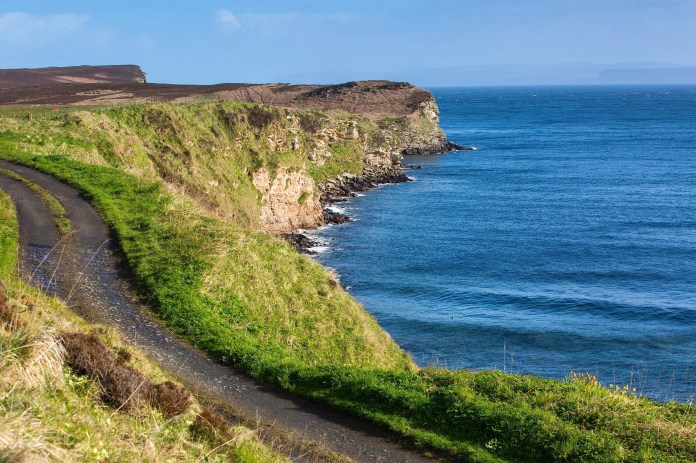
the cliffs near dunnet head

the cliffs near dunnet head

the main road through Dunnet

the main road through Dunnet

The River Abhainn An Lethuillt with wildflowers and dramatic morning light and clouds

The River Abhainn An Lethuillt with wildflowers and dramatic morning light and clouds

The Northern edge of the Totternish Range on skye

The Northern edge of the Totternish Range on skye

A dramatic sunset over he Isle of Harris from Rubha Hunish

A dramatic sunset over he Isle of Harris from Rubha Hunish

*Other Highly Recommended Preps:

Call your cell phone provider and consider a temporary international plan ahead of time.  If for nothing other than texts and data, this might be the way you want to go.  You can communicate with family and friends cheaply and easily via text, and use your data to navigate and locate yourself or hard to find destinations.

Know what size car you need!  You may not have as much gear as me, and I would always recommend getting the smallest, most fuel efficient vehicle possible… just make sure you have enough room!  Most other countries do not have the huge cars and roads we have in the U.S., and gas prices can be way more expensive.  The smaller the car, the better.  I find there are many more “tight squeezes” while driving over seas.  It’s also common to have to pay a lot more for automatic transmissions.  If you’re comfy with manual, save the money and go manual.  However, be aware that the stick shift may be on the left side instead of what we’re used to on the right.  Be a smart, savvy traveler!

A Renault Captur hatchnack navigating the dirt trails of Dunnet Head

A Renault Captur hatchnack navigating the dirt trails of Dunnet Head

Along with currency, be prepared to convert gallons to liters. If you’re like me, you’re thrifty, and you track every dollar when you’re traveling.  Well, in case you were unaware like I was the first time, the rest of the world works on the metric system, so it can be a bit confusing when you’re trying to figure out how much gas mileage you’re getting, when everything is in liters per kilometer.  There’s an app for that!  Actually several.  Find the one that works for you.

Don’t forget your chargers and cords.  Nearly all cars you’d drive will have the traditional “cigarette lighter” outlets you’re used to.  This could be your best (or only) way to charge your devices!

Use google maps, or other software like it, to plan your route ahead of time.  And now with smart phones, you can take it with you to help along the way.  This was our route in Scotland…

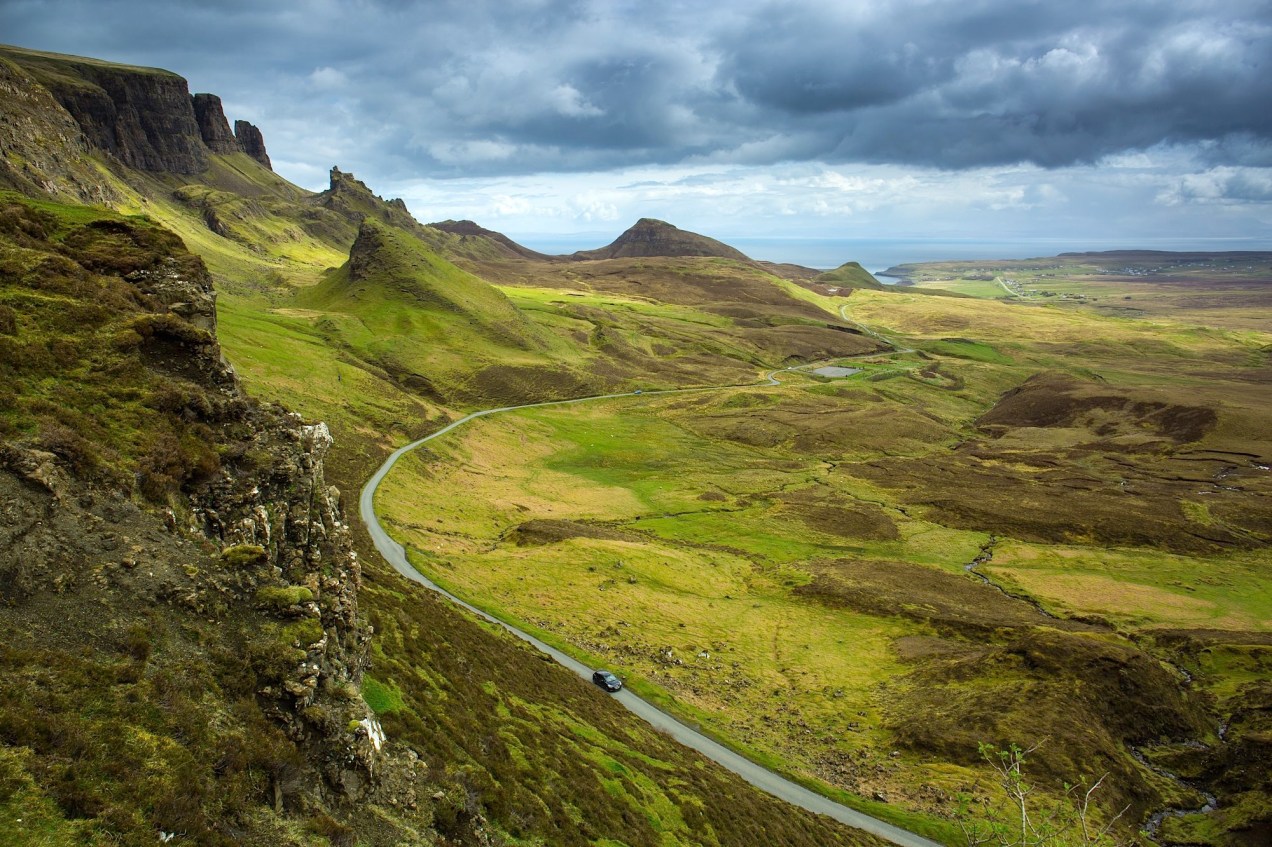
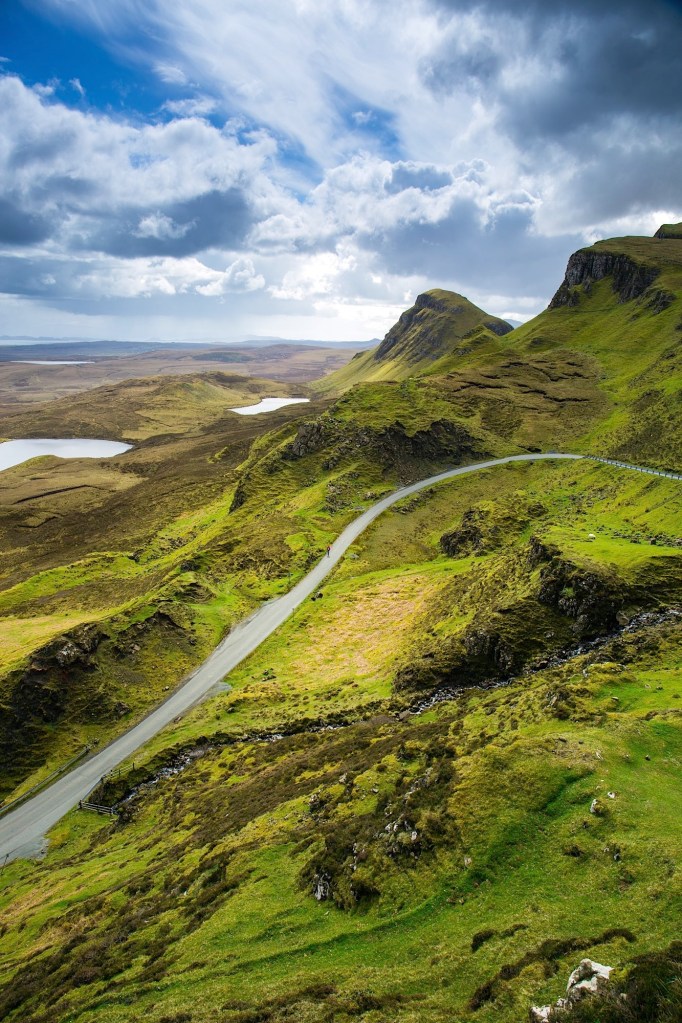
The Quiraing

The Quiraing

A855 leading up to Storr and the dramatic Totternish Range on the Isle of Skye

A855 leading up to Storr and the dramatic Totternish Range on the Isle of Skye

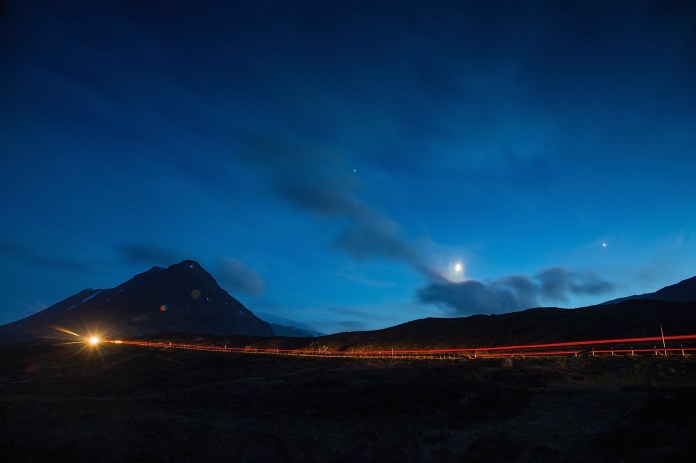
Moon and stars as cars passing on A82 near the River Etive

Moon and stars as cars passing on A82 near the River Etive

There is so much beauty out there to see, and often times, the only way to see it is behind the wheel.  So don’t be afraid, just educate yourself, use every resource possible before and during, and get out there to find your adventure!

All in all, try to have that good blend of laid back/ adventurous mixed with some detail oriented/ planner, and your trip will be glorious.  Oh yeah, and be a courteous driver… it goes a long way… just about everywhere.  **Just don’t ask my wife if I am one… she’ll probably lie and say I am, fingers crossed behind her back. :)

— andrew

P.S. If you’ve learned anything during your travels that you think might be helpful to others that I’ve left out, please let us know in the comments!


Take your photography to the next level… check out my exciting, NEW workshop dates:
 
Isle of Skye // S C O T L A N D // 2016
Highlands // S C O T L A N D // 2016
Big Bend NP // Night/ Landscape // 2016
 
 
If you are interested in licensing any of the images/ video from this post, please visit my stock agency:
 
Tandem Stills + Motion // andrew r. slaton
 
If you are interested in purchasing prints from this post, please check my prints for sale, or email me directly for a custom request:
 
andrew r. slaton // photographer // prints
 
For assignment work requests, please email me: andrew@andrewslatonphoto.com
 
Thanks for visiting AndrewSlatonBlog.com!
 
all images and content © ARS Media, LLC 2015


Standard