i have always loved zoos. some of my earliest and fondest memories include family trips to the famous ft. worth zoo, where i would gaze at the magnificent creatures before me. i believe that these early visits actually cultivated my great love for animals.

however, i went to the zoo just the other day, and had quite a different experience altogether. now, don’t get me wrong here – i am by no means a supporter of PETA, nor do i hold animals in higher esteem than humans. i simply saw the zoo, for the first time, in a very depressing light. i’m beginning to rethink my ideas about human/ animal interaction.
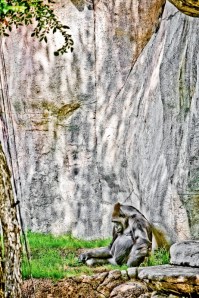
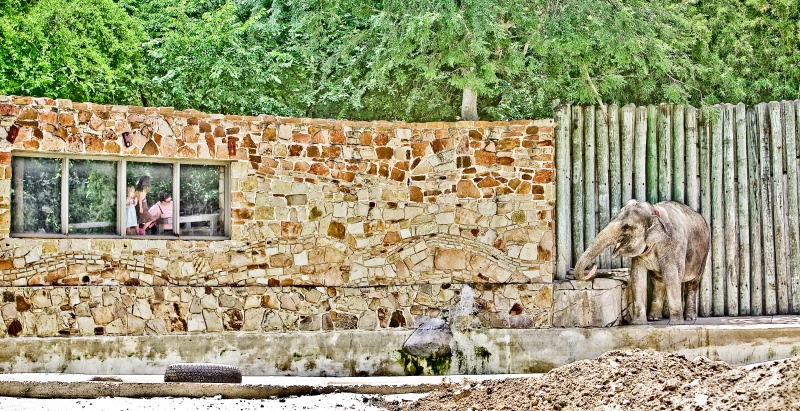
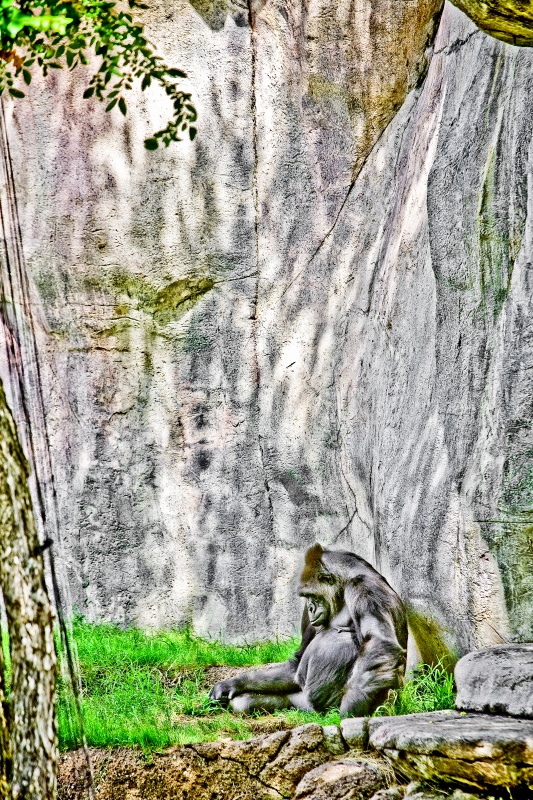
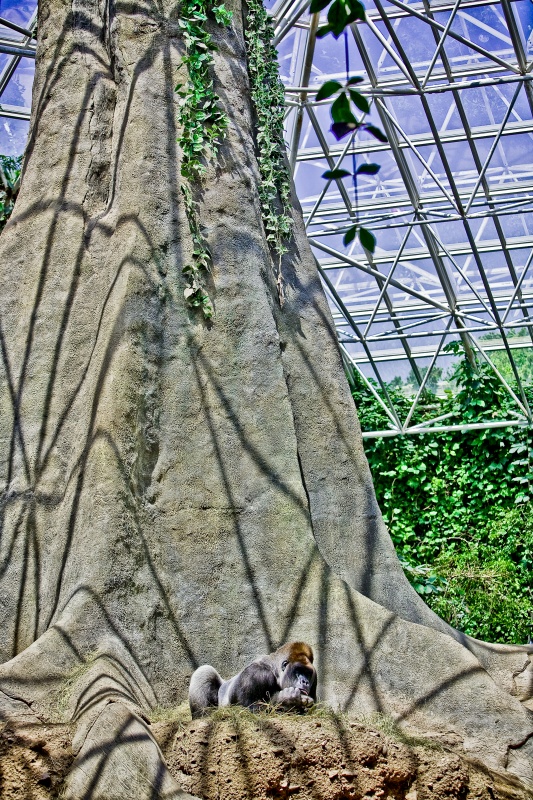
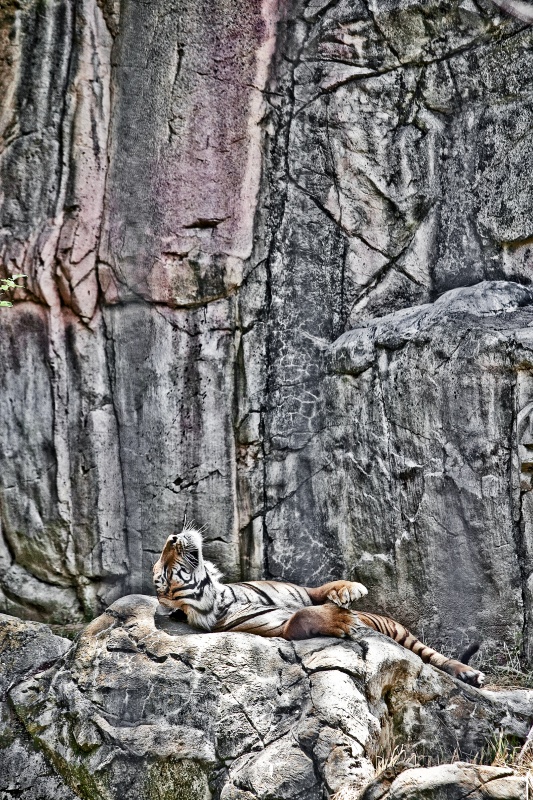
to further explore this concept, i’m starting a series on “caged animal” portraits.

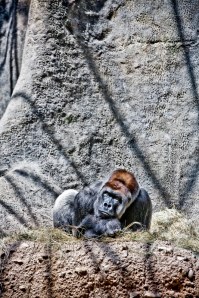
i’m not trying to contribute to some “great” cause or anything, i’m just trying to see something from a different perspective than before, and i believe this is worth pondering. i hope the photographs speak for themselves.
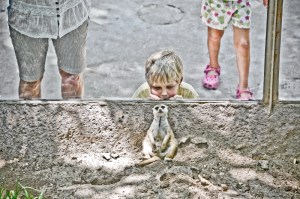
thankfully, in all the tragedy that is our world, there remains beauty and humor as well. i hope that some will find all three in a few of these images…
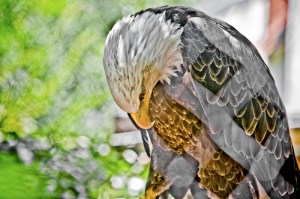
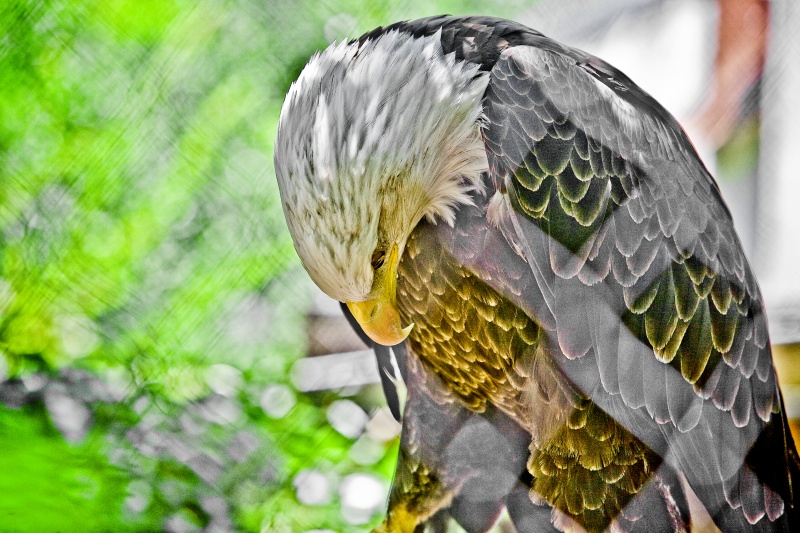
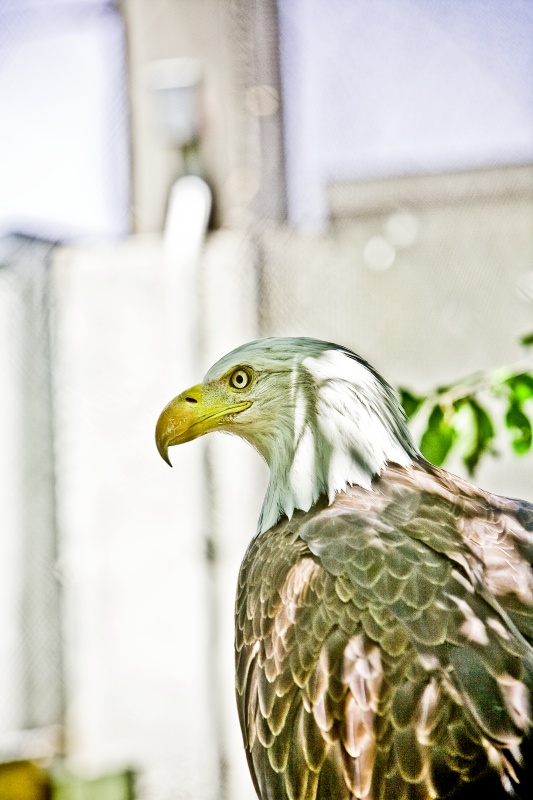
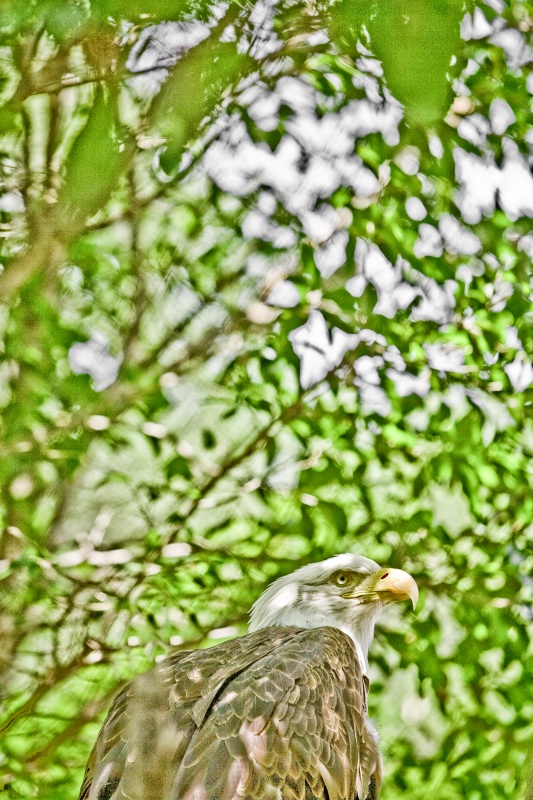
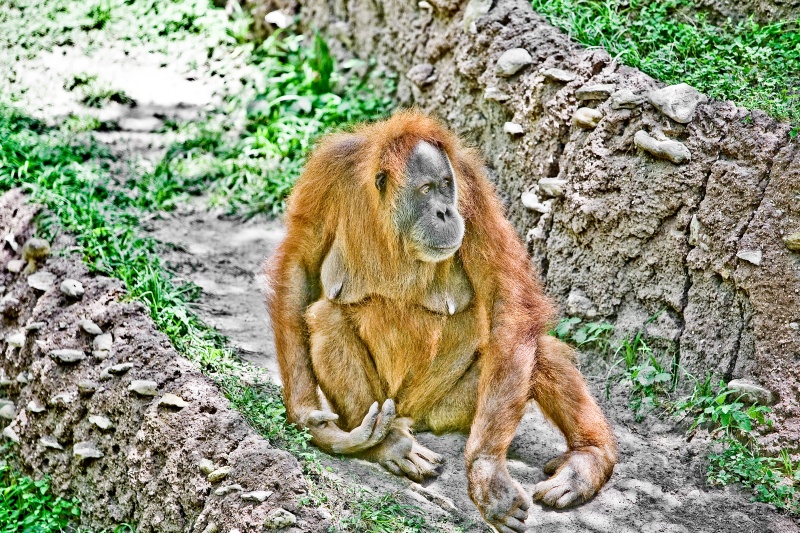
the primates exhibit an obvious parallel to our own mental malaise. but what really got me was the bald eagle. i’ve been lucky enough to have first-hand experience with wild balds when i lived in wyoming, and they are some of the most freewheeling and majestic creatures i have ever seen.
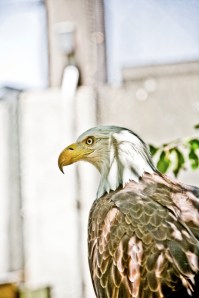

this animal, whose wingspan is longer than i am tall, was in a netted enclosure approximately 10’x10’x20′. talk about a caged bird… but it certainly could have been worse.
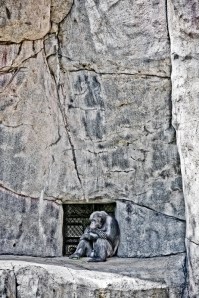
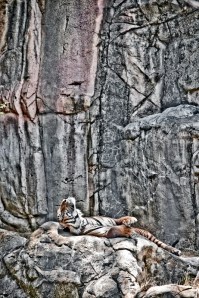
another factor that i guarantee contributed to all the long faces, was the temperature. i was drenched in sweat the entire time as i walked the wide paths inside this enormous facility. it had to have been over 100 degrees fahrenheit on the concrete, so it’s a given that the animals (many with gratuitous amounts of fur, hair, or feathers) were overheating, and desperately trying to keep cool.

please let me know what you think about all of this. what has been your experience at various zoos around the world? america’s zoos would be some of the best and most humane in the world, i imagine. and i know that one justification people have for the continuation of traditional zoos is to create an awareness and love for animals in humans, which is the precise effect zoos had on me. are we justified because of this?
i overheard a woman guiding a tour that day ask a group of children where they think zoos get their animals.
“from the wild,” the children all answered.
she kindly corrected them. apparently, american zoos now almost exclusively acquire their animals from captivity. they encourage captive breeding so that they are not pooling from the wild, therefore in theory, caging animals that are “used” to being caged.
i don’t know what the answers are. and frankly, i feel very strong that there are much more important issues going on today with our own species. however, these questions will eventually need answers. as we move forward in our own evolution, have we surpassed our need for these exotic attractions? are there simply better ways of studying and learning about our animal neighbors?
all images © andrew r. slaton | photographer 2008





 andrew slaton | blog